
Lieferung heute & morgen

Qualitätsgarantie

Willkommens-Angebote freischalten: KOSTENLOSE Lieferung | Bis zu 80 % RABATT | Kostenlose 30-Tage-JoyPlus-Testphase
App herunterladen
As a Joybuy Product Recommendation Specialist, my role is to provide you with clear and objective information so you can make well-informed decisions. In this guide, we'll explore the world of mite vacuum cleaners—specialised devices designed to improve hygiene in mattresses, upholstered furniture, and carpets.
Many people, especially those with allergies, are looking for effective ways to reduce dust mites and their allergenic residue. A conventional vacuum cleaner often isn't enough for this task. We'll explain the key technical features to look for in a mattress cleaner for allergy sufferers and present a selection of devices designed for various applications.
Selecting the right device depends on specific technical features. To understand how they work, here are three central aspects to consider in your decision.
Dust mites use their small claws to cling tightly deep within textile fibres. High suction power alone is often insufficient to remove them effectively. For this reason, many handheld anti-dust mite vacuums are equipped with an additional vibration or patting function. This feature generates high-frequency vibrations that dislodge mites and their excrement from the fibres, allowing them to be vacuumed up. Pay attention to the vibration frequency (often specified in beats per minute), as this is an indicator of the deep-cleaning intensity.
Some models, often referred to as anti-mite vacuums with UV light, use an integrated UV-C lamp. UV-C radiation is a short-wave ultraviolet light that can damage the DNA of microorganisms like bacteria, viruses, and fungal spores, thereby inactivating them. In mite vacuums, this technology is used to disinfect the surfaces of mattresses and upholstery. An important safety feature on a UV-C vacuum cleaner is a sensor that automatically switches off the lamp as soon as the device is lifted from the surface, preventing direct contact with skin or eyes.
What's the use of powerful suction if allergens are just blown back into the room? This is where the filtration system comes in. High-quality mite vacuums use multi-stage filtration systems, often featuring a HEPA (High-Efficiency Particulate Air) filter. A HEPA filter is capable of filtering even microscopic particles like mite droppings, pollen, and fine dust from the exhaust air. For allergy sufferers, such a system is highly recommended as it helps to reduce the concentration of allergens in the air.
Based on the criteria above, we have compiled a selection of products that offer different functions for a more hygienic home.
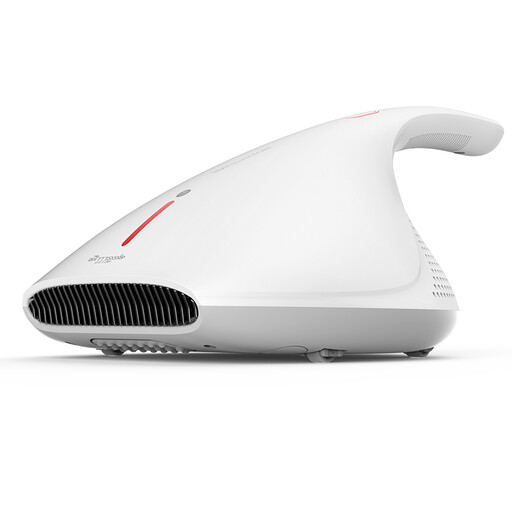
Why it stands out: The Deerma CM800 is a specialised mite vacuum for mattresses that combines multiple cleaning technologies in one device. It was specifically developed for the deep cleaning of beds, sofas, and other upholstered furniture.
The combination of a high-frequency patting function, hot air, UV-C sterilisation, and powerful suction aims to comprehensively combat mites and allergens. According to the manufacturer, the patting function generates 8,000 beats per minute to dislodge particles from fibres. Simultaneously, a stream of hot air heats the surface to approximately 50°C to reduce moisture, making the environment less attractive for mites. The extended UV-C lamp serves to disinfect the surface, while the suction power of 13,000 Pa and the dual-layer HEPA filtration system ensure that dirt and allergens are securely captured in the dustbin.
Pros:
Who it's for: This device is an excellent choice for individuals with dust allergies and for families who value a thorough and hygienic cleaning of their sleeping and living areas. It is specifically designed for use on mattresses, sofas, pillows, and carpets.
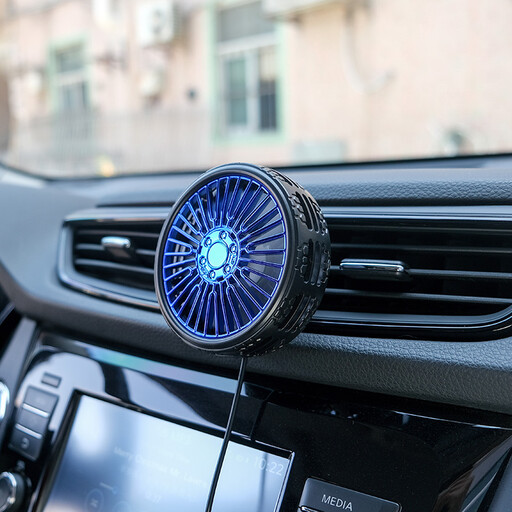
Why it stands out: This product is not a mite vacuum but a compact accessory for improving air quality in small, enclosed spaces like a car. It stands out for its integrated UV light, which can help purify the air inside the vehicle and reduce unpleasant odours.
While a mite vacuum actively removes particles, this device works passively on air quality. It combines a fan with three speed settings with a UV lamp. It is conveniently powered via USB, allowing for use in the car, at a desk, or with a power bank.
Pros:
Who it's for: This device is suitable for drivers or anyone looking for a compact solution for air circulation and improvement in their immediate vicinity, such as in a vehicle or at a workstation. It is not a cleaning device and does not remove mites from textiles.
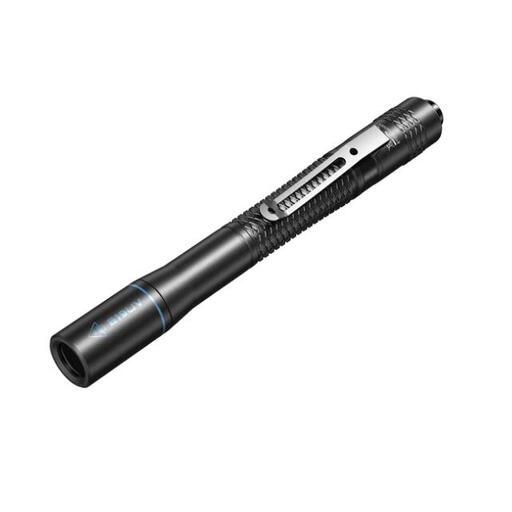
Why it stands out: The WUBEN E19ULV is also not a cleaning device, but rather a specialised tool for inspections. It is a robust and waterproof penlight that emits UV light in addition to normal light. This function can be useful for making certain substances visible that remain unseen under normal light, such as dried pet fluids on carpets or upholstery.
In the context of household hygiene, such a lamp can serve as a preparatory tool to identify soiled areas before the actual cleaning.
Pros:
Who it's for: This product is ideal for pet owners, technicians, or anyone who needs a portable UV light for inspection purposes. It is for detection, not for the removal of contaminants or mites.
UV technology is used in many different products, from air purification to surface disinfection. If you are particularly interested in this topic and want to discover more solutions, you can find a wider selection of devices in our UV Lamp category.
For people with a dust allergy, an initial application of once or twice a week on mattresses and upholstered furniture can be beneficial. To maintain hygiene, an application every one to two weeks is often sufficient later on. For general household hygiene, a monthly deep clean is a good benchmark.
A mite vacuum differs from a conventional vacuum cleaner through several specialised functions. These typically include a vibration or patting function to dislodge mites from fibres, a UV-C lamp for surface disinfection, and an advanced HEPA filtration system specifically designed to securely trap microscopic allergens. A regular vacuum cleaner usually has neither a patting function nor a UV light.
Mite vacuums are designed to remove dust mites and their allergenic excretions—one of the main causes of dust allergies—from textiles. By reducing the allergen load in the immediate living environment, especially in bed, these devices can help create a more comfortable indoor climate for sensitive individuals. They are one component of a comprehensive hygiene strategy but do not replace medical advice or treatment.