What should you look for when buying?
First decide whether you want a nut-based snack or a different type of protein-focused product. Then compare the nutritional information per 100 g and check that the recipe and pack are suitable for your festival visit.
| Criterion |
What to check when buying |
Who it matters to |
| Protein content |
Compare protein and energy per 100 g; assess the “high protein” claim separately from the protein figure in grams. |
If I choose my snack based on its protein content, I want clear nutritional information rather than just a product name. Around 36% of consumers would put the verifiable protein figure first. |
| Portable portion |
Check the pack size and whether the packaging is suitable for carrying; if needed, portion out an amount in advance. |
Between travelling to the festival and the event itself, I only want to take as much as I plan to eat on the go. Around 29% of consumers would prioritise a suitable amount that’s easy to carry. |
| Ingredients and salt |
Compare the order of ingredients and the salt and energy figures per 100 g. |
If I want nuts rather than a bar, it matters to me what the snack is mainly made of and how it’s seasoned. For around 21% of consumers, this would be the main consideration. |
| Allergens and dietary requirements |
Read the ingredients, precautionary allergen information and any dietary labels you need on the current pack. |
If certain ingredients aren’t suitable for me, I need to be able to rule them out before considering anything else. Around 14% of consumers would check suitable ingredients and allergen information first. |
Useful brands to consider
These product ranges show a variety of recipes and snack formats. The brand alone won’t tell you how much protein an individual product contains or whether it meets your dietary requirements.
Seeberger
Nuts and seeds in a range of mixes; the Power Nuss-Mix is relevant to this comparison.
- According to Seeberger, the Power Nuss-Mix contains walnuts, cashews and almonds, as well as 22 g of protein and 0.02 g of salt per 100 g.
- At 638 kcal per 100 g, the energy figure is still important when choosing a portion. The protein figure alone doesn’t qualify it for the regulated “high protein” claim.
ja! / REWE
Roasted and salted peanuts as a peanut-based snack.
- REWE lists 24.4 g of protein per 100 g for ja! roasted and salted peanuts.
- According to REWE, they contain 1 g of salt and 619 kcal per 100 g. If you’re looking for a low-salt option, compare these figures with other recipes.
EDEKA
Two examples of different snack formats: a roasted nut mix and a peanut-flavoured protein bar.
- EDEKA lists 20 g of protein and 0.7 g of salt per 100 g for its Mix Nüsse geröstet und gesalzen.
- According to EDEKA, the Max Balance protein bar contains 50 g of protein per 100 g, but also milk protein, collagen hydrolysate and only 0.9% chopped peanuts. It isn’t the same type of product as a nut mix.
Alesto / Lidl
Lidl describes Alesto as a range of nuts, dried fruit and seasoned party snacks.
- The brand can be a useful starting point if you want to compare plain nuts with seasoned snack options.
- When choosing a specific product, its ingredients and nutritional information on the pack are what matter.
TRADER JOE'S / ALDI Nord
ALDI Nord lists TRADER JOE'S as a brand for nuts and dried fruit, and offers a protein nut mix in several varieties.
- ALDI Nord lists a 150-g bag for its protein nut mix.
- For your preferred variety, compare the nutritional information, ingredients and allergens directly on the pack.
Joybuy products on this topic
This selection features shelled hemp seeds as an alternative for anyone considering ingredients for meals as well as nut snacks. Before the festival, check whether they’re suitable for eating on the go and for the way you plan to carry them.
 No image available
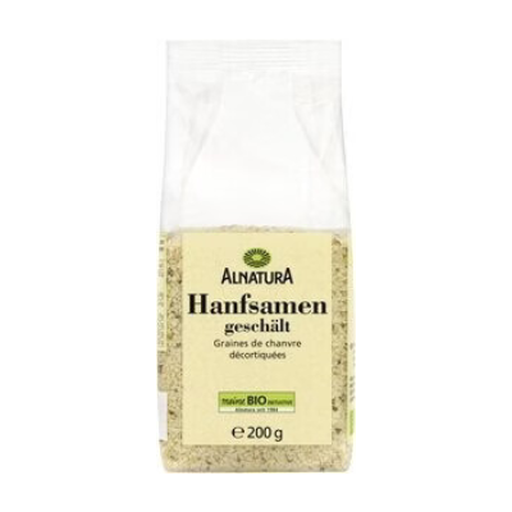
Alnatura Organic Shelled Hemp Seeds, 200 g
Shelled hemp seeds are an option if you’re looking for an ingredient rather than a nut snack. For a festival, check whether the 200-g pack and its intended use fit your plans. Also read the allergen information on the pack.
View on Joybuy
Frequently asked questions
When can a nut snack carry the “high protein” claim?
Under EU Regulation (EC) No 1924/2006, published on EUR-Lex, at least 20% of the energy value must come from protein for this claim to be used. Compare protein and energy per 100 g; the protein figure in grams alone isn’t enough.
Are nuts enough as a snack after exercise?
The protein figure for a nut snack alone isn’t enough to determine whether it’s suitable for recovery after exercise. The German Nutrition Society describes nuts and seeds as foods containing plant protein and unsaturated fatty acids. When choosing a specific snack, also compare its full nutritional information and ingredients.
Can a vegan nut mix still contain allergens?
Yes. Seeberger labels its Power Nuss-Mix as vegan, but it contains walnuts, cashews and almonds. Seeberger also lists possible traces of other tree nuts and peanuts. If you have allergies, always check the information on the current pack.
What should I check on the pack before a street festival?
Check the ingredients, allergens, nutritional information per 100 g, pack size and storage instructions. If you’re taking the snack with you for a long time or transferring it to another container, pay particular attention to the storage instructions for the product you’ve chosen.
Is Solevita a Lidl nut brand?
No. Lidl describes Solevita as a brand for fruit juices and other drinks; for nuts and party snacks, it lists Alesto. The figures on each individual product are what matter when comparing protein content.


