
Lieferung heute & morgen

Qualitätsgarantie

Willkommens-Angebote freischalten: KOSTENLOSE Lieferung | Bis zu 80 % RABATT | Kostenlose 30-Tage-JoyPlus-Testphase
App herunterladen
A mixer should process ingredients quickly and fit seamlessly into your daily kitchen routine. Yet eye-catching wattage figures, large containers or numerous programmes don't automatically lead to the right appliance. What really matters is whether the design, capacity, materials and cleaning requirements match the recipes you actually make.
A high power rating can be helpful for hard ingredients, frozen fruit or ice. On its own, however, it tells you little about the overall result. Blade shape, container geometry, speed control and the maximum operating time all influence performance. A small hand blender with 280 watts, for example, serves a very different purpose to a high-performance blender with a large jug.
The printed container size doesn't always match the usable liquid volume. With the Philips HR2041/00, for instance, 1.9 litres maximum capacity is stated, but the effective volume is 1.0 litres. If you regularly blend for several people, pay attention to both figures and never exceed the MAX marking.
Not every accessory is dishwasher-safe. Often, only the detachable blending shaft or the jug can go in the dishwasher, while the motor unit must only be wiped clean with a damp cloth. A mixer with a glass jug is resistant to odours and staining, but it's heavier and sensitive to extreme temperature changes. Tritan or plastic jugs are usually lighter, but differ in heat resistance and care instructions.
For soft fruits, cooked vegetables or soups, a moderate motor power is often sufficient. Frozen ingredients, nuts or ice place higher demands. Look out for:
The Ninja Professional Blender, for example, offers 1,000 watts, three speed settings and a pulse function. The instruction manual limits continuous operation to one minute. Such guidelines protect the motor and should be followed.
For a single-person household, a compact smoothie blender with 700 millilitres may be sufficient. Families will benefit from a larger countertop blender. Check whether the jug is made of glass, Tritan, SAN plastic or another material, and which parts are dishwasher-safe.
A glass jug is less prone to absorbing odours and stains, but adds weight. The Philips HR3030/00 features a 2-litre glass jug, a pulse and ice-crush function, and detachable, dishwasher-safe parts. Even so, hot liquids should not simply be poured into a cold glass jug. For soups, always follow the manufacturer's instructions.
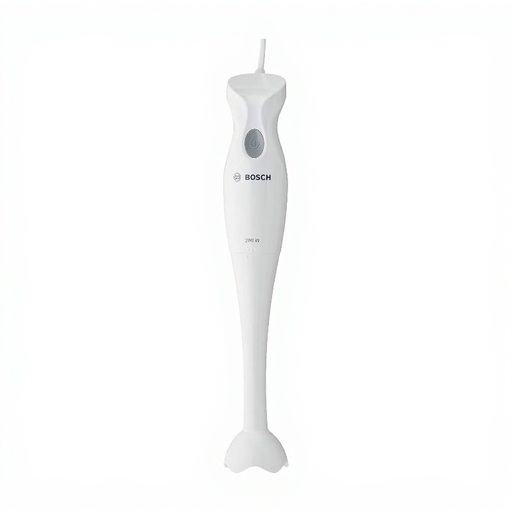
Why this product fits the profile: This lightweight 0.6 kg hand blender is ideal for small portions, soups, purées and simple sauces. The detachable blending shaft is dishwasher-safe according to the product specifications.
Its clear focus on blending and puréeing means you're not paying for rarely used extra programmes. The splash guard helps keep things cleaner during use.
280-watt motor, turbo button, stainless steel double blade and dishwasher-safe blending shaft.
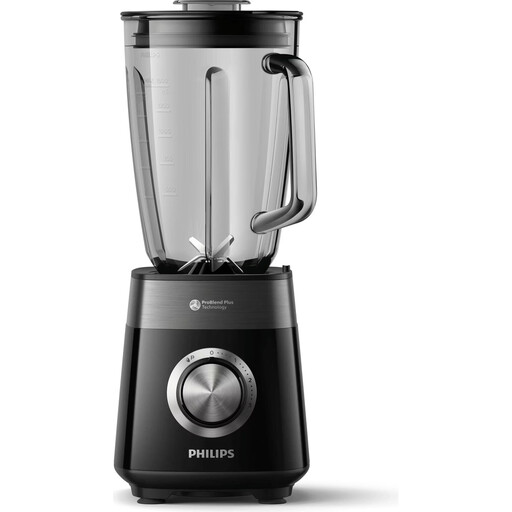
Why this product fits the profile: This countertop blender combines 1,200 watts with a 2-litre glass jug, making it ideal for households that regularly process larger quantities and firmer ingredients.
The stated glass construction and specific maximum fill level make the material and usage limits clear before you buy.
Glass jug, pulse function, ice-crush function and dishwasher-safe detachable parts.
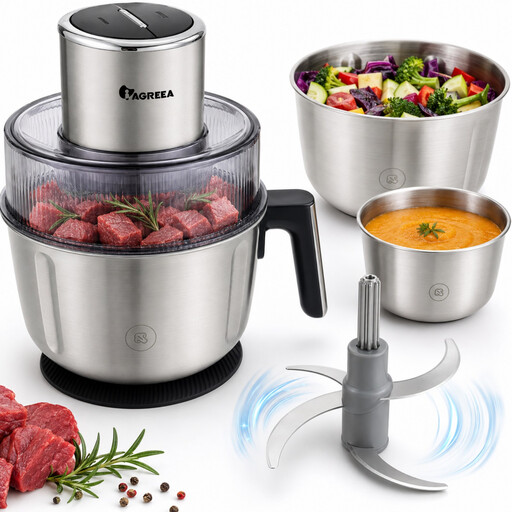
Why this product fits the profile: This chopper is designed for meat, vegetables, fillings, purées and baby food. Three stackable stainless steel bowls support different portion sizes.
The two speed settings and pulse control allow for controlled processing rather than indiscriminate continuous running.
350-watt motor, three 304 stainless steel bowls from 1.8 to 2.5 litres and triple-curved stainless steel blades.
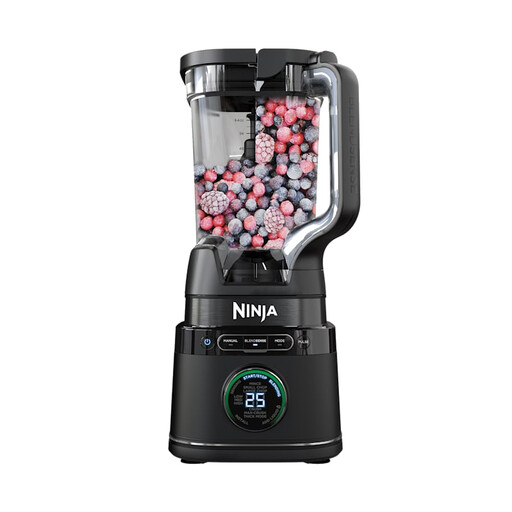
Why this product fits the profile: The large jug is designed for family-sized quantities. Three speeds plus pulse are suitable for smoothies, frozen fruit, ice and salsas with variable consistency.
The product specifications distinguish between 2.1 litres of jug volume and 1.9 litres of maximum liquid capacity. This makes kitchen planning more realistic.
1,000-watt motor, six stainless steel blades, pulse function and dishwasher-safe detachable parts.
We've put together a complete, regularly updated list of products that fully meet these strict selection criteria and the safety regulations in force in the EU.
Before first use, clean all detachable parts and read the instruction manual. Cutting blades are sharp and should only be touched when the appliance is unplugged. The motor unit must not be immersed in water. Hot liquids should only be processed if the manufacturer explicitly allows it. Many appliances warn against blending boiling liquids, as steam can build up pressure inside the jug.
For a long service life, also keep in mind:
A countertop blender with multiple speed settings, a pulse function and sufficient motor power is usually the best choice for smoothies with frozen fruit. For single portions, a compact smoothie blender with a drinking cup may also suffice. What matters most are the manufacturer's specifications regarding frozen ingredients and ice.
That depends on the specific model. Often, a hand blender can be used in warm, but not boiling, food. The Bosch MSM 6B100 instructions recommend letting hot ingredients cool down a little. A splash guard, the immersion depth and a sufficiently tall container all help reduce the risk of splashing.
It's impossible to give a general lifespan. It depends on how often you use it, the ingredients you process, how well you care for it and whether you observe the operating limits. Regular cleaning, short working intervals and avoiding overfilling can reduce the strain on the motor and blades. Before buying, also check whether spare parts and accessories are available.