
Lieferung heute & morgen

Qualitätsgarantie

Willkommens-Angebote freischalten: KOSTENLOSE Lieferung | Bis zu 80 % RABATT | Kostenlose 30-Tage-JoyPlus-Testphase
App herunterladen
A hand blender can purée soups, blend dips, chop vegetables or whisk cream. In many households, one versatile appliance takes the place of several kitchen gadgets. But unclear power ratings, unnecessary accessories and parts that are difficult to clean can easily lead to a disappointing purchase.
Before you buy, don’t just look for a high wattage. What matters is whether the motor, blades, attachments, controls and cleaning requirements suit your day-to-day needs.
A 1000-watt hand blender sounds impressive at first. However, wattage mainly describes the motor’s electrical power consumption. On its own, it doesn’t tell you how evenly the appliance will process ingredients or how long it can run without a break.
Also look at:
A lower-wattage appliance may be perfectly adequate for soups, sauces and soft vegetables. For nuts, frozen fruit or larger quantities, however, the manufacturer’s guidance on the appliance’s capacity is particularly important.
A 4-in-1 hand blender with a whisk, chopper and measuring beaker offers plenty of options. However, each attachment needs extra storage space and must be cleaned after use. So think about whether you’re likely to use all the functions.
For the occasional soup or purée, a basic hand blender is often enough. If you also want to chop herbs, whip cream or make mayonnaise, a multi-function blender could be a good choice.
Not every part can be submerged in water or put in the dishwasher. With most appliances, the motor unit should be cleaned with a damp cloth. Depending on the model, removable blending feet and containers may be dishwasher-safe.
It’s also important to:
When preparing baby food, clean the appliance particularly thoroughly. A hand blender is no substitute for individual advice on feeding babies; follow age recommendations and the guidance of your healthcare professionals.
For simple blending tasks, 280 to 600 watts is often enough. A more powerful hand blender with 800 to 1200 watts may have more capacity for firmer ingredients. However, wattage alone is no guarantee of quality.
Variable speed control or several speed settings make it easier to adjust the appliance to different foods. A turbo function provides a short burst of extra speed, but shouldn’t automatically be used for long periods.
Stainless steel blades are corrosion-resistant and commonly used for food preparation. Four blades can reach ingredients from different directions, but the results also depend on the container’s shape, the amount of food and how you move the appliance.
A splash-proof blending foot helps reduce mess when preparing liquid foods. For hot soups, check that the blending foot and container are approved for the temperature you intend to use.
A blender with a whisk and chopper can handle several different tasks. Common sizes include:
Check whether the chopper is suitable for meat, nuts or ice, or only for soft ingredients. If you’re choosing a hand blender for smoothies, soups and baby food, it should also be easy to clean around the blending foot.
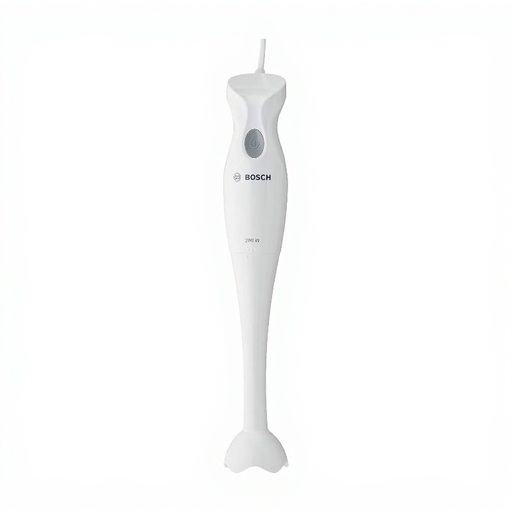
Why this product suits this profile: This compact model focuses on blending, mixing and chopping. Weighing 0.6 kg and featuring a turbo button, it’s well suited to smaller everyday portions.
Its straightforward set of features means first-time buyers don’t pay for attachments they’re unlikely to need. The blending foot is removable and, according to the product information, dishwasher-safe.
280 W motor, two stainless steel blades, splash guard and lightweight design.
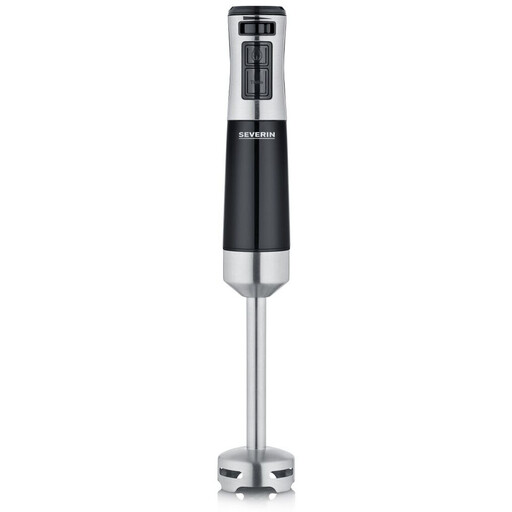
Why this product suits this profile: Variable speed control makes it easier to fine-tune the settings for sauces, soups, dips, purées and drinks.
You’re not limited to a single maximum speed. According to the product information, the removable parts are dishwasher-safe; keep the motor unit dry.
600 W, variable speed control, BPA-free materials and removable blending foot.
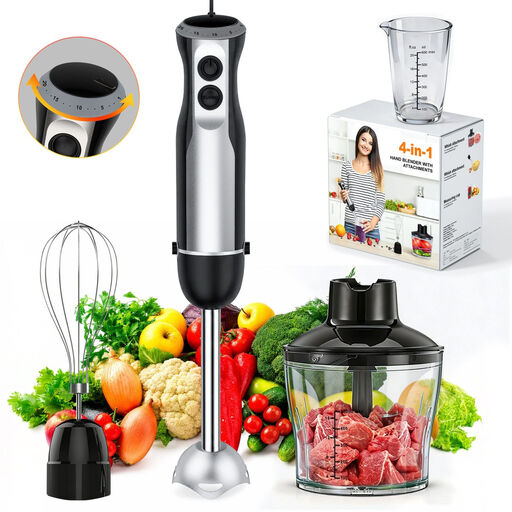
Why this product suits this profile: Families and home cooks get a blending foot, whisk, chopper and measuring beaker in one set. It covers a range of tasks without taking up too much storage space.
The 20 speed settings and separate turbo button give you more control than a simple one- or two-speed appliance. Before buying, consider how much space you have and how you’ll fit cleaning into your routine.
1000 W motor, four stainless steel blades on the blending foot, 500 ml chopper and 600 ml measuring beaker.
We’ve put together a complete, regularly updated list of products that meet these strict selection criteria and comply fully with the safety regulations in force in the EU.
For soups, sauces and soft vegetables, 280 to 600 watts may be enough. If you regularly process frozen fruit, nuts or firm vegetables, also consider the blade design, operating time and manufacturer’s guidance. A 1000-watt appliance offers more power in reserve, but isn’t automatically necessary for every use.
That depends on the manufacturer’s guidance. Hot liquids can splash and cause scalds. Use a suitably deep container, keep the blending foot fully submerged and observe the permitted temperature and maximum fill level.
Its lifespan depends on how often you use it, the ingredients you process, how you clean it and whether you follow the recommended break times. Overloading the appliance, running it dry and processing hard ingredients for long periods can put extra strain on the motor or blades. A removable unit designed for easy care makes regular cleaning simpler and can make everyday use more convenient.