
Lieferung heute & morgen

Qualitätsgarantie

Willkommens-Angebote freischalten: KOSTENLOSE Lieferung | Bis zu 80 % RABATT | Kostenlose 30-Tage-JoyPlus-Testphase
App herunterladen
A scratched smartphone screen can affect both usability and resale value. When searching for a suitable mobile phone screen protector, product claims such as "9H", "360° protection" or "bubble-free installation" may seem straightforward at first. However, they don't always describe what you can actually expect in everyday use.
What really matters is whether the protector fits your specific model, how it's applied, and what limitations the material brings. This applies just as much to an iPhone screen protector as it does to a Samsung screen protector.
A screen protector for the iPhone 16 won't automatically fit the iPhone 16 Pro or iPhone 16 Plus. The same goes for the iPhone 17, where dimensions vary depending on the variant. The same is true for Samsung Galaxy: a protector for the Galaxy S25 is not suitable for the Galaxy S25+ or any other Galaxy model.
Before buying, always check the full model name in your phone's settings, on the packaging, or in the technical specifications.
The term 9H tempered glass refers to a standardised scratch hardness test, not a guarantee of protection against every drop. Even a scratch-resistant screen protector can be damaged by a direct impact. It provides an extra protective layer, but it doesn't make the display unbreakable.
With multi-layer protectors, you may see claims of reinforcement "up to 700%". Such figures should be understood as the manufacturer's statement about their particular product technology. They are not a universal benchmark for comparing all screen protectors.
A privacy screen protector can restrict sideways viewing of the screen. This is handy for commuters and professionals on trains, in cafés or at the office. However, depending on the viewing angle and the specific design, the display may appear darker. For photo, video or navigation use, a transparent protector is often more comfortable.
Look for the exact model name and check whether the protector is described as a case-friendly screen protector. A protector that extends too close to the edge of the display can be lifted by a smartphone case. Details about camera cut-outs, speaker openings and edge coverage will help you choose.
No single material type is equally suitable for all usage situations. Glass offers a different feel to TPU, while flexible films can be less brittle during installation.
An oleophobic coating is said to reduce the adhesion of fingerprints and skin oils. Hydrophobic properties relate to how the surface handles moisture. These coatings need careful cleaning: use a soft cloth and avoid abrasive products or solvents, unless the manufacturer advises otherwise.
For a bubble-free installation, a dust-free workspace, a cleaning cloth and a dust remover are essential. Self-adhesive films or included applicators can help with alignment. A film that has already been removed should generally not be reapplied, as the adhesive strength and cleanliness of the underside may be compromised.
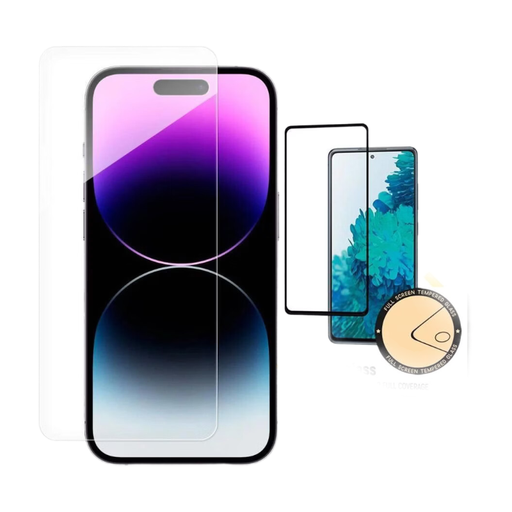
Why this product fits the profile: The transparent TPU nano film is designed for the Samsung Galaxy S25 and comes with cleaning cloths, a dust remover and a mounting card.
The model compatibility is clearly stated; additionally, the installation is described as adhesive-free with reduced bubble formation.
TPU nano material, transparent finish and mounting accessories included.
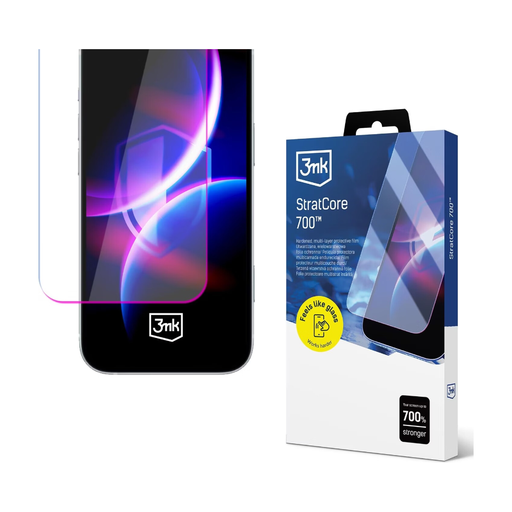
Why this product fits the profile: The multi-layer, 0.40 mm thick film is transparent and is described as having an oleophobic and hydrophobic layer, case compatibility and sensor support.
The technical specifications explicitly state the material type, thickness, model and care instructions, rather than just advertising with general protection terms.
0.40 mm multi-layer construction, 7H hardness rating and designated case-friendliness.
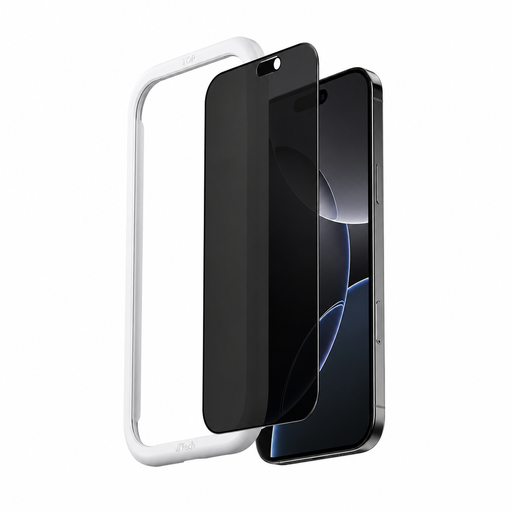
Why this product fits the profile: The 9H glass protector is designed for the iPhone 16 Pro screen and, with its side-darkening feature, is aimed at people who frequently use their smartphone in public spaces.
The privacy protection is clearly stated as a specific function. At the same time, the limitations compared to a transparent protector when viewing from the side should be noted.
9H tempered glass, hydrophobic and oleophobic coating, plus privacy function for commuting and office environments.
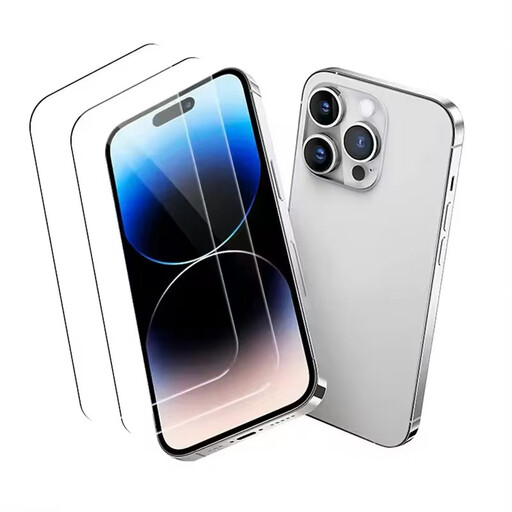
Why this product fits the profile: The transparent glass protector comes with an applicator and instructions, and is described as suitable for use with smartphone cases.
The product details specify the exact iPhone model, the 9H hardness and the mounting accessories. This allows you to check compatibility and installation effort before buying.
9H glass, high light transmission, fingerprint-resistant coating and included applicator.
We've put together a full, regularly updated list of products that fully meet these strict selection criteria and the safety regulations in force in the EU.
With a flexible TPU film, the surface may feel different after installation compared to glass. Also check after fitting whether your case exerts any pressure on the edges.
The lifespan depends on usage, cleaning, coating and any drops. Replace the protector when it becomes heavily scratched, starts to lift at the edges, or develops cracks. A damaged screen protector should not be reused.
Tempered glass offers a firm, smooth surface and is often sold with a 9H hardness rating. TPU film is more flexible and can be interesting for certain display shapes or for easier installation. What matters most is model fit, case compatibility and your preferred feel.
Yes, it can reduce sideways visibility of messages or passwords. However, visibility depends on the viewing angle, brightness and the specific design. If you frequently look at photos, videos or map content, you should weigh up the potential darkening compared to a transparent screen protector.