
Lieferung heute & morgen

Qualitätsgarantie

Willkommens-Angebote freischalten: KOSTENLOSE Lieferung | Bis zu 80 % RABATT | Kostenlose 30-Tage-JoyPlus-Testphase
App herunterladen
By the Joybuy Product Recommendation Officer, August 28, 2026
A reliable mobile power supply is no longer a luxury, but a necessity—whether for camping, on a construction site, as an emergency backup at home, or for the daily charging of an electric vehicle. However, the market is flooded with products featuring exaggerated marketing claims and technical specs that confuse more than they clarify. Making the wrong choice not only leads to wasted money but, in the worst-case scenario, can damage your devices or pose serious safety risks.
This guide will help you identify the most common pitfalls and understand the key parameters for making the right choice.
Before you invest, you should be wary of three common issues that often lead to disappointment:
To avoid a bad purchase, focus on these three core technical aspects. They determine the functionality, safety, and longevity of your investment.
The most important question is: What do you want to power? Add up the power consumption (in watts) of all the devices you plan to use simultaneously. This total should not exceed the inverter's rated power. Plan for a buffer of about 20%. Appliances with electric motors (e.g., refrigerators, pumps, power tools) require a high starting power. This is where peak power is relevant, which the inverter must provide for a short time.
As mentioned earlier, the type of AC voltage produced is crucial.
Pay attention to the correct connectors and certified safety.
Here are some product recommendations tailored to specific use cases that meet the criteria mentioned above.
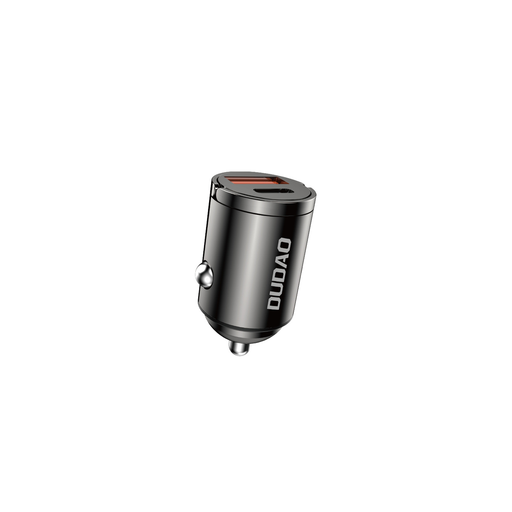
Why This Fits Their Persona: Ideal for people who need to quickly and reliably charge their smartphone, tablet, or other USB devices in the car. Its compact design and compatibility with both 12V and 24V sockets make it universally suitable for cars and trucks.
This charger avoids the trap of incompatible or slow chargers by supporting the modern fast-charging standards Power Delivery (PD) and Quick Charge (QC). The 48W power rating is clearly defined and designed for current devices.
Features both a USB-C and a USB-A port for maximum compatibility. The robust metal housing ensures good heat dissipation and durability.
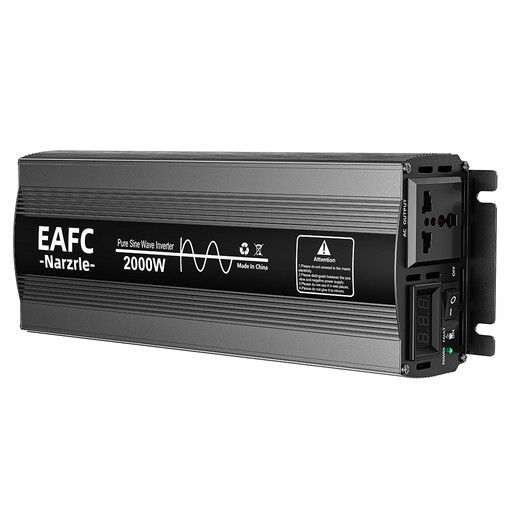
Why This Fits Their Persona: Perfect for use in an RV, while camping, or on a boat. It converts 12V battery power into stable 220V AC power, allowing you to run household appliances like laptops, small refrigerators, or tools far from the grid.
This unit is a pure sine wave inverter, thus protecting sensitive electronics from damage. Furthermore, the rated power (1000W) and peak power (2000W) are clearly stated, allowing for realistic energy planning.
Comprehensive protection features (overload, overheat, short circuit, etc.) and a digital display for monitoring input voltage and status ensure safe operation.
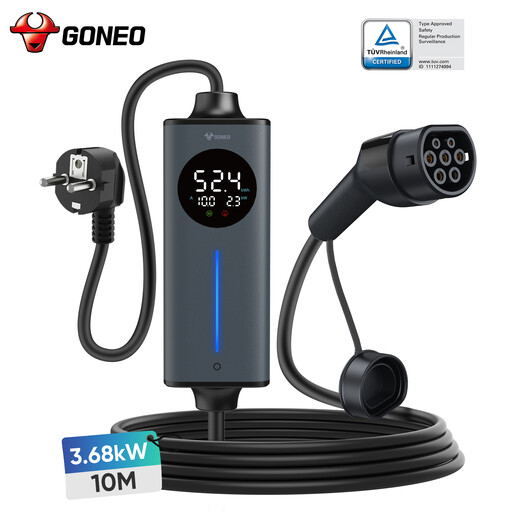
Why This Fits Their Persona: For EV drivers who need a flexible charging solution for home or on the go, without relying on a permanently installed wallbox. The 10-meter cable length offers great reach, for example, in underground garages or while traveling.
This charging cable avoids the safety trap with an integrated RCD protection (30mA AC + 6mA DC), which protects both people and the vehicle. It features all relevant protection mechanisms and is CE/CB/RoHS certified.
The timer function allows for scheduled charging to take advantage of cheaper off-peak electricity rates. The LED display shows all relevant charging data in real-time.
We have compiled a complete, up-to-date list of products that fully meet these strict selection criteria and German safety regulations.
1. How many watts does my power inverter need? To determine the required rated power, add up the wattage ratings of all devices you intend to run simultaneously. You can find this information on the nameplate or in the user manual of each device. It is recommended to plan for a power reserve of at least 20% to avoid overloads. For devices with motors, the inverter's peak power must be able to handle their starting current.
2. Can I use a portable EV charging cable with any outlet? In principle, yes, as long as it is a standard and correctly installed Schuko household socket. However, it is crucial that the socket and the associated home wiring are in perfect condition and rated for a continuous load of up to 16A. Do not use extension cords or power strips. A charging cable with integrated RCD protection is essential for safe operation.
3. What is the difference between a pure sine wave and a modified sine wave inverter? An inverter with a pure sine wave produces a smooth, clean AC voltage that matches the quality of the public power grid. It is safe for all types of electrical appliances. An inverter with a modified sine wave generates a stepped, blocky voltage. This is cheaper to manufacture but can cause interference, humming, or even permanent damage to sensitive electronics (laptops, power adapters, medical equipment).