
Lieferung heute & morgen

Qualitätsgarantie

Willkommens-Angebote freischalten: KOSTENLOSE Lieferung | Bis zu 80 % RABATT | Kostenlose 30-Tage-JoyPlus-Testphase
App herunterladen
Whether it’s getting to a medical appointment, transferring from bed to wheelchair or working from home, mobility aids for older people need to suit the user’s physical needs, home environment and intended use. A low price alone says little about how practical a product will be day to day. What matters is reliable product information, suitable dimensions and controls that the user and their carers can understand and operate safely.
A stated maximum load is a technical guideline, not a guarantee that a product will be suitable in every situation. With a wheelchair, you also need to consider the seat width and height, centre of gravity, brakes and the surface it will be used on. For a transfer aid, the base, wheel position and whether the wheels can be locked are all important.
A lightweight wheelchair for older people may be easier to transport. However, a narrow seat or low backrest can affect comfort. Before buying, compare the seat width, seat depth and seat height with the user’s height and the clothes they’ll be wearing.
A folding transport wheelchair takes up less storage space when folded. Even so, check that its folded dimensions will fit in your car boot, hallway or existing cupboard. A wheelchair with a carry bag is particularly handy if you regularly take it in the car or on trips. For longer distances or uneven ground, however, smaller wheels may be less suitable than larger ones.
These measurements are particularly important when choosing a wheelchair:
A compact, portable model is often suitable for short journeys, transfers and travel. For regular daily use, also check whether the padding, backrest and foot position meet the user’s needs.
The maximum load capacity needs to cover the user’s weight, including clothing and any items they may be carrying. With a transfer aid, also bear in mind that dynamic forces can occur during a transfer. Details such as aluminium alloy, steel frame or a stated wall thickness describe the materials, but don’t replace the need to read the instructions.
A transfer aid with wheels should have lockable wheels, if this is specified by the manufacturer. When using it, make sure the surface is level, there’s enough room to move, and all safety locks are properly secured. A standing aid or transfer aid for someone who needs care should only be used as instructed. If you’re unsure, ask a care professional or another qualified adviser.
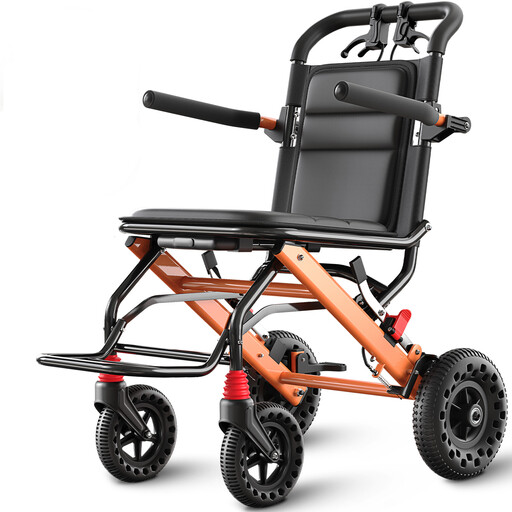
Why it suits this user: Weighing 8.6 kg, this folding model comes with a storage bag and is designed for short journeys, travel and occasional transport.
The 40 cm seat width, 40 cm seat depth and stated folded dimensions let you make your choice based on specific measurements, rather than relying on a vague claim that it’s “compact”.
Listed features include an aluminium alloy frame, a maximum load capacity of 110 kg, 6-inch front wheels, 8-inch rear wheels and a carry bag.
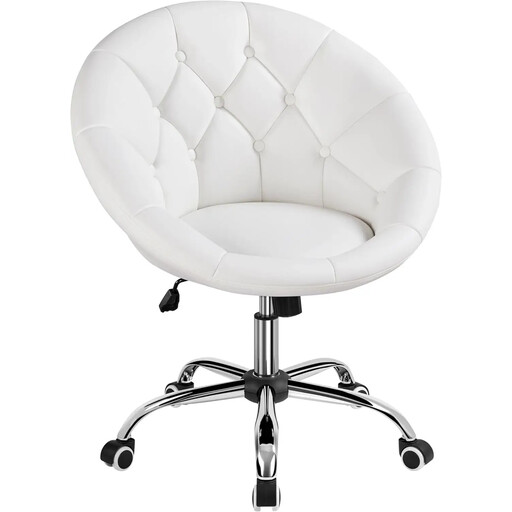
Why it suits this user: Designed as an ergonomic office chair for working from home, this model has a height-adjustable seat and a padded seat shell for your workspace.
The seat height is listed as 37 to 47 cm. You can compare it with your desk height instead of relying on the word “ergonomic” alone.
Listed features include a load capacity of 125 kg, a height-adjustable seat, castors, a metal frame and SGS certification, report number SDHL241202405001FT.
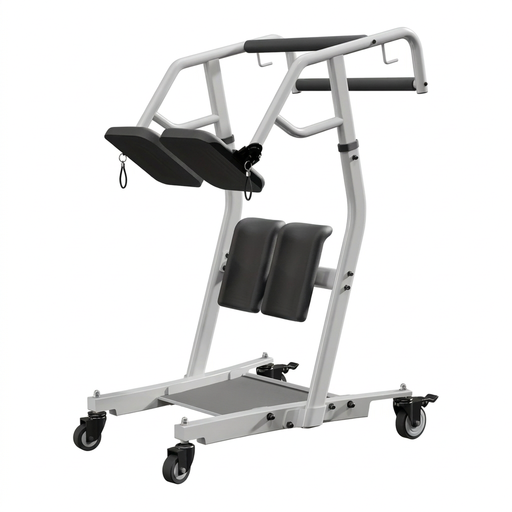
Why it suits this user: This standing transfer aid is designed for homes and care settings where transfers and short changes of position need to be carried out regularly.
The specifications include the base length, width, wheel sizes and a 180-degree rotation of the seat cushion. This helps you check whether the device will fit the available space and suit your transfer routine.
Listed features include a load capacity of 180 kg, two lockable rear wheels, a folding seat and a total weight of 30 kg.
We’ve put together a complete, regularly updated list of products that meet these strict selection criteria and the safety requirements in force across the EU.
Before buying mobility aids for older people, make a note of the following:
A walking aid for older people, a standing aid or a transfer chair for older people shouldn’t be chosen based on pictures alone. If the user has limited strength, problems with balance or feels unsure about transferring, it’s a good idea to seek individual advice. The products mentioned are not a substitute for medical or care assessments.
A lightweight folding wheelchair with stated folded dimensions and a low overall weight is usually easier to store. Check the boot opening, storage depth and weight beforehand. A carry bag can make transport and storage easier.
Check that it suits the size of the room, has an adequate load capacity, lockable wheels and easy-to-understand controls. It should only be used on suitable, level surfaces and in accordance with the instructions. The person being transferred must be properly secured throughout.
Lifespan depends on how often the aid is used, the user’s weight, the surface, cleaning and maintenance. Regularly checking the wheels, brakes, screw connections and padding can help you spot wear early. If the product is damaged, stop using it until the issue has been assessed.