
Lieferung heute & morgen

Qualitätsgarantie

Willkommens-Angebote freischalten: KOSTENLOSE Lieferung | Bis zu 80 % RABATT | Kostenlose 30-Tage-JoyPlus-Testphase
App herunterladen
The search for authentic Asian desserts leads many to a unique speciality: mochi ice cream. These small spheres of chewy rice cake, filled with creamy ice cream, are more than just a trend. They are a staple of Japanese dessert culture. However, those looking to buy mochi ice cream are often faced with a vast selection of brands, flavours, and countries of origin. This article serves as a guide to simplify your choice and introduce you to some noteworthy products.
To make an informed decision, it helps to be familiar with a few basic criteria. These features can help you assess the quality and character of different mochi ice cream varieties.
The heart of every mochi is the dough, made from glutinous rice flour (mochigome). The quality of this dough determines the characteristic soft and chewy texture. A look at the ingredients list can be revealing. Products that list glutinous rice flour high on the list often adhere more closely to the traditional recipe. After thawing for a few minutes at room temperature, the texture should be soft and elastic, without feeling sticky or too firm.
While the outer shell is traditionally subtle in flavour, the ice cream filling offers a wide range of aromas. Classic Japanese flavours include matcha ice cream, black sesame (Kuro Goma), and red adzuki bean (Anko). Alongside these, there is a growing number of more modern variations like mango, chocolate, or vanilla. Your personal preference is key here. If you are seeking an authentic Japanese ice cream experience, the traditional varieties are an excellent choice.
Mochi ice cream is just one of many types of Asian desserts. Besides the classic Japanese rice cakes, there are also Korean specialities like Samanco ice cream, a fish-shaped ice cream sandwich. The choice between these options depends on whether you prefer the specific texture of mochi or are open to other frozen sweets from Asia. If you are specifically looking to order rice cake ice cream online, pay attention to the product name to ensure it is genuine mochi.
Here is a selection of products that cater to different tastes and preferences. Each product is presented with its specific characteristics.

Koyuki Japanese Mochi Ice Cream Black Sesame 180g (30g × 6 pieces)
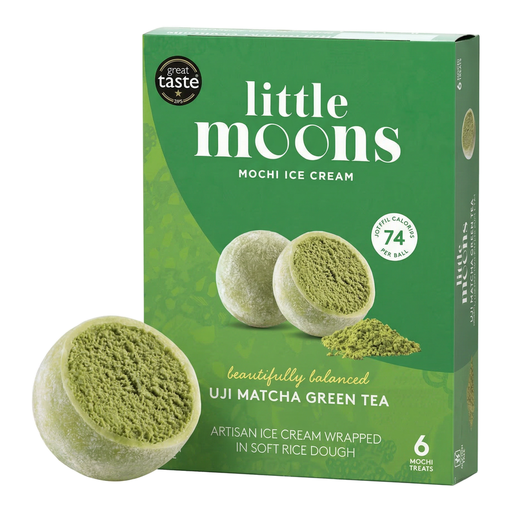
Little Moons Uji Matcha Green Tea Mochi Ice Cream 192g
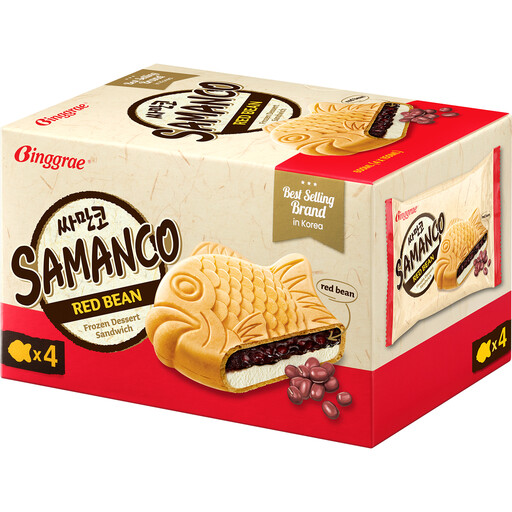
Binggrae Samanco Ice Cream Sandwich Red Bean 4pcs
The world of frozen desserts is vast and diverse. If the products presented here don't quite match your taste, or if you're simply curious about other varieties, there is more to discover.
→ Discover our entire selection of ice cream here
Mochi ice cream is a Japanese dessert. It consists of a small ball of ice cream wrapped in a thin layer of mochi. Mochi is a rice cake made from pounded glutinous rice, which gives it a soft, chewy consistency.
Specialised online supermarkets for Asian foods, like Joybuy, offer a selection of mochi ice cream and other frozen desserts. The advantage of choosing to order rice cake ice cream online is the convenient delivery directly to your home, with an uninterrupted cold chain being ensured.
For the best taste experience, it is recommended to let the mochi ice cream rest at room temperature for about 3 to 5 minutes after taking it out of the freezer. This allows the rice dough to become soft and elastic while the ice cream core remains frozen. This creates the characteristic contrast of textures.