
Lieferung heute & morgen

Qualitätsgarantie

Willkommens-Angebote freischalten: KOSTENLOSE Lieferung | Bis zu 80 % RABATT | Kostenlose 30-Tage-JoyPlus-Testphase
App herunterladen
Mochi ice cream combines creamy ice cream with an elastic coating made from glutinous rice flour. The individual pieces are usually portioned and sold frozen. However, if you want to buy Japanese mochi ice cream online, you should not base your decision solely on the flavour or brand name. Ingredients, allergens, portion size and correct storage all affect whether a mochi ice cream suits your needs.
The term Japanese dessert often describes the type of product or the recipe concept. However, the specific product may be made in another country. For example, according to the product information, Koyuki Vanilla is made in Vietnam, while several Little Moons varieties come from the United Kingdom. If the country of origin matters to you, check the “Country of Origin” information on the product page or packaging.
A mochi may have a plant-based coating while the filling contains milk. Conversely, vegan varieties may contain soya, cashew nuts or other nuts. You should therefore always read the full labelling. According to the ingredient information, the Little Moons Yuzu & Lemon featured here contains no declarable allergens. The Passion Fruit & Mango variety is vegan, but contains cashew and soya, and may contain milk, other nuts and peanuts.
“Gluten-free mochi ice cream” also does not mean “allergen-free”. A product may contain gluten-free biscuit ingredients and still contain milk or soya.
Straight from the freezer, the rice cake coating is firm and may tear when you bite into it. Many products recommend leaving the frozen mochi for around three to five minutes at room temperature. If you allow them to thaw for too long, the coating may become soft and sticky and the filling may start to melt. Cheesecake-filled products may come with additional instructions: after thawing, they should be stored in the fridge and eaten within one day.
A common pack size is six pieces weighing 30 or 32 grams each. Koyuki Japanese Mochi Ice Cream Coconut Flavour contains 180 grams, divided into six 30-gram pieces. Many Little Moons products contain 192 grams, or six pieces weighing 32 grams each. Small portions are ideal for individual desserts or sharing, without having to open a larger quantity of ice cream.
Cheesecake varieties often come in packs of four pieces weighing 30 grams each. This is worth considering if several people want to try them or if you plan to combine different flavours.
The selection ranges from classic varieties such as vanilla mochi ice cream and chocolate to strawberry, mango, matcha, pistachio, coconut and yuzu. The ingredients list shows how the flavour is achieved:
Mochi ice cream requires an uninterrupted cold chain. The products mentioned should generally be stored at −18 °C or below. Once thawed, they must not be refrozen. When buying online, make sure that suitable frozen delivery is available and that you have enough space in your freezer.
After opening, the pack should be resealed to reduce freezer burn and unnecessary moisture absorption. According to the product information, the best-before date is shown on the packaging.
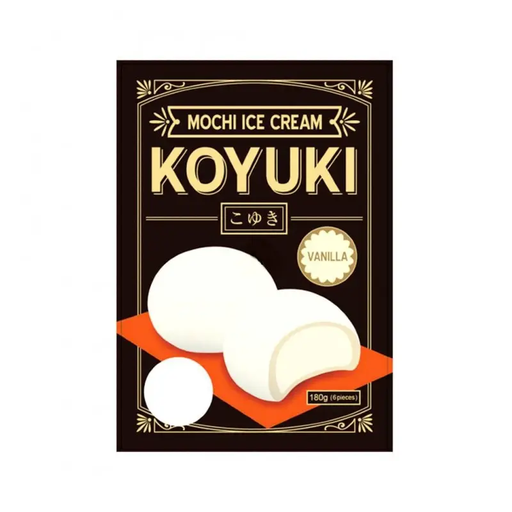
Why this product suits this profile: The classic vanilla flavour in six individually portioned pieces is an approachable introduction to rice cake ice cream, without the need to buy a large pack.
The pack size and milk information are clearly stated. This makes it easy to check before buying whether the variety is suitable for your household.
180 g total quantity, six pieces, milk listed as an allergen, and recommended storage at −18 °C or below.
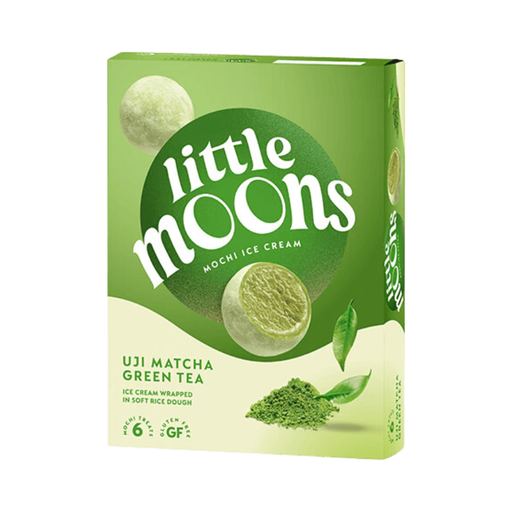
Why this product suits this profile: The product information identifies Uji matcha from Japan as a flavour ingredient, making it a good choice for anyone looking for a distinctive tea profile.
The ingredients list specifies a matcha content of two per cent, as well as milk and soya as allergens; possible traces of nuts, peanuts and sesame are also stated.
192 g pack contents, six 32 g portions and 73 kcal per piece according to the nutritional information.
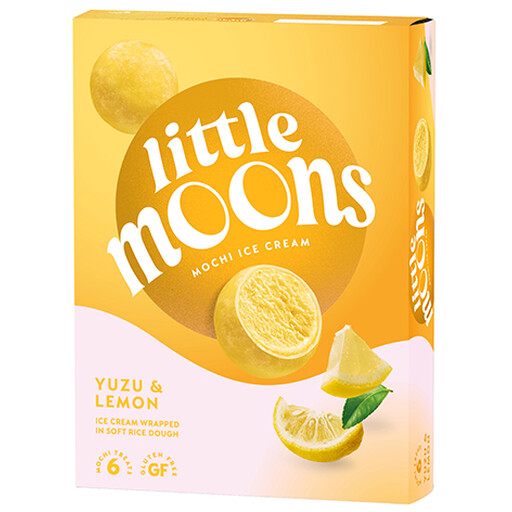
Why this product suits this profile: The vegan recipe with coconut cream, yuzu and lemon juice is ideal for households looking for a fruity, plant-based alternative.
The ingredient information lists no allergens. However, if you have allergies, you should still check the current labelling on the packaging.
Six pieces weighing 32 g each, 229 kcal per 100 g and a filling based on coconut cream.
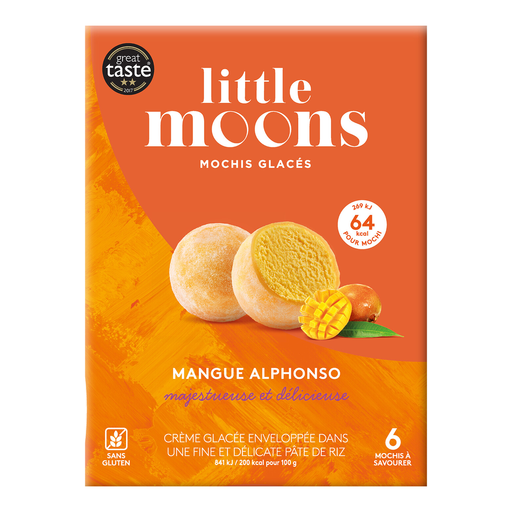
Why this product suits this profile: The fruity mango variety comes in six individual portions, making it easy to share or enjoy as needed.
The ingredients list specifies 20 per cent mango purée and identifies milk and soya as allergens. This makes the choice easier to assess before buying.
192 g total quantity, six 32 g portions and 200 kcal per 100 g according to the product information.
We have put together a complete, regularly updated list of products that fully meet these strict selection criteria and the safety regulations applicable in the EU.
Depending on the product, three to five minutes at room temperature is usually sufficient. The coating should be soft and pliable, while the ice cream inside remains frozen. Always follow the specific manufacturer’s instructions on the packaging.
When stored continuously at at least −18 °C, the printed best-before date applies. Once thawed, mochi ice cream must not be refrozen. Cheesecake varieties often need to be refrigerated after thawing and eaten within one day.
It depends on the variety. Some Little Moons products are described as gluten-free but contain milk or soya. Vegan mochi ice cream such as Yuzu & Lemon, Chocolate Fudge or Passion Fruit & Mango may still contain soya, cashew or other possible traces. You should therefore check the ingredients list and allergen information before every purchase.