
Lieferung heute & morgen

Qualitätsgarantie

Willkommens-Angebote freischalten: KOSTENLOSE Lieferung | Bis zu 80 % RABATT | Kostenlose 30-Tage-JoyPlus-Testphase
App herunterladen
The search for the perfect model car can quickly become overwhelming. Whether you need a durable toy car for kids or a highly detailed collector's car for a display case, the market is flooded with models whose quality and suitability are hard to judge at first glance. Many buyers invest in what seems like a bargain, only to find the model doesn't meet their expectations.
This guide will help you avoid common pitfalls. We'll show you the crucial features to look for to make an informed decision—whether you're looking for a gift for car enthusiasts or expanding your own collection.
Before you make a decision, you should be aware of the most common issues that can lead to disappointment.
To avoid these mistakes, focus on three objective criteria. These will help you correctly assess the quality and purpose of a model car.
The scale indicates the size ratio of the model to the original vehicle. It is the most important indicator of its actual size and potential level of detail.
Always check the specified scale before purchasing to ensure the model's size meets your expectations.
The durability of a model car depends directly on the materials used. A high-quality diecast car is distinguished by a high proportion of metal (usually a zinc alloy).
For collectors and enthusiasts, authenticity is key. For children, functional elements enhance the fun of playing.
Here are some recommendations tailored to different needs and user profiles.
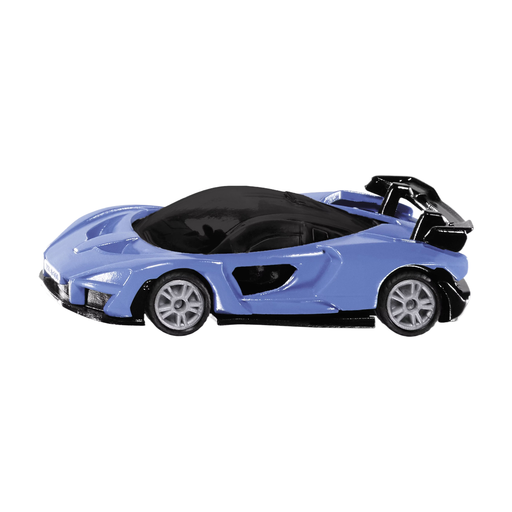
Why This Fits Their Persona: Ideal for parents looking for a durable and safe toy car. Siku is an established brand known for its robust construction, a trusted name in children's rooms for generations.
The combination of a metal body and plastic parts is designed for durability during play, thus avoiding the pitfall of fragile materials. The clear scale prevents surprises regarding its size.
Robust construction with metal and plastic; rubber tires for good rolling performance.

Why This Fits Their Persona: Perfect for teens or adults starting their collection. This Lamborghini model in 1:36 scale offers a great entry point into the world of more detailed collector cars without breaking the bank.
It delivers exactly the promised collector features, like opening doors and a detailed shape, thereby avoiding the trap of a model with low detail fidelity.
Good balance of detail (opening doors) and an interactive element (pull-back action).
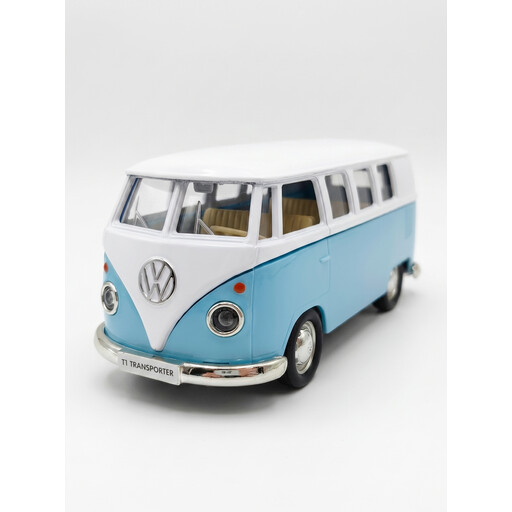
Why This Fits Their Persona: For fans of iconic vehicles and nostalgia. This VW model car of the T1 bus is a timeless classic, making it an excellent decorative piece or a special gift for car enthusiasts.
The model focuses on the authentic reproduction of an automotive icon. It meets the expectations of enthusiasts looking for a specific, recognizable design.
Iconic, licensed design; robust metal body with opening doors.
We have compiled a complete, up-to-date list of products that fully meet these strict selection criteria and rigorous safety standards.
It depends on the intended use. For children to play with, the 1:64 scale (approx. 7-8 cm) is ideal, as the cars are durable and easy to handle. For collectors who value detail, larger scales like 1:43, 1:36, or 1:24 are a great choice. These models often offer more features, such as opening doors and more detailed interiors.
"Diecast" refers to the die-casting process, where molten metal (usually a zinc alloy) is forced into a mold. A diecast car typically has a metal body, making it heavier and feel more premium than a pure plastic model. However, the proportion of plastic parts (e.g., for the chassis, windows, or interior) can vary greatly.
Most manufacturers provide an age recommendation. Collector's models are often not suitable for children under 14, as they may contain small, delicate parts that can be swallowed. For younger children (ages 3 and up), you should specifically look for models designated as toy cars from brands like Siku or Majorette. These are typically built more robustly, have rounded edges, and avoid easily breakable parts. Always pay attention to the manufacturer's warnings on the packaging.