
Lieferung heute & morgen

Qualitätsgarantie

Willkommens-Angebote freischalten: KOSTENLOSE Lieferung | Bis zu 80 % RABATT | Kostenlose 30-Tage-JoyPlus-Testphase
App herunterladen
The selection of model cars is vast, ranging from simple toy cars for children to highly detailed collector's items and technically sophisticated RC vehicles. However, behind the shiny paint jobs and lofty product descriptions often lie pitfalls that lead to disappointment and unnecessary expense. As your Joybuy Product Recommendation Officer, I'll help you separate the wheat from the chaff and make an informed decision.
Before you choose a model, you should be aware of the three most common sources of error:
To avoid these problems, it's important to focus on the essential, objective product features.
Instead of being guided by marketing promises, you should check three decisive criteria. These will help you correctly assess the quality and purpose of a model car.
The choice of material is a direct indicator of durability and value.
The scale indicates the size ratio of the model to the original vehicle and is a key criterion for collectible car models.
The functionality largely determines the intended use.
To make your decision easier, we have selected models for three typical user profiles.
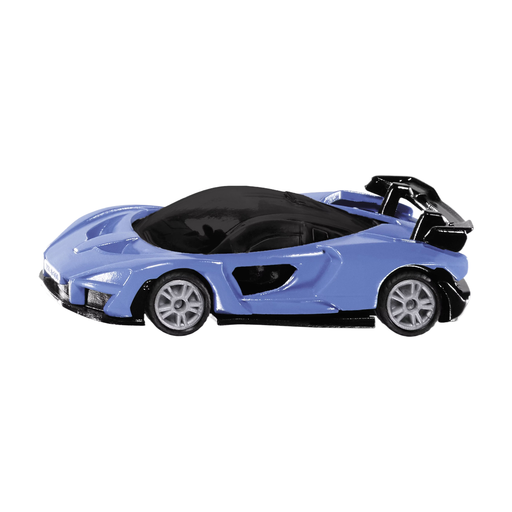
Why This Fits Their Persona: Ideal for children aged 3 and up who want a durable and recognizable toy car. The Siku brand is synonymous in Germany with long-lasting toy models that can be passed down through generations.
The metal body and sturdy plastic chassis avoid the pitfall of inferior, brittle materials. This model is designed for active play.
High play value thanks to rubber tires with excellent rolling properties. Compact size, ideal for taking on the go. Beginner-friendly and collectible.
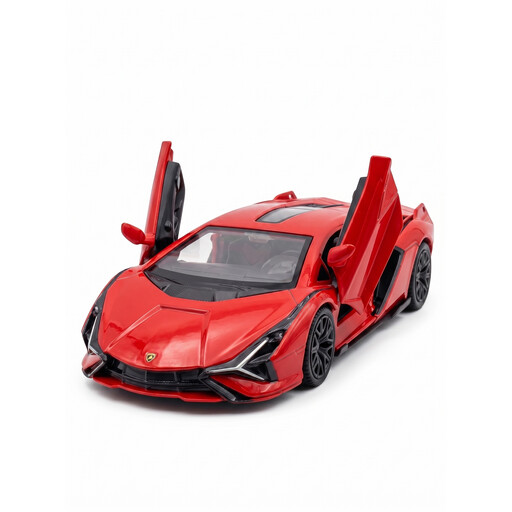
Why This Fits Their Persona: Perfect for teens (recommended age 14+) and adults looking for a model with a higher level of detail. It bridges the gap between a toy and a display piece.
This model escapes the trap of vague detail claims with a clear, verifiable feature: opening doors. This is a significant added value compared to simpler models.
Durable die-cast metal body in the 1:36 collector's scale. The additional pull-back function offers interactive fun.
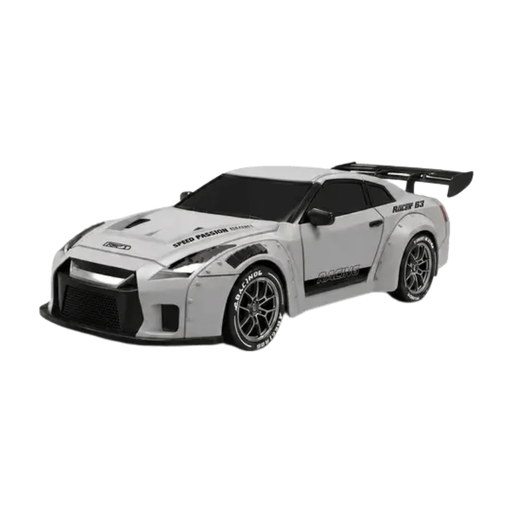
Why This Fits Their Persona: For anyone looking for more than just a basic remote-controlled car. This model is aimed at hobbyists who value technical features, control, and performance.
It avoids the hidden cost trap by being delivered as a complete set. The rechargeable 7.4V Lithium-Polymer battery and USB charger are already included.
Extensive features: 4WD all-wheel drive, an adjustable gyroscope for driving stability, two sets of tires (drift and racing), and remote-controlled LED lights.
We've curated a complete, up-to-date list of products that fully meet these strict selection criteria.
1. What should I look for in model cars for children under 3? For children under 3, safety is the top priority. Look for models without small, swallowable parts. Many manufacturers, like Siku, explicitly label their products with a warning "Not suitable for children under 3 years" due to the choking hazard. For this age group, choose larger, more robust vehicles made from non-toxic materials without any detachable parts.
2. What does the scale mean for collectible car models? The scale indicates the size ratio of the model to the real vehicle. For example, a scale of 1:24 means the model is 24 times smaller than the original. A smaller number after the colon (e.g., 1:18) signifies a larger, often more detailed model. Larger numbers (e.g., 1:64) denote smaller models, which are well-suited for large collections in a small space.
3. How do you properly care for die-cast models to preserve their value? Store your models dust-free and away from direct sunlight to prevent the paint from fading. A soft brush or a microfiber cloth is suitable for dusting. Avoid harsh cleaning agents. For RC models, the chassis and moving parts should be cleaned after outdoor use, and the manufacturer's care instructions for the battery should be followed.