
Lieferung heute & morgen

Qualitätsgarantie

Willkommens-Angebote freischalten: KOSTENLOSE Lieferung | Bis zu 80 % RABATT | Kostenlose 30-Tage-JoyPlus-Testphase
App herunterladen
By a Joybuy Product Recommendation OfficerPublished August 29, 2026
The search for the right model car can quickly become overwhelming. Whether it's a durable toy for children or a detailed collector's item for adults, the market is flooded with models of widely varying quality. Many buyers only realise after unboxing that their supposed bargain is a disappointment. This guide will help you avoid the common pitfalls and make an informed decision.
Before you make a purchase, you should be aware of the three most common issues that lead to frustration and wasted money.
To avoid these mistakes, you should focus on a few objective features that define a high-quality model car.
A crucial factor for longevity is the construction. Look for models made from die-cast metal. This process involves pouring molten metal into a mould, resulting in a solid and heavy metal body. This is significantly more resilient than a thin sheet metal shell over a plastic frame. The tyres are just as important: models with rubber tyres not only offer better rolling performance on various surfaces but also feel more premium than those with hard plastic wheels.
The scale indicates the size ratio of the model to the original vehicle. Common scales include:
For collectible cars, an official license from the vehicle manufacturer (e.g., for a VW model car or a Porsche toy car) is a clear sign of quality. It ensures that the proportions, paintwork, and logos are true to the original.
Good die-cast models are distinguished by their functional elements. These include opening doors, a detailed interior, transparent headlights instead of just painted-on lights, and sometimes even working suspension. These details not only increase the play value for children but also make the model a more appealing gift for car lovers.
Here are some recommendations tailored to different needs and user profiles.
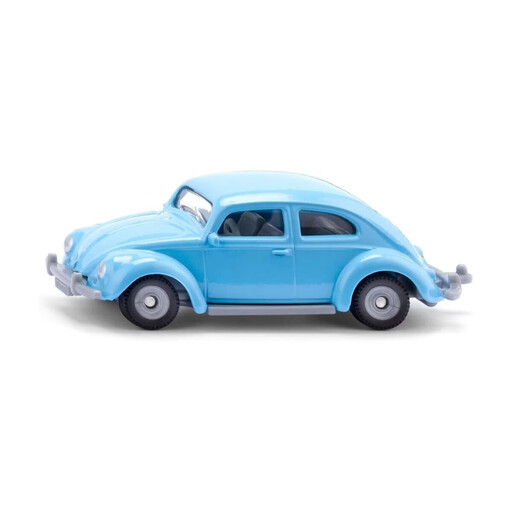
Why This Fits Their Persona: Ideal for parents and grandparents looking for a durable and safe toy car. The model is designed for daily use in the playroom and can withstand even the wildest adventures.
Thanks to its robust metal body and rubber tyres, it sidesteps the pitfall of fragile materials. It's built for active play, not just for display.
Sturdy die-cast construction and smooth-rolling properties. Compact design that integrates well into the SIKU play world.
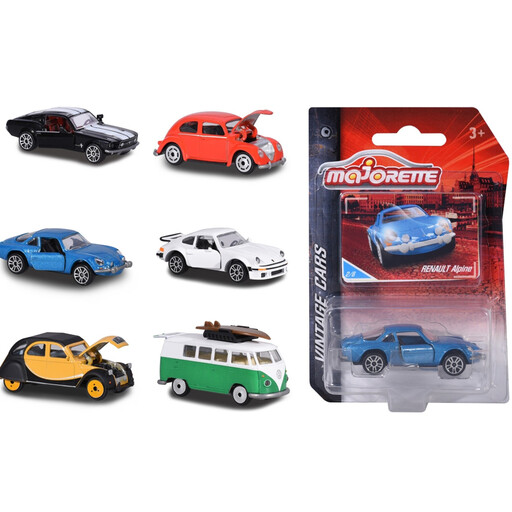
Why This Fits Their Persona: Perfect for anyone starting a collection or looking to expand it with classic vehicles. The element of surprise (random selection) and the included collector's card add to the appeal.
This assortment avoids the trap of poor authenticity. The models are officially licensed and offer details like opening parts and transparent headlights.
Officially licensed models from well-known brands (e.g., Porsche, Dodge). Includes suspension and a collector's card for added value.

Why This Fits Their Persona: For fans of sports cars and racing who want an authentic model of an iconic vehicle. It's suitable both as a toy for exciting races and as a decorative item for a display case.
This model escapes the trap of lacking detail. With opening doors, a wide rear spoiler, and true-to-original styling, it captures the essence of the real race car.
Robust metal body combined with plastic parts. Authentic design with functional doors, ideal as a gift for car lovers.
We have compiled a complete, up-to-date list of products that fully meet these strict selection criteria and UK/EU safety regulations.
The scale indicates how much the model has been scaled down compared to the original vehicle. For example, a scale of 1:64 means the model car is 64 times smaller than the real car. The smaller the second number, the larger the model.
Most manufacturers, such as Siku and Majorette, recommend an age of 3 years and up. This is because many models contain small parts that can pose a choking hazard if swallowed. Therefore, always pay attention to the manufacturer's age recommendation on the packaging.
To care for your collection of die-cast models, a dry, soft cloth or a brush is usually sufficient to remove dust. Avoid water and harsh cleaning agents, as they can damage the paint and decals. For heavier soiling, a cloth with a very small amount of rubbing alcohol can be used. It is best to store the models in a dust-proof display case.