
Lieferung heute & morgen

Qualitätsgarantie

Willkommens-Angebote freischalten: KOSTENLOSE Lieferung | Bis zu 80 % RABATT | Kostenlose 30-Tage-JoyPlus-Testphase
App herunterladen
The fascination with model cars spans generations. Whether as a robust toy car for the playroom or as a detailed collector's item in a display case, these small vehicles delight us all. However, the sheer variety can be overwhelming and lead to disappointing purchases. A glossy appearance in an online shop doesn't always guarantee durability or play value. Often, weaknesses are hidden, only becoming apparent after unboxing and causing frustration.
This guide will help you avoid the typical pitfalls. We'll show you which objective features matter so you can make an informed decision—whether you're looking for a gift for a child or a new piece for your collection.
Before we dive into quality features, let's look at the three most common problems that lead to disappointment:
To avoid the problems mentioned above, you should check three crucial criteria. These will help you objectively assess the quality of a model.
The term die-cast car often signifies quality. It refers to models whose body is cast from a metal alloy. However, pay close attention to the material used for the moving and delicate parts.
The scale indicates the size ratio of the model to the original vehicle. For a harmonious play world or collection, compatibility is key.
Good cars for collecting and playing are distinguished by realistic functions and clean detail work.
To make your choice easier, we have put together some models based on different user profiles.

Why this model is a great fit: Ideal for children who love interactive play. The robust and fully functional shovels allow for realistic construction site scenarios in the sandpit or playroom.
This model avoids the trap of poor functionality. Both the front loader and the backhoe are fully articulated and made from sturdy material, guaranteeing long-lasting play value.
The metal and plastic construction is designed for durability. The 1:50 scale ensures compatibility with many other SIKU vehicles.
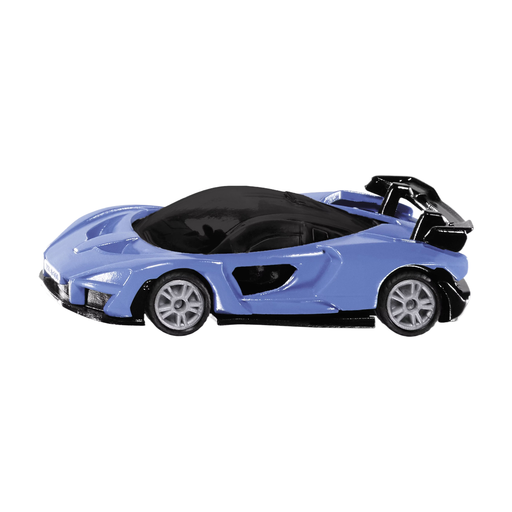
Why this model is a great fit: For anyone fascinated by supercars. This model captures the essence of the exclusive McLaren Senna, making it perfect for both play and as an entry point for a collection.
It avoids the material deception trap with a sturdy metal body and high-quality rubber tyres on detailed rims. The robust construction can withstand even high-speed races on the play mat.
The detailed replica of a rare original vehicle offers high recognition value. Its compact size makes it an ideal companion for on-the-go play.
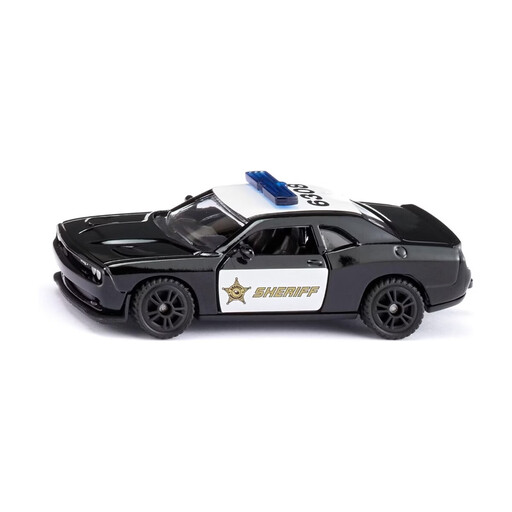
Why this model is a great fit: This model combines the power of a muscle car with the appeal of an emergency vehicle. Perfect for imaginative chase scenes and role-playing.
It avoids the lack-of-detail trap with opening doors, authentic sheriff decals, and a functional trailer hitch, which significantly enhances its play value.
The robust metal body and rubber tyres ensure high stability and durability, even during intense play. A metal toy car that's built for action.
We have compiled a complete, up-to-date list of products that fully meet these strict selection criteria and comply with all applicable safety regulations.
For younger children (ages 3 and up), larger scales like 1:50 or 1:43 can be beneficial as the models are easier to grip and often more robust. However, smaller scales like 1:64 (typical for brands like Majorette or Hot Wheels) or 1:55 (typical for Siku) offer a huge selection of vehicles and accessories, making it easier to build a diverse play world. The decision depends on whether the focus is on handling or on variety and compatibility.
In most cases, a dry, soft cloth or a brush is sufficient to remove dust. For heavier soiling, a cloth lightly dampened with water can be used. However, you should strictly avoid immersing the model in water or using harsh cleaning agents, as this can cause rust on metal axles or damage decals and paintwork.
That largely depends on the specific model. Brands like Siku, Majorette, or Matchbox explicitly design their die-cast cars to be durable toy cars. They are built for robust use in the playroom. In contrast, high-end collector's models from other manufacturers are often more delicate, with fragile details that could easily be damaged during play. A look at the manufacturer's age recommendation and product description will clarify the intended use.