
Lieferung heute & morgen

Qualitätsgarantie

Willkommens-Angebote freischalten: KOSTENLOSE Lieferung | Bis zu 80 % RABATT | Kostenlose 30-Tage-JoyPlus-Testphase
App herunterladen
The fascination with model cars spans generations. Whether it's a durable toy car for imaginative adventures in the playroom or a meticulously detailed collector's item for the display case, these miniature vehicles bring joy. But the sheer number of options can be overwhelming and lead to disappointment. A supposed bargain turns out to be a short-lived plastic toy, or the coveted collector's model doesn't match the pictures on the box.
As your Joybuy Product Recommendation Officer, I'm here to help you navigate the common pitfalls. This guide will show you the objective criteria that matter, so you can make an informed decision—whether it's for a gift for boys and girls or to expand your own collection.
Before we dive into the features of high-quality models, let's look at the three most common issues that can lead to a purchase you'll regret.
To avoid these problems, you should check three crucial parameters before buying. These will help you objectively assess the quality and suitability of a model car.
The material is the single most important factor for durability. Models with a body made of die-cast metal are significantly more robust and resilient than all-plastic vehicles. They have a heavier weight, which provides a satisfying feel and enhances the play value.
Look for clean workmanship without sharp edges. Reputable manufacturers like Siku often combine a metal body with plastic parts for the interior or attachments, which strikes a good balance between stability and detail. These metal cars are an excellent choice for children, as they can withstand more intensive play.
The scale indicates the size ratio of the model to the original vehicle. The choice of the right scale depends on the intended use:
A model car's features determine the fun factor. Simple models are free-wheeling, while others have a pull-back motor. Features like opening doors and hoods are especially popular with children.
For an RC car, the technical specifications are critical. Pay attention to the manufacturer's stated battery life and the number of included batteries. An all-wheel drive (4WD) system provides better off-road capability, while a metal body increases robustness during collisions.
Based on the criteria mentioned, we have curated a few models for different user profiles.

Why This Fits Their Persona: This model is ideal for kids who want a durable and cool-looking car for the play mat. The iconic Porsche design sparks the imagination, while the solid construction can withstand even the wildest races.
The metal body avoids the pitfall of poor material quality. The car is designed for active play and won't break as easily as all-plastic models.
Durable metal body for high longevity; opening doors for added play value.
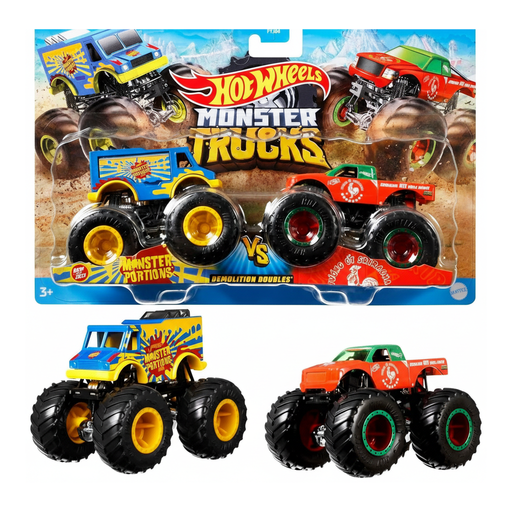
Why This Fits Their Persona: For kids who like to play rough. These Hot Wheels Monster Trucks are explicitly built for crash action, and their large wheels effortlessly roll over other toy cars. The set includes two vehicles for instant head-to-head battles.
These trucks are designed for collisions. Unlike delicate models that would break under such use, their main feature is their robustness.
Built for crash action; 2-pack allows for immediate head-to-head play.

Why This Fits Their Persona: Perfect for anyone looking for a high-performance RC car for indoor and outdoor use. With its all-wheel drive and durable metal body, it can master even uneven terrain. A great gift for older kids and adults.
This model avoids the short battery life trap, as the manufacturer states it includes two batteries for up to 60 minutes of playtime. There are no immediate follow-up costs for extended driving fun.
Two batteries for long playtime; all-wheel drive and metal body for off-road capability and robustness.
We've compiled a complete, up-to-date list of products that fully meet these strict selection criteria and German safety regulations.
1. What scale is suitable for a 4-year-old child? For children around 4 years old, durability and ease of handling are more important than intricate details. Larger, sturdy models in 1:43 or 1:50 scale are often a good fit. However, high-quality and robust metal cars in the smaller 1:64 scale, like those from Siku, are also an excellent choice as they fit well in small hands and are designed for intensive play.
2. How do you care for model cars to make them last? To clean metal cars, a dry or slightly damp cloth is usually sufficient. Avoid water, as it can cause corrosion on the axles. Store the models, especially collector's items, in a dust-free environment to protect the paint. A special collector's case, like the Theo Klein 2883 Hot Wheels Collector's Case, can help with this.
3. How can I identify a safe toy car? Look for the CE marking, which confirms that the product complies with EU safety standards. Check the manufacturer's age recommendation. A safe toy car has no sharp edges, and its components are so securely attached that no small parts can come loose during normal use.