
Lieferung heute & morgen

Qualitätsgarantie

Willkommens-Angebote freischalten: KOSTENLOSE Lieferung | Bis zu 80 % RABATT | Kostenlose 30-Tage-JoyPlus-Testphase
App herunterladen
The passion for model cars unites collectors, tech enthusiasts, and automotive aficionados alike. Whether as faithful scale models for a display case, a challenging car building kit for adults, or a special gift for car enthusiasts, the market offers a vast selection. But this variety also has its pitfalls. Many buyers invest in models that look impressive in product photos but prove to be a disappointment up close. To help you make the right choice, we'll highlight the most common traps and show you which criteria truly matter.
An informed decision is your best defence against disappointment. Pay close attention to these three points to avoid a bad purchase:
To find the perfect model, you should evaluate three fundamental parameters. These will help you objectively assess a model's quality and suitability.
The scale indicates the size ratio of the model to the original vehicle. For a cohesive collection, it's wise to focus on one or a few scales. Common scales include:
Always check the exact dimensions of the model to ensure it meets your expectations and fits your available space.
The material is a crucial factor for the tactile feel, appearance, and durability.
Your personal preference determines whether a pre-assembled model or a building kit is the right choice.
Here are some recommendations tailored to different profiles of hobbyists and collectors.

Why it's a great fit: Ideal for anyone starting their collection. This model of an iconic vehicle offers a great balance of detail and an accessible price point. The 1:36 scale is compact and well-suited for building a first collection.
The die-cast metal body provides stability and a premium feel, bypassing the issue of fragile plastic models.
Features opening doors and a pull-back function, offering more interactivity than a static display model.
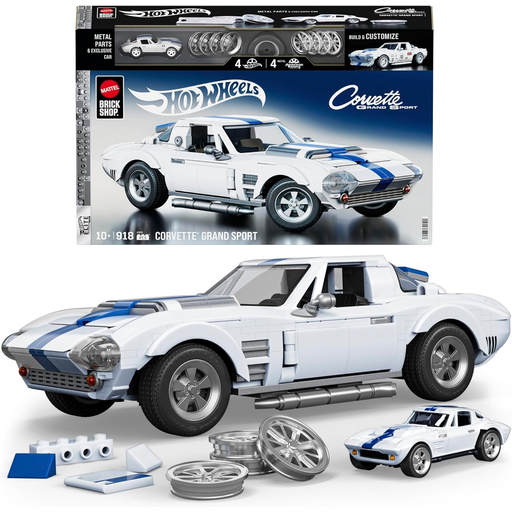
Why it's a great fit: For those who enjoy the building process as much as the final model. This kit presents a challenge with 918 pieces and rewards you with a highly detailed 1:16 scale model.
The high level of detail and complexity of this kit counteracts the problem of superficial models. It is explicitly designed as a challenging building project for collectors.
The high piece count (918 pieces) and realistic details create an immersive building experience and an impressive display piece.
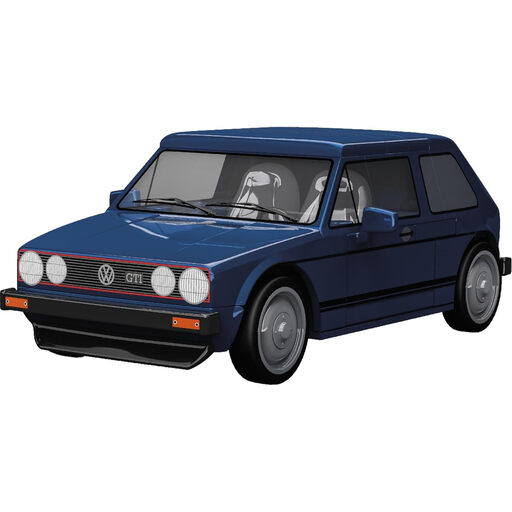
Why it's a great fit: This set combines the joy of building with the nostalgia of a European automotive classic. It's an ideal gift for car enthusiasts who also have a passion for building blocks.
According to the manufacturer, the bricks are compatible with leading brands. This prevents the problem of a closed, incompatible system.
The use of standard block sizes allows for seamless integration into existing collections and encourages creative building.
We've curated a comprehensive, up-to-date list of products that meet these strict selection criteria and comply with current safety regulations.
The 1:43 scale is considered the traditional collector's scale, as it offers a good compromise between detail and space requirements. For beginners or fans of larger models, 1:24 is also a popular choice. Ultimately, the decision depends on personal preference and available space.
Die-cast models are made primarily from a zinc alloy, which gives them a heavier weight and a sturdy feel. They are often used for high-quality collectible car models. Models made from ABS plastic are lighter and are mainly used for brick-built car kits, like those from LEGO Technic, as the material allows for precise and complex shapes.
When choosing a car building kit for adults, three points are important: the number of pieces (as an indicator of complexity), the quality of the instructions, and the compatibility of the bricks if it's a block-based system. Also, check whether special tools are required or if all necessary parts are included in the set.