
Lieferung heute & morgen

Qualitätsgarantie

Willkommens-Angebote freischalten: KOSTENLOSE Lieferung | Bis zu 80 % RABATT | Kostenlose 30-Tage-JoyPlus-Testphase
App herunterladen
By the Joybuy Product Recommendation OfficerPublished August 28, 2026
The world of model cars is fascinating and diverse, ranging from sturdy toy cars for children to highly-detailed collector's items for adults. But this variety can also lead to confusion and buyer's remorse. Many shoppers invest in a model that ultimately fails to meet their expectations—whether due to misleading product images or unclear descriptions.
This guide will help you navigate the common pitfalls. We'll show you the crucial features to look for to find the perfect model for your needs, whether it's a gift for a car enthusiast, a toy for a child, or a new piece for your collection.
Before choosing a model, it helps to know the most common issues that can lead to disappointment.
To avoid the pitfalls mentioned above, you should check three fundamental parameters. These will help you objectively assess the quality and suitability of a model car.
The scale indicates the size ratio of the model to the original vehicle. A smaller number after the colon means a larger model.
Pro Tip: Don't rely on the scale alone. Always check the product description for the exact dimensions in centimetres to gauge the model's real-world size.
The choice of material determines the model's durability, weight, and tactile feel.
The choice between a pre-assembled model and a building kit depends entirely on the recipient's preferences.
Here are some recommendations tailored to different needs and user profiles.
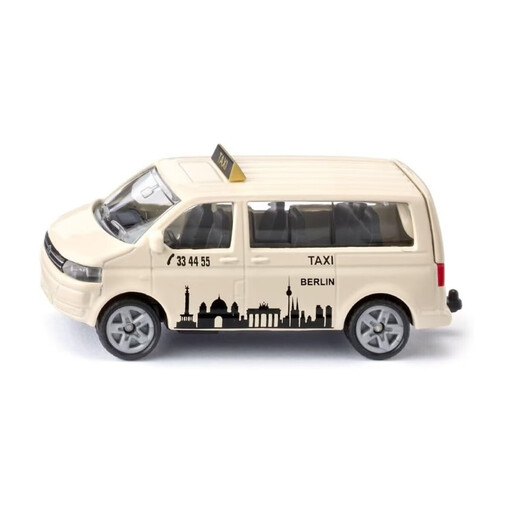
Why it's a great fit: Ideal for children who want a robust and recognisable vehicle for imaginative play. The model is designed for daily use in the playroom.
This model sidesteps the material and purpose pitfalls. The combination of a metal body and plastic parts is explicitly designed for durability. It is clearly positioned as a toy car, not a delicate collector's item.
High durability and play value thanks to functional details like an opening tailgate and rubber tyres for quiet rolling.
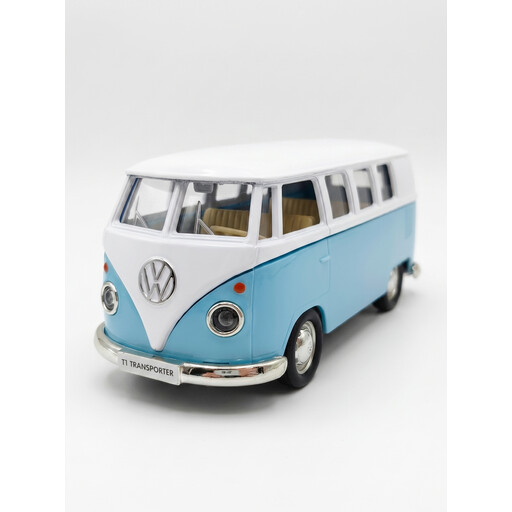
Why it's a great fit: An iconic vehicle, presented as a detailed diecast model, that serves as an ideal and affordable entry point into the world of car collecting.
This model avoids the size trap with its clear definition as a 1:36 scale model and offers a solid feel thanks to its zinc alloy construction. It successfully balances a collector-grade level of detail with an accessible price point.
A great level of detail for the price, including opening doors and an authentic replica that makes it an attractive display piece.
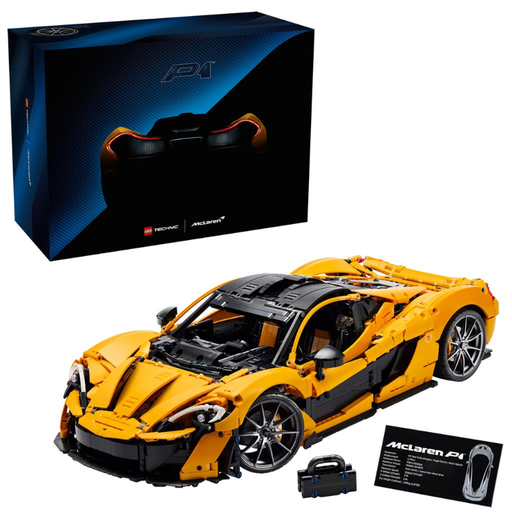
Why it's a great fit: A complex car building kit for adults that offers an immersive building experience and results in a technically impressive 1:8 scale display piece.
This set avoids the purpose mix-up by being clearly positioned as a building kit for adults (18+). Its complexity (3,893 pieces) and technical functions make it clear that this is a challenging project.
An in-depth building experience with working mechanics (V8 piston engine, 7-speed gearbox) and an imposing display piece upon completion.
We have compiled a full, up-to-date list of products that fully meet these strict selection criteria and applicable safety regulations.
The scale describes the size ratio of the model to the real vehicle. A scale of 1:18 means the model is 18 times smaller than the original. A car that is 4.5 metres long in real life would therefore be 25 centimetres long at this scale. The smaller the second number, the larger the model.
It depends on the specific model. Robust diecast models from brands like SIKU are made especially for children's hands. However, highly detailed collector cars often have delicate attachments (like mirrors or antennas) that can easily break off and pose a choking hazard for small children. Therefore, always pay attention to the manufacturer's age recommendation.
To preserve the value and appearance of your collection, you should follow a few simple rules. Protect the models from direct sunlight to prevent the paint from fading. A soft brush or canned air at low pressure is suitable for dusting. For long-term storage, a dust-proof display case is the ideal solution.