By a Joybuy Product Recommendation OfficerUpdated on July 29, 2026
The search for the right model car can quickly become overwhelming. Whether as a durable toy car for children or a detailed collector's car for the display case, the market is filled with a multitude of brands, scales, and materials. Many buyers invest in a model that soon leads to disappointment: a vehicle bought for play breaks, or a collector's item turns out to be too simplistic. This guide will help you understand the crucial criteria and avoid common purchasing pitfalls.
The 3 Most Common Mistakes When Buying Model Cars
Before you make a decision, you should be aware of the most common issues that lead to dissatisfaction.
- Purpose Conflict: Toy vs. Collector's Model: Many highly detailed die-cast models are designed for the display case, not the sandbox. Their delicate parts, such as mirrors or antennas, can easily break off during intense play. Conversely, simple toy cars often lack the level of detail that collectors desire.
- Misjudging Size Due to Scale: The "1:18" scale might sound large, but the model's actual size depends on the original vehicle. A tractor in 1:32 scale is significantly larger than a sports car in 1:18 scale. This often leads to disappointment when the delivered model does not meet expectations.
- Misunderstanding Material Quality: The term "metal car" is not the sole indicator of quality. Inexpensive zinc alloys can be brittle, whereas high-quality ABS plastic, like that used by brands such as Bruder, is often more durable and safer for play. Pay attention to the finish of edges and moving parts.
What Really Matters: Key Parameters for Your Selection
To avoid a bad purchase, focus on three objective criteria that determine the true value and suitability of a model car.
1. Scale and Level of Detail
The scale indicates the size ratio of the model to the original. Smaller numbers mean larger models.
- Large Scales (e.g., 1:16, 1:18): These models are often highly detailed or, in the case of toys, particularly robust and functional. They are well-suited as a centerpiece display item or a primary toy, such as a toy tractor.
- Medium Scales (e.g., 1:32, 1:43, 1:50): This is a common range for agricultural models (Siku) and many collector's cars. They offer a good compromise between detail and space requirements.
- Small Scales (e.g., 1:64, 1:87): These compact models, typical of brands like Majorette, are ideal for building entire play worlds or collections in limited space.
2. Material and Workmanship
The choice of material depends directly on the intended use.
- Zinc Die-cast (Die-cast): These metal cars offer a substantial weight and a premium feel, making them popular with collectors. For toy models, a sturdy metal body ensures longevity.
- ABS Plastic: High-quality plastic is flexible, shatter-resistant, and allows for the implementation of complex, functional play mechanisms. This is the material of choice, especially for large toy vehicles like those from Bruder.
- Tires: Rubberised tires offer better grip and a quieter rolling sound than simple hard plastic wheels. This is a small but significant detail that enhances the model's quality.
3. Functionality and Age Recommendation
The features determine the play or collector value.
- For Children: Look for sturdy, easy-to-use features like opening doors, tipping beds, or movable shovels. A toy police car with a working blue light (if available) or an excavator with a movable arm encourages imagination.
- For Collectors: Here, it's the delicate details that count, such as a steerable front axle, opening hoods with engine replicas, or a true-to-original interior.
- Safety: Always observe the manufacturer's age recommendation. Models for older children or adults may contain small parts that can be swallowed and are therefore unsuitable for children under 3 years of age.
Our Top Picks for Different Needs in 2026
Here are some models tailored to specific needs and user profiles.
IDEAL FOR: YOUNG FARMERS (AGES 3+)
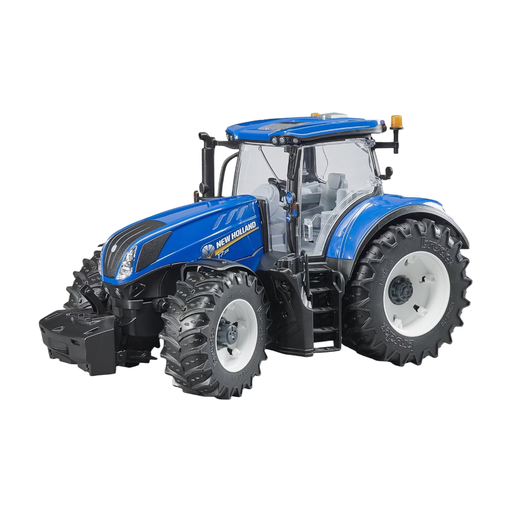
Why it's a great fit: This toy tractor in 1:16 scale is specifically designed for intensive play. Its size is ideal for children's hands, and the numerous features, like the height-adjustable trailer coupling and the detachable front weight, promote creative role-playing.
How It Avoids the Pitfall
It's clearly positioned as a durable toy. The high-quality ABS plastic is more resistant to drops and impacts than many delicate die-cast models.
Key Advantages
High play value thanks to compatibility with bworld figures and numerous trailers from Bruder. Suitable for indoor and outdoor use.
IDEAL FOR: NEWCOMERS TO COLLECTING (AGES 14+)
Why it's a great fit: This model of a classic automobile is an ideal entry point for young collectors. The die-cast metal body gives it a premium feel, while details like the opening doors enhance its collector value. It's a perfect gift for boys and adult enthusiasts alike.
How It Avoids the Pitfall
The clear age recommendation (14+) and focus on design details position it as a collector's car, not a toy for young children. The sturdy metal body is designed for display.
Key Advantages
Detailed design of an iconic vehicle. The pull-back function offers an interactive aspect that goes beyond a purely static model.
IDEAL FOR: FANS OF EMERGENCY VEHICLES
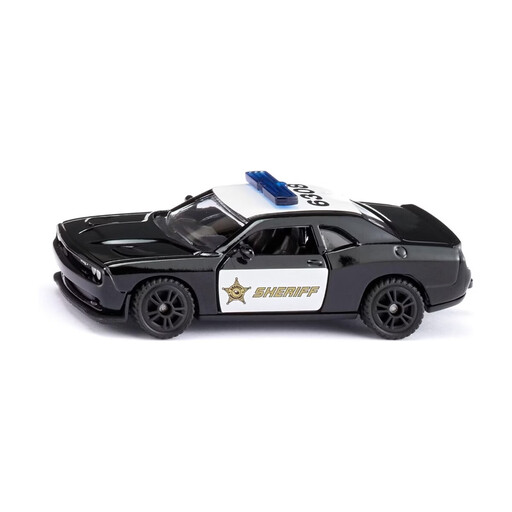
Why it's a great fit: This toy police car from Siku combines a sturdy metal body with an authentic US sheriff livery. It is stable enough for imaginative chase scenes in the playroom, yet detailed enough for the collections of emergency vehicle fans.
How It Avoids the Pitfall
Siku is known for balancing play durability with detail accuracy. The metal body and rubber tires are designed for play, while the paintwork and shape meet the standards of collectors.
Key Advantages
Functional elements like opening doors and a trailer hitch expand the play possibilities. Its compact size makes it a versatile part of the Siku play world.
Looking for more options?
We've compiled a complete, up-to-date list of products that fully meet these strict selection criteria and safety regulations.
Frequently Asked Questions (FAQ)
What's the difference between Siku, Bruder, and Majorette?
These three brands cater to different needs:
- Bruder focuses on large toy cars in 1:16 scale made from high-quality plastic. The focus is on realistic play functions, ideal for children from around 3 years old.
- Siku offers a wide range of vehicles, mostly made of metal with plastic parts, in various scales (e.g., 1:50, 1:87). They represent a compromise between a toy and a collector's model and are known for their durability.
- Majorette specialises in small, pocket-sized metal cars (approx. 1:64). They are often popular as a gift for boys and girls who enjoy collecting and playing.
How do I properly care for die-cast model cars?
To preserve the value and appearance of die-cast models, you should store them dust-free and away from direct sunlight. For cleaning, a soft, dry brush or a microfibre cloth is usually sufficient. Avoid water and harsh cleaning agents, as they can damage the paint and decals.
Which scale is suitable for which age?
As a general guide:
- 3–5 years: Large, robust models (e.g., 1:16 from Bruder) without small parts that could be a choking hazard are ideal.
- 6–10 years: Medium to small models (e.g., from Siku or Majorette) with more details and functions are well-suited.
- From 11 years and for adults: Detailed collector's cars in scales like 1:43, 1:24, or 1:18 are the appropriate choice here.