
Lieferung heute & morgen

Qualitätsgarantie

Willkommens-Angebote freischalten: KOSTENLOSE Lieferung | Bis zu 80 % RABATT | Kostenlose 30-Tage-JoyPlus-Testphase
App herunterladen
Finding the right model car can be a challenge. Whether you're adding to your collection, buying a gift for a car enthusiast, or looking for a premium toy, the selection is vast. But too often, the products don't live up to expectations. A model arrives and it's unexpectedly small, the material quality is disappointing, or advertised features are missing. This guide will help you understand the key criteria and avoid the common pitfalls when buying model cars.
Many buyers rely on product images and marketing descriptions, which don't always tell the whole story. Two problems are especially common:
To make an informed decision, you should focus on objective, technical parameters. Three features are of key importance.
The scale indicates the size ratio of the model to the original vehicle. A smaller denominator means a larger model.
The scale specification is essential for correctly estimating the model's physical size and avoiding disappointment.
The quality of a model car depends heavily on the materials used. Die-cast models are a common standard here.
A solid combination of materials is crucial for both value and durability, whether it's a display piece or a toy.
The difference between a simple toy and a collector's car often lies in the details. Features like opening doors, hoods, or trunks allow a view of the replicated interior and engine. Other characteristics, such as a working suspension or a realistic paint job, further elevate a model's quality.
Here are some recommendations tailored to different profiles of enthusiasts and collectors.
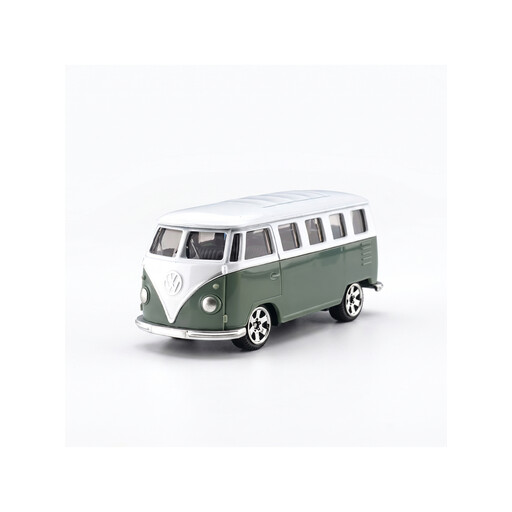
Why This Fits Their Persona: This model captures the charm of an automotive icon. Its compact size makes it an ideal collector's item for a display case or desk without taking up much space. It specifically appeals to lovers of historic vehicles.
The clearly defined 1:56 scale sets realistic expectations for its compact size. The zinc alloy body provides a premium feel and avoids the impression of a cheap plastic toy.
Officially licensed Volkswagen model. Equipped with a shock absorption feature for smooth rolling motion.

Why This Fits Their Persona: This model represents a current and highly sought-after supercar. The detailed design with opening doors specifically appeals to collectors who value realistic replicas and want to keep their collection up-to-date.
The precise 1:36 scale specification and the emphasis on details like opening doors justify its size. The description of the material as a durable alloy signals a robust build quality that enhances its collector value.
Realistic replica of a modern vehicle. Features a pull-back function for added interactivity.

Why This Fits Their Persona: This model isn't a finished product, but a kit. It's aimed at enthusiasts who enjoy the assembly process and are looking for an interactive experience. The end result is a personalized and detailed model of an American muscle car icon.
As a kit, the focus is on the assembly process and the quality of the individual parts. The use of die-cast metal for the main components ensures a solid foundation for the build, preventing disappointment over material quality.
Offers an interactive building experience. The finished model features opening doors and an opening hood for a high level of detail.
We've compiled a complete, up-to-date list of products that fully meet these strict selection criteria and all applicable regulations.
The scale describes the size ratio of the model to the original vehicle. A scale of 1:18 means the model is 18 times smaller than the real car. The smaller the second number, the larger the model car. This specification is crucial for understanding the actual size before you buy.
To clean die-cast models, a dry, soft cloth is usually sufficient to remove dust. For more stubborn dirt, you can lightly dampen the cloth with a small amount of alcohol. Water should be avoided, as it can cause corrosion on the metal parts or damage decals.
It depends on the specific model. Many simple and sturdy metal toy cars are suitable for children aged 3 and up. More detailed collector's cars with delicate attached parts are often intended for teens aged 14 and older and adults, as small parts can pose a choking hazard. Always check the manufacturer's age recommendation.