
Lieferung heute & morgen

Qualitätsgarantie

Willkommens-Angebote freischalten: KOSTENLOSE Lieferung | Bis zu 80 % RABATT | Kostenlose 30-Tage-JoyPlus-Testphase
App herunterladen
The world of model cars is as diverse as it is fascinating, ranging from durable toy cars for children to highly-detailed collector's items and high-performance, remote-controlled RC vehicles. However, this vast selection can also lead to poor purchasing decisions. Certain marketing promises and unclear product descriptions make the choice difficult. This guide will help you identify the crucial features and find a model that meets your needs—whether as a gift for a car enthusiast, an entry into a new hobby, or an expansion of your collection.
Before you make a decision, it's helpful to be aware of the typical problems that often only become apparent after the purchase.
To avoid these pitfalls, you should examine three core parameters that define the purpose and quality of a model car.
The scale indicates the size ratio of the model to the original vehicle. Common scales include:
The material is just as important. Zinc alloy (die-cast) is often used for detailed collectible car models because it provides significant weight and a premium feel. For a toy car that will be actively played with, high-quality, impact-resistant ABS plastic is the better choice, as it can better withstand drops and collisions.
For a remote-controlled car, the drivetrain and controls are the key performance features.
Clearly define the intended purpose. Are you looking for a durable toy for a child, a detailed display piece for a cabinet, or a high-performance RC model for outdoor use? A model that is ideal for one purpose may be unsuitable for another. A delicate die-cast model is not a rugged toy, and a simple toy car will not meet the demands of an RC hobbyist.
Here are some recommendations tailored to different user profiles and their specific requirements.
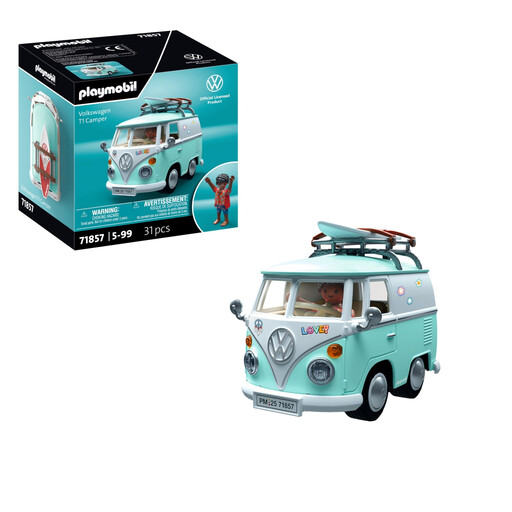
Why This Fits Their Persona: This model combines the fun of a toy with an iconic design. It's suitable for children aged 4 and up, encouraging creative role-play with its accessible interior and accessories. At the same time, it serves as an attractive decorative piece for adult VW Bus fans.
Avoids the misleading material claims trap. According to the manufacturer, it uses high-quality, robust plastic designed for active play and features rounded edges for added safety.
The removable roof provides easy access to the detailed interior. The model comes with accessories like a surfboard, which enhances its play value.
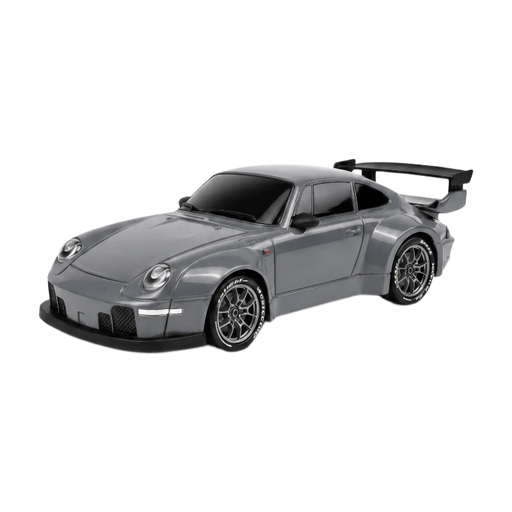
Why This Fits Their Persona: This model offers an excellent entry point into the world of hobby-grade RC cars. With features like all-wheel drive, gyro stabilization, and proportional controls, it allows for precise drifting and driving manoeuvres that are not possible with basic toy RC cars.
Sidesteps the "Ready-to-Run" trap by being delivered as a complete set. It includes a rechargeable lithium battery, a USB charger, and even two sets of tires (drift and racing), so there are no hidden costs.
The integrated, adjustable gyroscope system stabilizes the vehicle and facilitates controlled drifts. The two included sets of tires allow for adaptation to different driving styles and surfaces.

Why This Fits Their Persona: This model is a classic collector's item. Made from a metal alloy as a die-cast model, it appeals to enthusiasts who value authenticity and a high-quality feel. It is primarily designed as a display piece and makes an ideal gift for car fans.
Prevents the trap of incorrect size expectations. The clear specification of the 1:36 scale makes it obvious that this is a compact model for a display case, not a large toy car.
The metal alloy body provides an authentic weight and high durability. Functional details like opening doors enhance its realism and collector's value.
We have compiled a complete, up-to-date list of products that fully meet these strict selection criteria and applicable safety regulations.
The scale describes the size ratio of the model to the original vehicle. For example, a scale of 1:18 means the model is 18 times smaller than the real car. A 4.5-meter-long original vehicle would therefore be 25 cm long at this scale (450 cm / 18). The smaller the second number (e.g., 1:12), the larger the model car.
For beginners, a model with a 2.4 GHz remote control is recommended, as it is interference-free and allows for precise control. Also, look for a complete "Ready-to-Run" set that includes a rechargeable battery and a charger. A durable body made of flexible plastic is also more forgiving of initial driving errors and collisions.
Die-cast models should be stored protected from dust and direct sunlight to prevent the paint from fading. For cleaning, a soft, dry cloth or a brush is usually sufficient to remove dust from crevices. According to CCA manufacturer specifications, a cloth moistened with a small amount of alcohol should be used for cleaning. Water should be avoided as it can lead to corrosion on metal parts.