
Lieferung heute & morgen

Qualitätsgarantie

Willkommens-Angebote freischalten: KOSTENLOSE Lieferung | Bis zu 80 % RABATT | Kostenlose 30-Tage-JoyPlus-Testphase
App herunterladen
The world of model cars is both fascinating and diverse, ranging from robust toy cars for the playroom to highly detailed collector's cars for the display case. But this vast selection also has its pitfalls. Buying without the right information can quickly lead to frustration over brittle parts, incorrect sizes, or a lack of authenticity. As your Joybuy Product Recommendation Officer, I'm here to help you navigate the common traps and find the perfect model to meet your standards.
Before you make a decision, it's important to know the most common issues that can lead to disappointment.
To avoid these pitfalls, you should check three core parameters. These will give you an objective basis for your purchasing decision.
The scale indicates the size ratio of the model to the original vehicle. It is the most important indicator of the actual size and potential level of detail.
The material determines a model's longevity and tactile feel.
Features enhance play value, while licensing guarantees authenticity.
Here are some models that represent a well-considered choice for different user profiles, based on objective criteria.
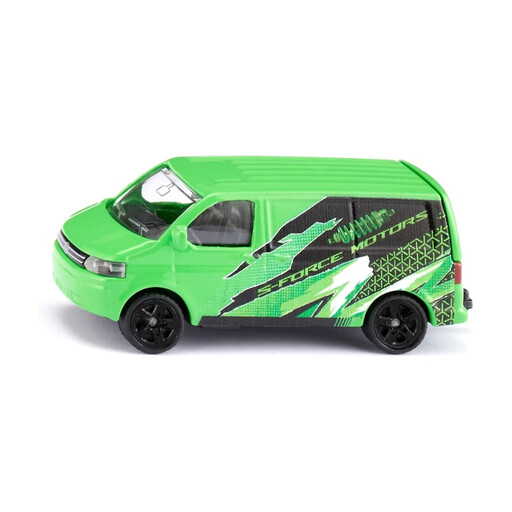
Why this model is a great fit: Ideal as a robust toy car for children aged 3 and up. It combines a sturdy metal body with functional elements like an opening tailgate and a trailer hitch, which enhances its play value.
The sturdy construction of die-cast metal and high-quality plastic parts, for which Siku is known, withstands even intensive play and avoids the material trap.
Robust metal body and rubber tyres for good rolling performance. Compatible with other Siku vehicles and trailers.

Why this model is a great fit: An excellent starting point for aspiring collectors. This 1:36 scale die-cast car offers an appealing level of detail, such as opening doors, at an accessible price. An iconic vehicle that should be in every collection.
This model avoids the detail deception with a recognisably faithful design and specific features of the 1987 BMW M3. The die-cast body ensures a premium feel.
High-quality metal body and realistic details like opening doors. The pull-back motor offers additional play value.
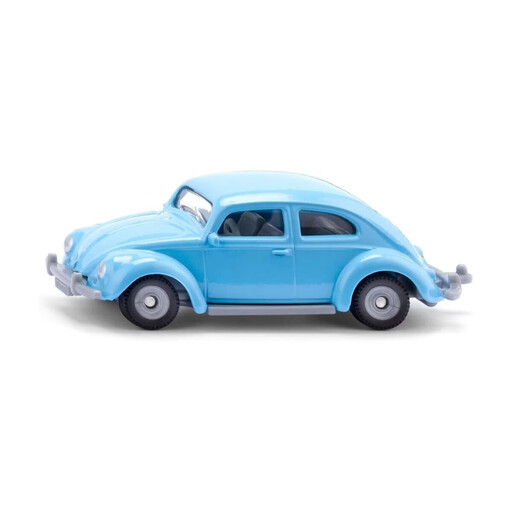
Why this model is a great fit: A must-have for fans of vintage model cars. The VW Beetle is an icon, and this officially licensed Siku model authentically captures the original's characteristic round shape. A beautiful gift for car enthusiasts and collectors.
Thanks to the official VW license, the accuracy of its shape and details is guaranteed. The robust metal body also ensures long-term durability, unlike models made purely of plastic.
Authentic replica of an automotive classic. Sturdy metal construction and rubber tyres for durability and good rolling performance.
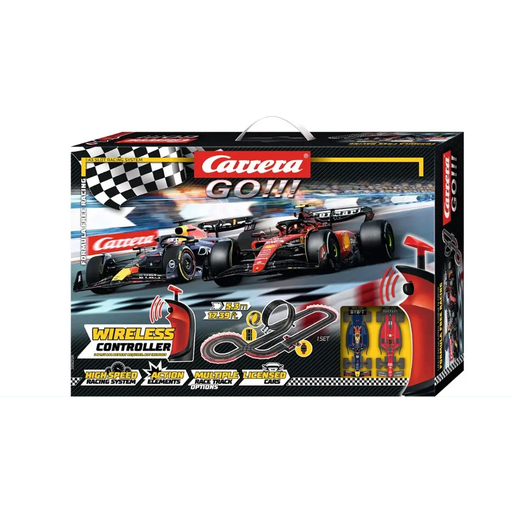
Why this set is a great fit: For anyone looking for more than just a static model. The Carrera race track offers interactive racing fun for up to two players. This set includes two licensed Formula 1 vehicles and a challenging track with a loop.
This set avoids the trap of passive collecting by offering a complete, interactive play experience. The 1:43 scale is clearly defined, and the vehicles are officially licensed.
Complete race track set with wireless controllers for more flexibility. Includes two iconic, licensed Formula 1 vehicles.
Especially for lovers of classic vehicles, we have put together a carefully curated selection that meets our objective criteria for authenticity and quality.
The scale describes the size ratio of the model to the real vehicle. A scale of 1:18 means the model is 18 times smaller than the original. For example, a car that is 4.50 m long in real life would be 25 cm long in this scale. The smaller the second number (e.g., 18), the larger the model car.
It depends on the model and the manufacturer's age recommendation. Brands like Siku or Majorette produce robust die-cast cars designed specifically for children aged 3 and up. With adult collector models, delicate add-on parts can easily break off, and small components can pose a choking hazard. Therefore, always check the manufacturer's age rating and safety warnings.
To preserve the value and condition of your collector's cars, you should protect them from direct sunlight and dust. For cleaning, a soft brush or a microfibre cloth is usually sufficient to remove dust. Avoid water and harsh cleaning agents, as they can damage the paint and decals. For more stubborn dirt, a cloth lightly dampened with alcohol can be used, as recommended by some manufacturers.