
Lieferung heute & morgen

Qualitätsgarantie

Willkommens-Angebote freischalten: KOSTENLOSE Lieferung | Bis zu 80 % RABATT | Kostenlose 30-Tage-JoyPlus-Testphase
App herunterladen
Finding the right model car can quickly become overwhelming. Whether for your own collection, as a gift for a car enthusiast, or as a toy for children, the market is flooded with options that don't always live up to their promises. Many buyers invest in models that later turn out to be a bad purchase. This guide will help you avoid the common pitfalls and make an informed decision.
Before you make a purchase, it's important to know the most common issues that can lead to disappointment.
To avoid a bad purchase, you should check three key parameters. These will help you objectively evaluate the quality and purpose of a model.
The scale indicates the size ratio of the model to the original vehicle. Choosing the right scale depends on the intended use:
Beyond the scale, pay attention to the level of detail: Are the emblems printed or applied as separate parts? Is the interior meticulously recreated? Are the wheels steerable? These features distinguish a simple toy from a high-quality collector's item.
The longevity of a model car is largely determined by its material.
The intended use is crucial for your selection.
Here are some recommendations tailored to different needs and user profiles.

Why This Fits Their Persona: This model combines the appeal of a classic vehicle with playful elements. It's durable enough for occasional play and detailed enough to be the foundation of a collection. An ideal gift for car enthusiasts who are just getting started.
The die-cast zinc body offers greater stability than all-plastic models. The clear 1:36 scale provides a reliable sense of its size.
Features opening doors for added realism and a pull-back action for active fun.
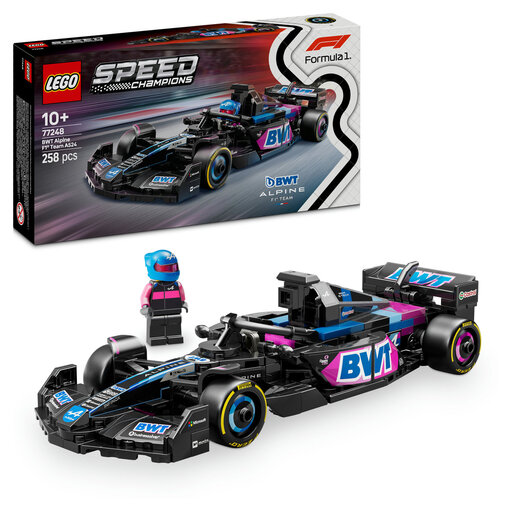
Why This Fits Their Persona: For fans who appreciate the building process, not just the finished model. This model car kit offers an authentic building experience, resulting in a detailed Formula 1 model car that's great for both play and display.
LEGO is known for its consistently high material and manufacturing quality. The instructions are precise, and the pieces fit perfectly, which prevents frustration during the build.
Authentic design details from the 2024 season, including sponsor stickers and a driver minifigure. Promotes fine motor skills and technical understanding.
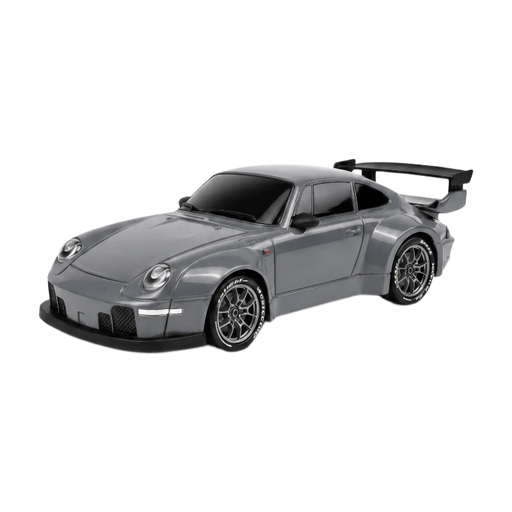
Why This Fits Their Persona: This RC car is aimed at drivers who want to do more than just go forward and backward. With features like all-wheel drive, a gyroscope, and proportional control, it offers a sophisticated driving experience that lives up to hobby-grade standards.
The set comes with a rechargeable 7.4V lithium battery and a USB charger. There are no hidden costs to get it up and running.
Two sets of interchangeable tires (drift and racing) and a gyro stabilizer allow for adaptation to different driving styles and surfaces.
We have compiled a comprehensive, up-to-date list of products that meet these strict selection criteria and applicable safety regulations.
1. What is the difference between die-cast and plastic model cars? Die-cast models are made primarily from a metal alloy (zinc), which gives them a heavier weight and a more robust feel. They are often more detailed and popular with collectors. All-plastic models are lighter, typically less expensive, and can also be very durable and detailed when made with high-quality materials (like the ABS plastic used by LEGO).
2. What scale is best for a gift for a car enthusiast? That depends on the recipient's preferences. For collectors with limited space, the 1:43 scale is a great choice. If the model is meant to be a central display piece, 1:18 or 1:24 is more suitable. A LEGO Speed Champions set is an excellent gift for car lovers who enjoy the building process.
3. What should I look for in a remote-controlled car for beginners? For beginners, a "Ready-to-Run" (RTR) set is recommended. Make sure that a battery and charger are included in the package. A 2.4 GHz remote control is standard and prevents interference when multiple vehicles are running at the same time. A durable build and good availability of spare parts are also advantageous.