
Lieferung heute & morgen

Qualitätsgarantie

Willkommens-Angebote freischalten: KOSTENLOSE Lieferung | Bis zu 80 % RABATT | Kostenlose 30-Tage-JoyPlus-Testphase
App herunterladen
The search for the right model car can quickly become overwhelming. Whether you're looking for a durable car toy for kids or a detailed collector's item for a display case, the market is filled with countless options. But not every shiny model delivers on its promise. Many buyers face disappointment due to subpar materials or unsuitable designs. As your Joybuy Product Recommendation Officer, I'm here to help you spot the common pitfalls and make an informed decision.
Before you choose a model, you should be aware of the most common problems, which often only become apparent after unboxing.
To avoid a bad purchase, you should check three core parameters. These objective criteria will help you evaluate a model's quality, regardless of marketing promises.
The durability of a model car depends heavily on its material. High-quality models, often called die-cast models, are made using a zinc die-casting process. A molten metal alloy is poured into a mould, resulting in a very robust and heavy body.
Look for a clean finish with no sharp edges, especially if the model is intended as a gift for boys or girls.
The scale indicates the size ratio of the model to the original vehicle. It's crucial for determining whether the car will fit into a collection, a playset, or simply a pocket.
The manufacturer's age recommendation is not just a suggestion; it's an important safety notice. Models for children aged 3 and up must meet stricter standards. Check that small parts are securely attached and that the material is saliva-resistant and free of harmful substances. With a Playmobil car, the figures and accessories are tailored to the age of the target audience.
To make your decision easier, we have matched some models to different requirement profiles.
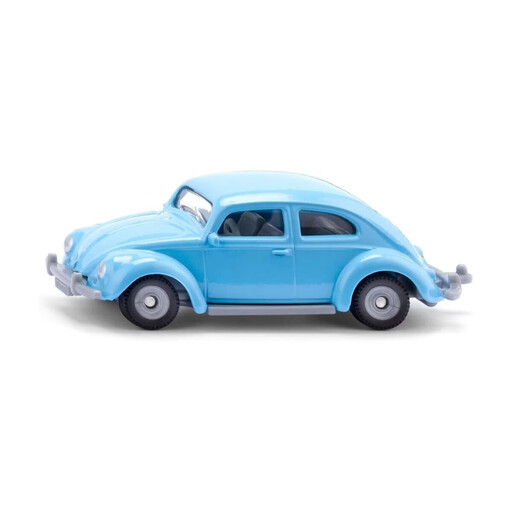
Why This Fits Their Persona: Ideal for small hands. The iconic, rounded shape with no sharp edges and the robust construction make this model a safe and durable companion for the playroom.
The sturdy metal body withstands even rough play, avoiding the trap of cheap plastic cars that break easily. The parts are securely attached.
High play value thanks to excellent rolling properties from its rubber tires. Compact design, perfect for taking on the go.

Why This Fits Their Persona: Perfect for older children and entry-level collectors who value authentic details. The racing design and functional doors offer a higher level of realism than simple toy cars.
This model avoids the disappointment of an overly simplistic toy. It offers the level of detail collectors expect (e.g., rear spoiler, rim design) without the fragility of a display-only model.
Functional, opening doors. The robust metal-plastic construction makes it suitable for both play and display.
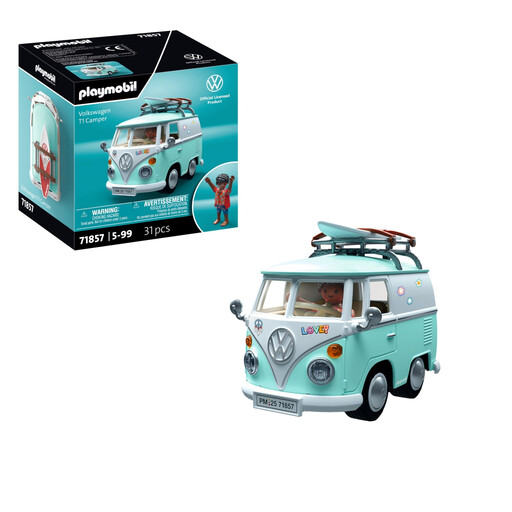
Why This Fits Their Persona: This model is more than just a car—it's a playset. It's perfect for children who love to create stories and integrate their vehicles with figures and accessories into a larger play world.
It avoids the pitfall of being a static model that's unsuitable for creative play. The focus is clearly on interactivity and encouraging imagination, not on material authenticity to the original.
Removable roof for easy access to the playable interior. Includes a figure and accessories (surfboard) for immediate fun.
We've compiled a comprehensive, up-to-date list of products that fully meet these strict selection criteria and safety regulations.
Die-cast refers to the zinc die-casting process where the body is made of metal. This gives the model a heavier weight, greater stability, and a more premium feel, making it ideal for collectors. Conventional toy cars, such as those from Playmobil, are usually made entirely of plastic and are designed for durability and functionality in play.
Most manufacturers, like Siku, provide an age recommendation of 3 years and up. Their models are designed to withstand play and do not have small parts that can be easily swallowed. For more delicate collector's models with fine add-on parts, the age recommendation is often much higher (e.g., 8, 12, or 14 and up), as they are not designed as toys. Always check the information on the packaging.
For cleaning die-cast models and Siku cars, a soft, dry microfiber cloth is usually sufficient to remove dust. For heavier soiling, the cloth can be slightly dampened. Avoid harsh cleaning agents or full immersion in water, as this can damage the paint and decals. According to manufacturer instructions, plastic models like those from Playmobil can often be cleaned under running water without chemical additives.