
Lieferung heute & morgen

Qualitätsgarantie

Willkommens-Angebote freischalten: KOSTENLOSE Lieferung | Bis zu 80 % RABATT | Kostenlose 30-Tage-JoyPlus-Testphase
App herunterladen
The search for the perfect model car can quickly become overwhelming. Whether it's a durable toy for a child or a detailed collector's item for a display case, the differences in quality are often only apparent on second glance. Many buyers experience the disappointment of a supposed bargain turning out to be a short-lived plastic model, or discovering that the details don't match the original. This guide will help you navigate the common pitfalls and make an informed decision.
The most common problems when buying model cars are:
To ensure your new model car meets your expectations, you should check a few key parameters. These will help you objectively assess quality and distinguish marketing promises from genuine product features.
A crucial factor for the longevity and value of miniature vehicles is the material. The term Diecast has become the established standard here.
The scale indicates the size ratio of the model to the original vehicle. Choosing the right scale is critical to whether the model fulfils its intended purpose.
Look for features like opening doors, a detailed interior, or working suspension. These details not only enhance the realism but also increase the play and collector value.
Manufacturers like Siku and Majorette work closely with car manufacturers to acquire official licences for their models. Such a licence ensures that the design, proportions, and even the paintwork exactly match the original vehicle. A licensed model is therefore more than just a toy—it's an authentic replica and an ideal gift for car enthusiasts.
To help you with your selection, we have matched some models to different requirement profiles.

Why this model is a great fit: Ideal for parents looking for a durable toy car. The robust metal and plastic construction can withstand intensive play sessions and encourages imagination through realistic role-playing.
The metal body prevents it from breaking easily, a common problem with all-plastic models. The rubber tyres ensure good rolling performance on various surfaces.
Features an opening tailgate and a trailer hitch that is compatible with other SIKU trailers, expanding its play value.
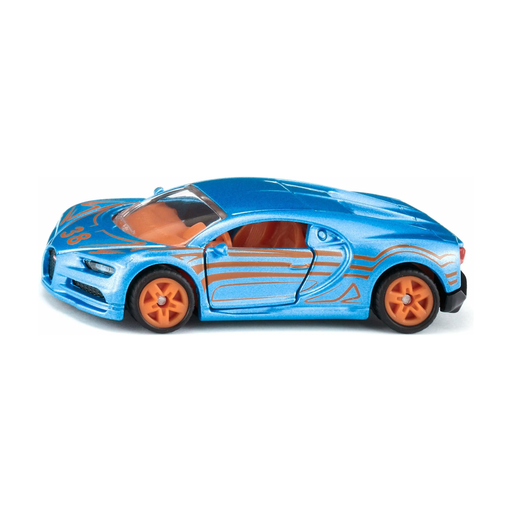
Why this model is a great fit: For fans of iconic supercars who want an authentic yet affordable model. The Bugatti Chiron is a symbol of performance and design, faithfully reproduced here in detail.
Thanks to the official licence, the Chiron's characteristic design features are precisely rendered. The opening doors reveal the detailed interior, avoiding the disappointment of limited functionality.
The robust metal body combined with wide rubber tyres ensures stability and excellent rolling properties, making it both a collector's item and a toy.
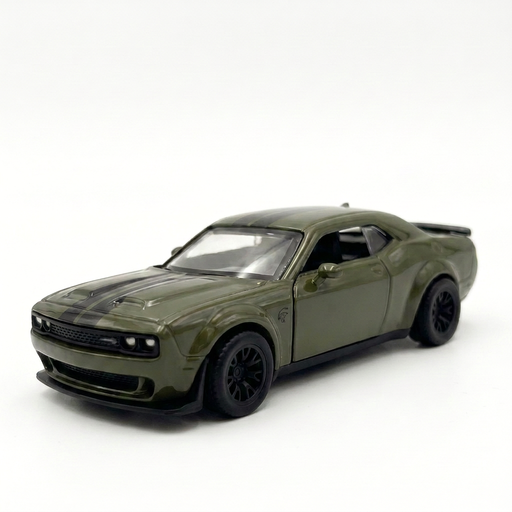
Why this model is a great fit: A great choice for newcomers to the world of collector models or lovers of American muscle cars. The 1:44 scale offers a good balance of size and detail for a display case.
This model avoids the pitfall of lacking detail with two opening doors that reveal the interior. The authentic army green paint job underscores the vehicle's character.
The zinc alloy body ensures durability and a premium feel. The pull-back function with rear-wheel suspension offers additional play value.
We've compiled a complete, up-to-date list of products that fully meet these strict selection criteria and safety standards.
1. What exactly does "diecast" mean for model cars? "Diecast" refers to the pressure casting process. A liquid metal alloy (usually zinc-based) is forced into a steel mould under high pressure. The result is a highly detailed and robust car body. This is then completed with parts made of plastic or rubber, such as tyres, windows, and interior fittings.
2. Which scale is best for children? For children aged 3 and up, models in scales between 1:50 and 1:64, like those offered by brands such as Siku or Majorette, are often a good choice. They are robust, easy to handle, and fit well with common play mats and toy garages. Larger models are often more delicate and are better suited for older children or collectors.
3. How do you properly care for collector cars to maintain their value? To preserve the value of collector's cars, they should be protected from direct sunlight and dust, ideally in a display case. For cleaning, a soft brush or a microfibre cloth is usually sufficient to remove dust. According to the manufacturer's instructions for some brands, like CCA, a dry cloth with a very small amount of alcohol can be used to remove fingerprints. Water should be avoided as it can cause corrosion on the metal parts.