
Lieferung heute & morgen

Qualitätsgarantie

Willkommens-Angebote freischalten: KOSTENLOSE Lieferung | Bis zu 80 % RABATT | Kostenlose 30-Tage-JoyPlus-Testphase
App herunterladen
The fascination with model cars spans generations. Whether as a detailed collector's car in a display case, a durable metal toy car, or a thoughtful gift for a car enthusiast—the selection is vast. But the market is also full of pitfalls that can quickly lead to a bad purchase. Before you make a decision, it's crucial to distinguish between typical marketing promises and actual product features.
This guide will help you identify and avoid three common problems:
To avoid these issues, you should carefully check a few key parameters before buying.
To ensure your new model car meets your expectations, focus on three objective criteria. These will help you assess a model's quality, independent of advertising claims.
The scale indicates the size ratio of the model to the original vehicle. Common scales include:
Pro Tip: Don't rely on the scale alone. Always check the product dimensions listed in centimetres. This is the only way to be sure the model is the right size for your display case or as a toy.
True collectible car models are distinguished by a high proportion of zinc die-cast. This material gives the model a pleasant weight and a robust, premium feel.
Look for precise material specifications in the product description. Phrases like "alloy body" or "zinc die-cast with plastic parts" usually indicate a solid construction.
Features like opening doors, a bonnet, or a pull-back model car can increase a model's value—but only if they are well-executed.
Here are some recommendations tailored to different needs and profiles.
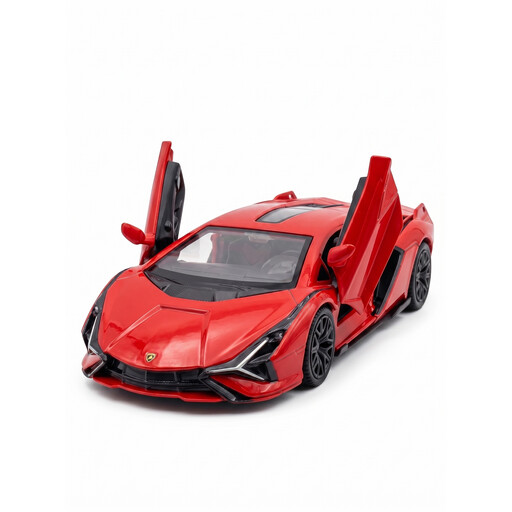
Why this model is a great fit: This model combines an exciting supercar design with interactive features. It's an ideal gift for car enthusiasts who value both appealing aesthetics and play value.
The product description clearly states a "durable metal" construction, bypassing the vague "die-cast" promise. The features (pull-back motor, opening doors) are clearly defined, not just empty marketing.
Offers high interactive value with its pull-back motor and is suitable for both display and play thanks to its robust build.
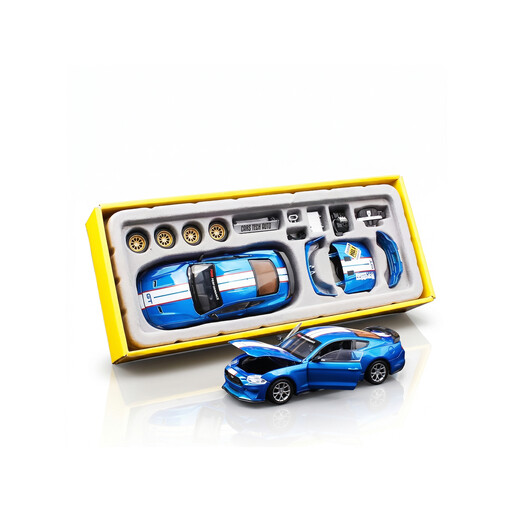
Why this model is a great fit: This profile seeks authenticity and precision. The Ford Mustang GT model is described with "finely crafted interior and exterior details" and is aimed squarely at collectors who value a faithful reproduction.
Instead of vague promises, the description focuses on verifiable features like opening doors and bonnet, as well as a detailed interior. The material specification is precise: "high-quality metal die-cast with durable plastic parts."
High fidelity in the bodywork, interior, and engine. The solid features make it a durable display piece for any collection.
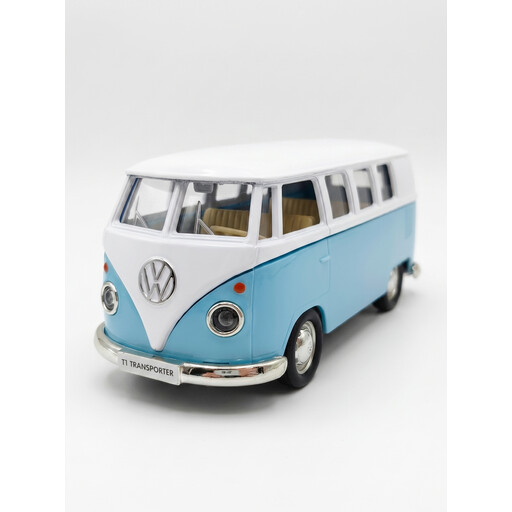
Why this model is a great fit: This VW Bus model car is the perfect choice for fans of automotive icons. The T1 Bus is a symbol of freedom and adventure, realised here as a detailed model with extra features.
The model offers clear, verifiable features: a "durable alloy" body, opening doors, and a pull-back motor. It avoids the pitfall of inconsistent scales with its clear 1:36 size for a well-known vehicle.
Combines the iconic design of a beloved classic with robust materials and interactive play features, making it equally attractive to collectors and as a gift.
We have compiled a complete, up-to-date list of products that fully meet these strict selection criteria and rigorous safety standards.
The scale is a ratio that describes the size of the model compared to the original vehicle. For example, a scale of 1:43 means the model car is 43 times smaller than the real car. A smaller second number (e.g., 18 in 1:18) means a larger model, while a larger number (e.g., 64 in 1:64) indicates a smaller model.
To clean die-cast cars, a soft, dry cloth is usually sufficient to remove dust. For hard-to-reach areas like the grille or cockpit, a soft brush can be used. Some manufacturers recommend moistening the cloth with a very small amount of alcohol for stubborn dirt. Water should be avoided as it can cause corrosion on metal parts or damage decals.
No, not necessarily. While a pull-back model car significantly increases the play value for children, many adult collectors also appreciate this feature. It can add to the model's charm, especially for models reminiscent of one's childhood toy cars or for certain vehicle types. The quality of the implementation is what matters, not the feature itself.