
Lieferung heute & morgen

Qualitätsgarantie

Willkommens-Angebote freischalten: KOSTENLOSE Lieferung | Bis zu 80 % RABATT | Kostenlose 30-Tage-JoyPlus-Testphase
App herunterladen
The fascination with automobiles isn't just confined to the road. For many enthusiasts, it continues within their own homes in the form of detailed model cars. But the market can be confusing. The line between high-end collector's items and simple toys is often blurred by subtle differences that can mean the difference between joy and frustration. This guide will help you distinguish quality from mediocrity and find the perfect model for your collection, hobby, or as a thoughtful gift for car fans.
Before diving into the world of miniatures, it's wise to understand the common issues that lead to disappointing purchases. Managing your expectations is the first step to avoiding buyer's remorse.
To avoid these pitfalls, you should check three core aspects before buying. These factors define the quality and intended use of a model vehicle.
The scale indicates the size ratio of the model to the original vehicle. Common scales include:
For collectors, the rule of thumb is: the larger the scale, the higher the level of detail you can typically expect in the interior, engine, and chassis.
The choice of material determines the model's feel, weight, and durability.
For remote-controlled vehicles, the technology is critical.
Here are a few recommendations tailored to specific user profiles, keeping the aforementioned quality criteria in mind.

Why it's a great fit: Perfect for starting a collection. The BMW M3 is an icon, and this 1:36 scale model provides a solid foundation for a growing collection without breaking the bank.
The die-cast metal alloy body provides a premium feel and durability, avoiding the disappointment of cheap-feeling plastic.
Functional, opening doors enhance the realism. The pull-back function also adds simple play value.
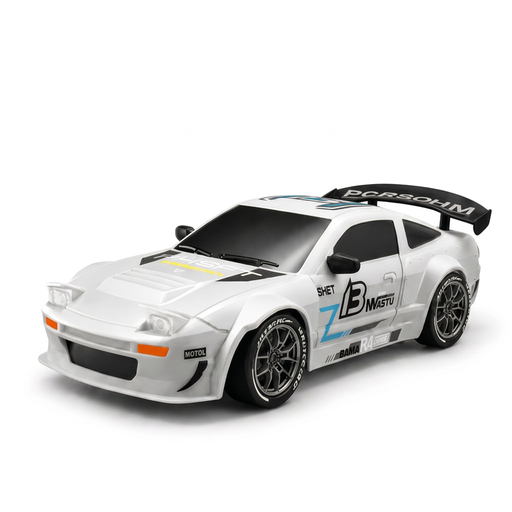
Why it's a great fit: This kit is aimed at drivers who want more than just forward and reverse. It provides the technical foundation for controlled drifts and precise steering, making it a great entry point into the RC hobby.
Instead of simple on-off controls, this model features fully proportional throttle and steering, plus an adjustable gyro system. This bypasses the pitfall of overstated RC features.
Two sets of tyres (Drift and Racing) and an interchangeable lithium battery offer flexibility and extended use.
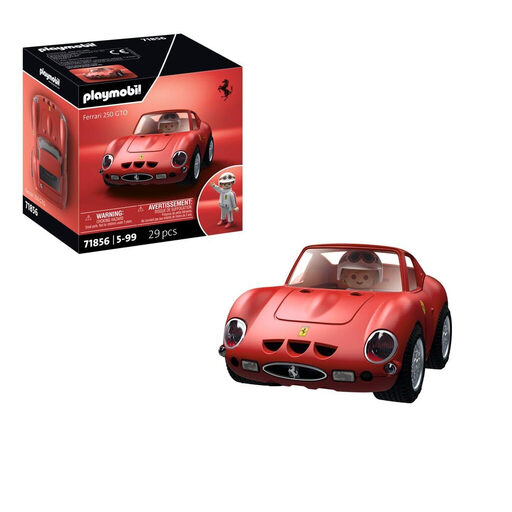
Why it's a great fit: It combines the durability of a toy with the aesthetic appeal of a collector's item. The official license and iconic design of the Ferrari 250 GTO make it attractive to both children and adult fans alike.
This model avoids the pitfall of poor detail by embracing a clear design language that is both playful and recognisable, rather than promising false hyper-realism.
The high-quality plastic construction is designed for play, while the design and branding also make it a display-worthy piece.
We have curated a complete, up-to-date list of products that fully meet these strict selection criteria and applicable safety regulations.
1. What is the difference between die-cast and plastic model cars? The main difference lies in the material and primary use case. Die-cast models are made of a metal alloy, are heavier, and often feature more detailed paintwork. They are excellent as display pieces for collectors. Models made from ABS plastic are lighter, more shatter-resistant, and therefore better suited for active play or as bodies for RC vehicles.
2. What should I look for in a remote-controlled RC car? Look for a 2.4 GHz remote for an interference-free connection and proportional control over steering and throttle. Check the battery type: interchangeable lithium batteries are preferable to proprietary, built-in solutions. For ambitious drivers, all-wheel drive (4WD) and a gyro stabilisation system are also beneficial.
3. Are Playmobil Collector Cars also suitable for adults? Yes, absolutely. This series is specifically aimed at an adult audience as well as children. The models are officially licensed by the car brands and emphasise an authentic design that looks great in a child's playroom or a collector's display case. They combine the durability of a toy with the aesthetic appeal of a collector car for adults.