
Lieferung heute & morgen

Qualitätsgarantie

Willkommens-Angebote freischalten: KOSTENLOSE Lieferung | Bis zu 80 % RABATT | Kostenlose 30-Tage-JoyPlus-Testphase
App herunterladen
Model cars can be toys, collectibles, decorations or remote-controlled vehicles for action-packed driving manoeuvres. This variety is exactly what makes choosing the right one challenging. A small diecast model for a display cabinet has different requirements from a robust toy car for the sandpit or an RC vehicle for older children.
Anyone who focuses only on realistic looks or a low price will often overlook important details. These include an unsuitable age recommendation, delicate attachments, missing scale information or ongoing costs for batteries and spare parts. The following selection shows what matters when choosing model cars and model vehicles for everyday life in the UK.
Diecast model cars made from metal and ABS plastic often look highly detailed, but they are not always suitable for younger children. Opening doors, thin wing mirrors or small accessories can be damaged during intensive play. This is less of a problem with collectors’ cars for teenagers and adults than with toy cars for children aged 3 or 4 and over.
A model in 1:16 scale is considerably larger than a vehicle in 1:64 scale. The scale indicates the ratio to the original vehicle, not the overall product quality. If you are creating a play world with several vehicles, check that the models are compatible with one another. A 1:16 construction vehicle also needs considerably more storage space than a compact SIKU model car set.
With RC vehicles, it is not just speed and functions that matter. The charging method, battery type, remote control, range and recommended age group are also important. A vehicle with lights, music and gesture control may require more attention than a classic model car without electronics. For products with lithium batteries, follow the charging instructions and ensure that children are supervised by an adult.
The manufacturer’s age recommendation is a key point to check. Models marked not suitable for children under 36 months may contain small parts that pose a choking hazard. According to the product information, SIKU models such as the campervan or emergency vehicle are intended for children aged 3 and over. BRUDER vehicles such as the Mercedes-Benz Sprinter or MAN tow truck are, according to the stated information, aimed at children aged 4 and over.
Many diecast model cars for teenagers and adult collectors are intended for ages 14 and over. This age limit often relates to delicate components and use as a collector’s model, rather than being a general statement about durability.
Metal bodies offer a different feel from models made entirely of plastic. Plastic, on the other hand, can reduce the weight of larger toy vehicles and allow for moving functions. Check the following:
For display cabinets, models with an acrylic cover and stand are practical because they reduce dust and allow for stable presentation. For children’s bedrooms and play mats, rolling vehicles with a sturdy construction and easy-to-grip functions are usually more suitable.
Compact scale model cars in the 1:36 to 1:64 range can be collected while taking up little space. Larger model vehicles in 1:16 scale, on the other hand, offer more room for role play but require a suitably large play area. Before buying, consider your display cabinet, shelf height and existing playsets.
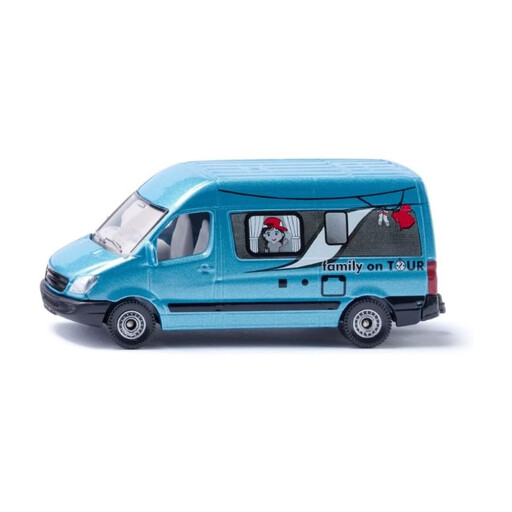
Why this product suits the profile: According to the product information, the compact campervan is intended for children aged 3 and over and does not require batteries. This makes it suitable for introducing children to the world of model vehicles and as a small gift.
The age recommendation, compact size and battery-free design are clearly stated. The metal body with plastic tyres combines manageable weight with a rolling play function.
Scale 1:50? No: At around 8.2 cm long, this model is compact, rolls without a power supply and can be integrated into existing SIKU play worlds.
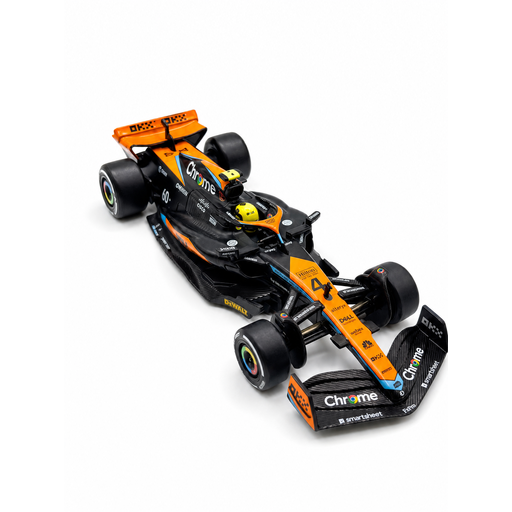
Why this product suits the profile: According to the product information, this 1:43 racing car model is aimed at teenagers and adults. The stand and transparent acrylic cover help protect it from dust when displayed on a shelf or desk.
The equipment is not limited to a decorative paint finish: the model comes with a sturdy base and acrylic protection. The 14+ age recommendation clearly distinguishes it from toys for young children.
According to the product description, the body is made from diecast metal. The stand and cover make long-term display easier.
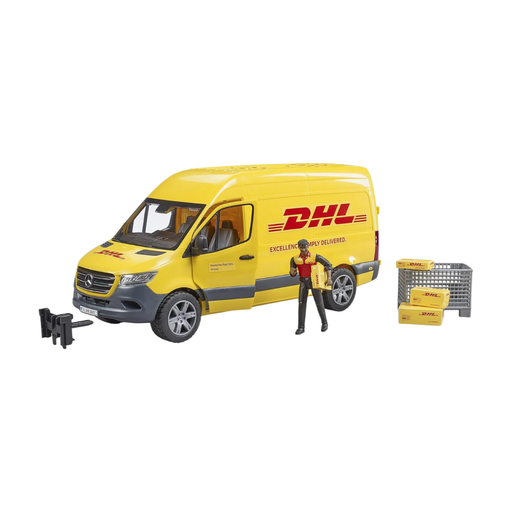
Why this product suits the profile: For children aged 4 and over who want to recreate emergency and everyday scenarios, the Sprinter features doors, a side sliding door, a driver, a roll cage and parcels.
The functions are clearly specified and ready to use. The model does not depend on batteries and is suitable for indoor use as well as supervised outdoor play on appropriate surfaces.
The 1:16 scale, moving doors and included accessories create several logistics-themed play scenarios. The product information mentions transparent, shatterproof cabin windows.
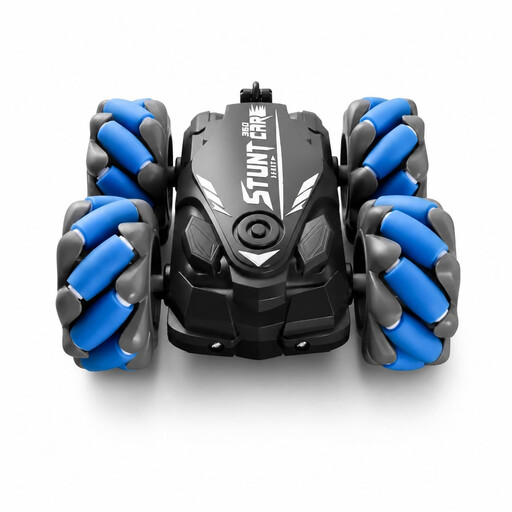
Why this product suits the profile: According to the product information, this RC vehicle is designed for children aged 8 and over and offers both remote control and gesture control. 4WD, sideways drifting and spins appeal to users looking for more than simply driving in a straight line.
The control methods, integrated battery and USB charging cable are described. Before use, check the wheels, casing and battery, and follow the charging and safety instructions.
2.4 GHz control, four-wheel drive, Mecanum wheels and a rechargeable battery are specific technical features. According to the description, several vehicles can be used at the same time.
We have put together a complete, regularly updated list of products that fully meet these strict selection criteria and the safety regulations applicable in the EU.
The lifespan of model cars depends largely on how they are used. Collector’s models should ideally be kept on a firm surface and cleaned with a dry, soft cloth. For children’s toy vehicles, regular checks for loose wheels, cracks and detached small parts are recommended.
RC vehicles should not be used in water or heavy rain unless the manufacturer specifically states that they are suitable for such conditions. After charging, disconnect the vehicle from the power supply and handle the battery according to the instructions. Battery compartments must remain closed; adults should replace button cells.
Suitable models are those for which the manufacturer explicitly states that they can be used from the age of 3 and which do not contain swallowable small parts. According to the available product information, SIKU vehicles such as the campervan or certain emergency vehicles are intended for children aged 3 and over. The warnings on the packaging and product page remain decisive.
Scales such as 1:43 or 1:64 are space-saving options for compact collections. 1:43 racing car models often offer a good balance between visible detail and moderate space requirements. If you are planning a uniform display cabinet, combine models in the same scale wherever possible.
An RC vehicle with an integrated battery mainly incurs electricity costs for charging during use. With intensive use, replacement parts such as wheels or bodywork components may also be needed. Before buying, check the battery type, charging accessories and availability of spare parts.