
Lieferung heute & morgen

Qualitätsgarantie

Willkommens-Angebote freischalten: KOSTENLOSE Lieferung | Bis zu 80 % RABATT | Kostenlose 30-Tage-JoyPlus-Testphase
App herunterladen
Model cars can be toys, decorative objects or collector’s items. However, there are significant differences between a sturdy metal model car for children aged 3 and over, a detailed diecast model car for adults and a remote-controlled RC drift car. If you make your choice based solely on colour, brand or an eye-catching product image, it is easy to overlook important details.
The Joybuy Product Recommendation Officer explains which details matter when buying and which common pitfalls you can avoid.
The model car scale indicates the ratio compared with the original vehicle. A 1:64 scale model is considerably smaller than a 1:24 or 1:18 scale model. However, the scale alone does not always tell you enough: original vehicles vary in size. You should therefore also check the product dimensions in centimetres, especially for display cabinets, dioramas or children’s bedrooms.
Many diecast models combine a metal body with parts made from ABS plastic, rubber or transparent plastic. This is common for doors, tyres and interior details. Clear material information is essential. For example, SIKU model cars are described as “metal with plastic parts”. For collector’s cars, you should also consider the paintwork, printing, moving elements and whether a display base is included.
A product with an age recommendation of 14 years and over may contain small, delicate or moving components and is not automatically suitable for younger children. Conversely, many toy cars for children aged 3 and over are designed for robust use and easy rolling. Warnings about small parts, supervision and intended use should therefore be read carefully before purchase.
For children aged 3 and over, models with manageable functions, a sturdy construction and clearly marked warnings are a sensible choice. Small parts may present a choking hazard. Detailed metal model cars for teenagers and adults should only be used in accordance with the manufacturer’s instructions.
Pay attention to:
A classic model car usually rolls freely and does not require batteries. Pull-back models move forwards independently after being pulled backwards. An RC drift car, on the other hand, requires a remote control, a rechargeable battery and a suitable surface. For use indoors, the turning circle, speed, tyre type and noise level are important. For outdoor surfaces, you should consider the ground, weather conditions and any potential obstacles.
For a collection, even paintwork, neatly applied decals, true-to-scale proportions and suitable presentation all matter. A 1:43 model with a base and acrylic cover is more suitable for a display cabinet than a small toy car without dust protection. For frequent play, however, smooth-running wheels and a durable body are more important than especially fine details.
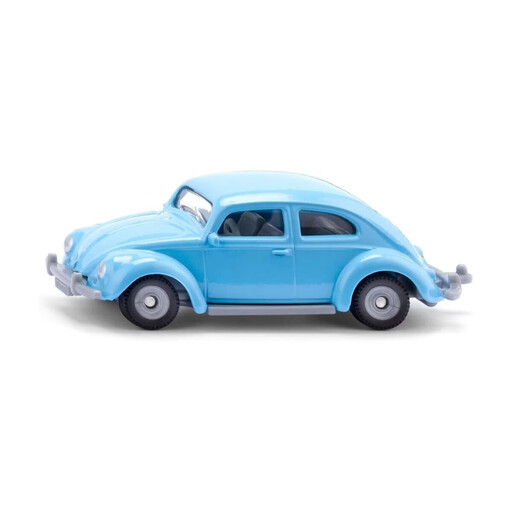
Why this product suits the profile: This compact Volkswagen model car combines a metal body with plastic parts, making it suitable for play or collecting.
The product description clearly states the materials, dimensions, age recommendation and that no batteries are required.
Metal with plastic parts, rubber tyres, compact dimensions and no batteries required.
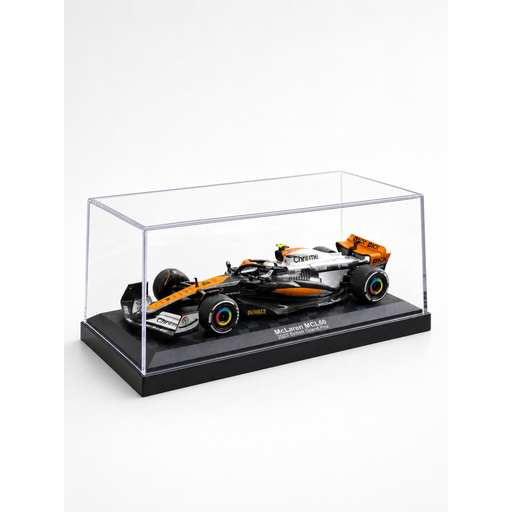
Why this product suits the profile: This 1:43 scale McLaren model car is designed for display in a cabinet or on a shelf.
A display base and transparent acrylic cover reduce direct contact and dust build-up.
The product information specifies a diecast aluminium alloy, racing paintwork, base and acrylic cover.
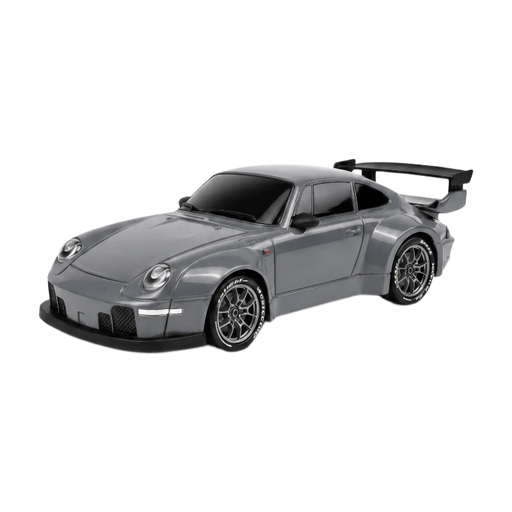
Why this product suits the profile: This remote-controlled RC drift car is aimed at users looking for driving functions, interchangeable tyres and several speed settings.
The description clearly lists the speed, gyroscope, drive system, battery and tyre types.
4WD drive, two speed settings, LED lights, interchangeable tyres and a lithium battery.
We have put together a complete, regularly updated list of products that fully meet these strict selection criteria and the safety regulations applicable in the EU.
The 1:43 scale is a popular compromise between level of detail, space requirements and visibility. For small play worlds, 1:64 models are practical. Larger scales such as 1:24 or 1:18 show more detail, but require correspondingly more display space.
Their lifespan depends on the materials, usage and storage conditions. Metal bodies are durable under normal use; moving doors, mirrors, trailer couplings and paintwork can be more delicate when played with frequently. Collector’s models should be stored away from dust and direct sunlight, and kept dry.
In addition to the purchase price, you may need to pay for replacement tyres, spare batteries, charging accessories and, where necessary, replacement parts. Before buying, check whether the battery and remote control are included and whether suitable replacement components are available. If you drive the car regularly, it is also advisable to clean the wheels and visible drive components.