
Lieferung heute & morgen

Qualitätsgarantie

Willkommens-Angebote freischalten: KOSTENLOSE Lieferung | Bis zu 80 % RABATT | Kostenlose 30-Tage-JoyPlus-Testphase
App herunterladen
Anyone looking to buy model cars and toy cars can quickly be faced with an overwhelming choice: diecast model cars, SIKU model cars, Hot Wheels cars, remote-controlled vehicles and decorative collector’s cars differ considerably in terms of material, scale, recommended age and intended use. A glossy finish or well-known vehicle brand alone says little about whether a model is suitable for playing with, collecting or displaying.
A metal toy car may give the impression of being sturdy. However, durability also depends on plastic parts, axles, wheels, moving elements and the quality of the connection points. Opening doors or tow bars add play value, but can be more delicate under rough handling than a closed body.
So always look for a clear product description: is only the body made from metal, or is the entire vehicle metal? Are rubber tyres, plastic parts and moving functions explicitly mentioned?
A model in 1:64 scale is not necessarily exactly the same length as another vehicle in the same scale, because the full-size vehicles themselves also vary in size. Models in 1:43, 1:44 or 1:36 scale require correspondingly more display space and are not automatically better suited to small children’s hands.
For race tracks and smaller collections, 1:64 scale model cars are often a good fit. A racing car model or a sports car model for display, on the other hand, may offer more visible detail in 1:43 or 1:36 scale.
The age recommendation primarily describes the intended use and potential safety risks. Small parts can pose a choking hazard to children under three. A delicate collector’s model with an acrylic cover should therefore not be considered equivalent to a robust vehicle designed for play on the floor.
For model cars for children aged 3 and over, parents should check the warnings, the vehicle’s size and any small parts. For teenagers and adults, features such as a display base, dust cover or detailed paintwork may be more important.
With diecast models, the body is often made from zinc alloy or another metal alloy. Plastic is frequently used for the interior, attachments or underbody. This combination is common in many play and collector’s models. Check the following:
A collector’s car should ideally be stored away from dust, moisture and intense UV radiation. A model intended for everyday play, on the other hand, primarily needs free-running wheels and a construction without loose small parts.
Scale helps with comparisons, but it does not replace information about the actual dimensions. The SIKU models featured here, for example, are approximately between 7.8 and 9.7 centimetres long. A 1:64 vehicle is usually more compact than a 1:24 RC vehicle, while a 1:43 diecast model can take up considerably more display space.
Anyone collecting several vehicles should also measure their existing display cabinet, drawer or storage box. For 1:64 models, a suitable Hot Wheels Collector’s Case with space for up to 18 vehicles is a practical option, for example.
For toys sold in the EU, the Toy Safety Directive 2009/48/EC and relevant standards in the EN 71 series are among the applicable requirements. For individual products, buyers should check the conformity information provided by the manufacturer or retailer directly in the product description.
The following points are also important:
An RC drift car has different requirements from a manually operated SIKU vehicle. Speed, battery life, tyre type, gyroscope and the availability of spare parts have a greater impact on ongoing use than appearance.
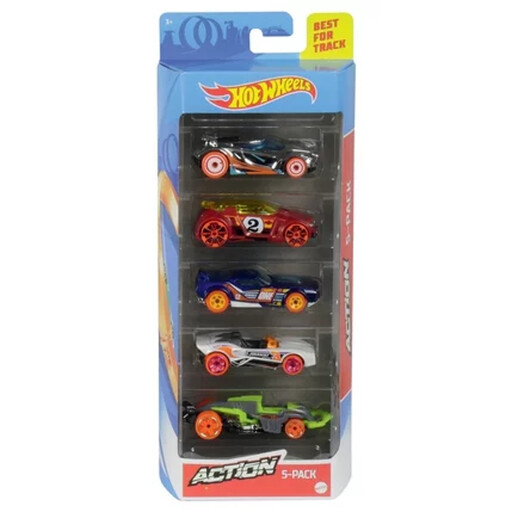
Why this product suits the profile: The set contains five 1:64 scale vehicles, making it a suitable introduction to collecting or a gift for children aged 3 and over.
The pack size is clearly stated. However, the specific vehicle selection is random, which should be taken into account before buying.
Five manually rolling metal-and-plastic vehicles, no batteries required, 1:64 scale.
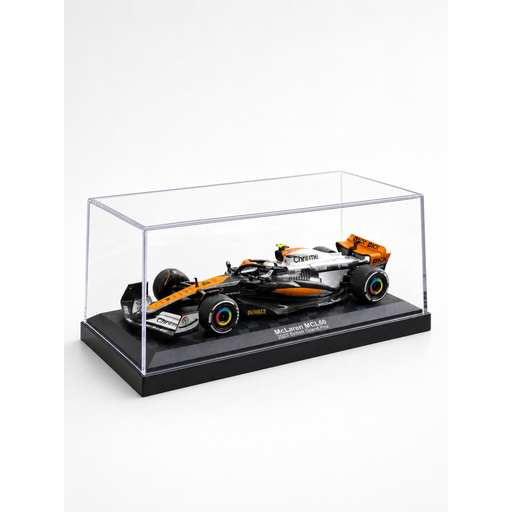
Why this product suits the profile: According to the product information, this model is aimed at collectors and motorsport fans aged 14 and over, and comes with a base and transparent acrylic cover.
The scale, age recommendation and contents are clearly specified. The acrylic cover helps reduce dust on the display surface.
Diecast body, 1:43 scale, racing paintwork with driver and racing number details, base and acrylic protection.
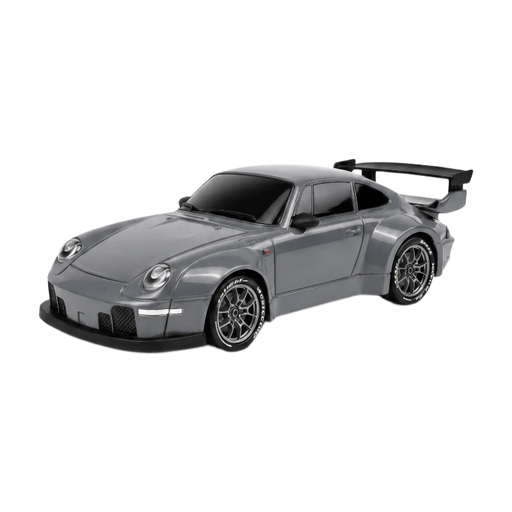
Why this product suits the profile: This RC drift car is designed for users who want to drive actively, drift and try different tyres on suitable surfaces.
The contents include a battery, USB charger, two types of tyres and accessories. This makes it easier to assess important ongoing costs and whether any components are missing.
Four-wheel drive, adjustable gyroscope, two speed settings, LED lighting and interchangeable tyres.
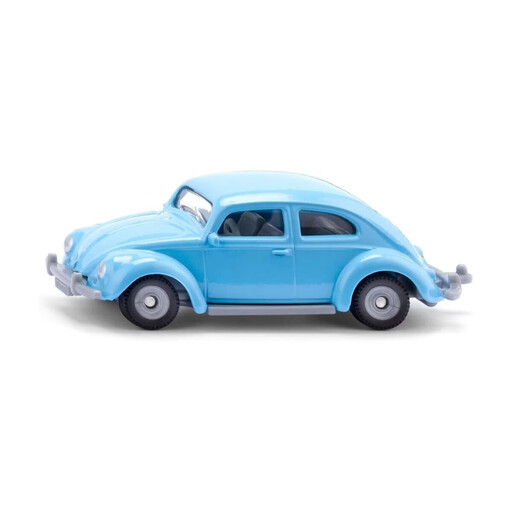
Why this product suits the profile: This VW Beetle model combines a classic vehicle design with the metal-and-plastic construction typical of SIKU and, according to the product information, is suitable for children aged 3 and over.
The information specifies the age recommendation, dimensions, material and warning. This allows buyers to compare the intended play and collecting uses in advance.
1:24 scale, metal body, rubber tyres and compact dimensions of approximately 7.8 centimetres in length.
We have put together a complete, regularly updated list of products that fully meet these strict selection criteria and the safety regulations applicable in the EU.
Suitable options include models with the appropriate age rating, a sturdy body and a manageable number of moving parts. According to the respective product information, SIKU vehicles such as the McLaren Senna, VW Beetle or a tow truck are intended for children aged 3 and over. However, warnings about small parts should still be observed.
For displaying many vehicles in a small space, 1:64 scale model cars are practical. 1:43, 1:44 or 1:36 models often show more visible detail and are better suited to individual display pieces. The key factors are the available display space, the collection theme and the level of detail you want.
In addition to the purchase price, you may need to pay for replacement tyres, batteries, charging accessories and damaged body parts. Before buying, check the battery type, charger, tyre options and availability of spare parts. Manual diecast or SIKU models, on the other hand, normally do not involve battery costs.