
Lieferung heute & morgen

Qualitätsgarantie

Willkommens-Angebote freischalten: KOSTENLOSE Lieferung | Bis zu 80 % RABATT | Kostenlose 30-Tage-JoyPlus-Testphase
App herunterladen
Choosing a model kit for adults can be the start of a captivating creative hobby. However, the market is flooded with products of widely varying quality. A promising-looking kit can quickly become a source of frustration. To avoid disappointment, it's crucial to know the most common pitfalls and understand which features truly matter.
This guide highlights the critical points that are often overlooked, helping you make an informed decision—whether for your own project or as a thoughtful gift for a hobbyist.
Many buyers focus primarily on the subject matter or packaging. However, the real problems only surface during assembly. Pay close attention to these three weak points:
To avoid the issues mentioned above, you should check three key aspects before purchasing. These will help you objectively assess the quality of a kit.
The material is the foundation of every model. Each has specific advantages and disadvantages that must suit the project.
The difficulty level should match your experience and available time.
Consider what you want to do with the finished model. Are you looking for a creative hobby for adults that results in a decorative piece, or a functional object?
Based on the criteria above, we have identified several products suitable for different types of users.
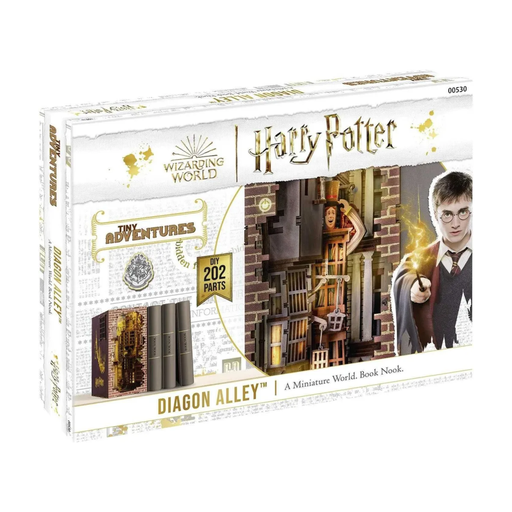
Why this model is a great fit: Ideal for Harry Potter fans looking for a decorative and thematic project. It transforms an ordinary bookshelf into a magical focal point and serves as a unique decorative object.
Revell's precisely manufactured plastic parts ensure a high degree of accuracy. The included comprehensive building instructions are clearly structured, preventing confusion during assembly.
Combines a creative building experience with a licensed, highly detailed diorama that serves as both a collector's item and a decoration. The 1:24 scale allows for impressive depth of detail.

Why this model is a great fit: Perfect for car model enthusiasts who value realism and high-quality materials. This collector's model offers an authentic replica of a modern classic.
The die-cast metal body avoids the problem of cheap plastic models. The parts are designed for a precise fit, ensuring a sturdy final product with a realistic feel.
Offers realistic details like opening doors and a detailed interior and exterior. The combination of metal and durable plastic parts makes it a long-lasting collector's piece.
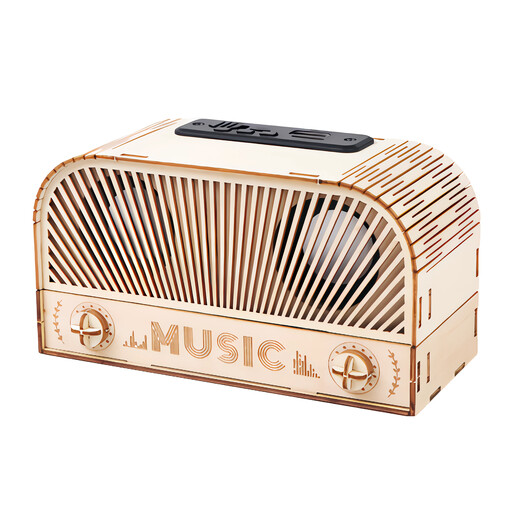
Why this model is a great fit: For anyone who wants to not only build but also create a functional device. This project combines craftsmanship with modern technology and has real-world utility.
The use of wood as the primary material provides a pleasant feel and an appealing aesthetic. The instructions are designed for assembling both the housing and the electronics to ensure a functional unit.
The result is more than just a model: it's a fully functional Bluetooth speaker. This provides a unique sense of satisfaction and makes it an exceptional gift for hobbyists.
We have compiled a complete, up-to-date list of products that fully meet these strict selection criteria and safety standards.
Most kits, especially push-fit systems made of wood or plastic, don't require any additional tools. For more advanced models, like detailed car kits, a small pair of side cutters for cleanly removing parts from the sprue, tweezers for small components, and possibly special model glue can be useful. Always check the product description, as required accessories are often listed there.
The assembly time varies greatly depending on the complexity and part count. A simple DIY kit with under 100 pieces can be completed in one to three hours. In contrast, a complex Book Nook kit or a detailed vehicle model with several hundred parts can take 10 to 20 hours or more. Plan for it as a project that can be spread over several evenings or a weekend.
Yes, many Book Nook kits are suitable for beginners, provided you are patient and work carefully. Most include detailed, illustrated step-by-step instructions. Models with integrated lighting also require simple wiring, which is explained in the manual. For a first project, a model with fewer than 150 parts is recommended.