For isolated dark areas, a compact, easy-to-position light is often enough; for a wider section of your layout, a larger bi-colour panel is a better choice. Start with low brightness, match the colour temperature to your subject and check the result in a test photo. A Kelvin rating alone doesn’t guarantee consistent colour rendering.
Which type of light is right for you?
Brighten shadows precisely
If you’re taking photos by a window and want to brighten dark areas without losing the direction of the daylight, a dimmable light in the right position can help. Godox also recommends its LEDP260C for macro and product photography.
Light up small details
For buildings, figures or vehicles, a light that you can position from different angles can be useful. Nikon suggests using a tripod for macro photography.
Match the colours
When window light and your lamp both fall on the scene, check the colour temperature on your subject and keep an eye on the white balance. Nikon explains that mixed lighting can affect colour balance.
What should you look for when buying?
First decide whether you want to brighten individual details or a wider section of your layout. Then you can choose a suitable mount, colour temperature and power supply for your setup.
| Criteria |
What to check before buying |
Who should consider it? |
| Brightening shadows |
Check that the light is dimmable and can be mounted so you can direct it precisely. |
If you want to brighten the darker side of your subject while keeping the direction of the window light, a light you can adjust finely is important; around 36% of consumers would prioritise shadow fill. |
| Matching colour temperature |
Check the bi-colour range and any available colour-rendering information, then test the result on your subject. |
If consistent colours matter to you when combining window and LED light, check the mix in a photo; around 28% of consumers would prioritise colour matching. |
| Size and positioning |
Make sure the light’s surface area, footprint and mounting options suit the framing you want. |
If you switch between small details and a wide landscape, the positions you can reach will determine the best setup; around 22% of consumers would prioritise coverage and positioning. |
| Power supply and accessories |
Check whether a power adapter, battery, charger and mount are included with the exact kit you’re considering. |
If the light will stay in one place or you plan to move it often, a ready-to-use setup matters; around 14% of consumers would consider the power supply and accessories first. |
Common buying mistakes
-
Comparing lux figures without checking the measurement distance
Illuminance figures only make sense when you know the measurement distance and settings. Figures taken under different conditions don’t provide a reliable basis for comparison.
Only compare figures when the distance is clear and the settings are similar. Also consider whether the panel size and actual distance from the subject suit your framing.
-
Assuming battery-powered means a battery is included
A light may support battery power even if the compatible battery isn’t included. Godox and NEEWER state that batteries must be bought separately for the versions described.
Check what’s included with the specific version and make sure the battery format, power adapter and mount suit your setup.
Depending on the kit, you may need to buy a battery, charger or tripod separately. Before buying, check which parts you already have for the setup you’re planning.
-
Expecting a small RGB light to replace a large panel
A compact light is easy to position for individual areas, but it isn’t necessarily designed to cover a wide landscape scene. RGB effects don’t replace suitable light distribution.
First choose the size and position of the area you want to light. Then decide whether extra colour modes will be useful for the way you want to shoot.
Key brands at a glance
Godox
The LEDP260C is a larger bi-colour panel that Godox also recommends for macro and product photography.
- Godox says you can adjust the colour temperature from 3,300 to 5,600 K; it supports mains and NP-F battery power.
- For battery power, the manual specifies NP-F970 batteries, which must be bought separately. Minimum brightness is limited at mid-range colour temperatures.
amaran
The P60x is a bi-colour photography panel with a colour temperature range of 3,200 to 6,500 K, according to amaran.
- The amaran manual lists 5,070 lux at 1 m and 5,600 K, and a CRI of 95+ as manufacturer specifications.
- The lux figure can’t be directly compared with lights measured at different distances or settings.
NEEWER
The NL660 is a bi-colour panel with a yoke and barn doors; what’s included can vary between versions.
- NEEWER lists a colour temperature range of 3,200 to 5,600 K, with mains or NP-F battery power.
- NEEWER says batteries aren’t included. Check whether you’re choosing a single panel or a kit with a tripod.
Ulanzi
The VL49 RGB is a small, rechargeable light for adding a little light to specific areas or creating deliberately colourful scenes.
- Ulanzi lists an adjustable range of 2,500 to 9,000 K.
- According to Ulanzi, battery life depends on the brightness setting. Its compact design doesn’t provide the same coverage as a large panel.
Walimex pro
The Niova 150 Bi Color is a compact light with a hot-shoe mount and 1/4-inch mounting thread.
- Walimex pro lists a colour temperature range of 3,200 to 5,600 K, with power from an NP-F battery or mains adapter.
- Whether a battery or mount is included depends on the kit version on offer, so check before buying.
Joybuy products for model railway photos
These Joybuy products are mainly for movable fill light to brighten individual details. The ring light has a different design from an LED panel.
 No image available
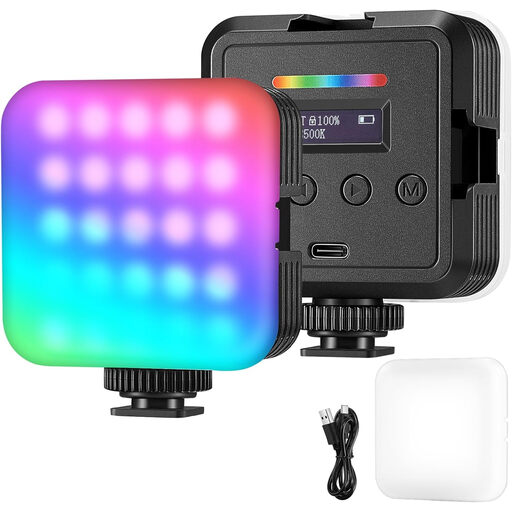
Portable RGB photo and video light
The portable design is a good option if you want to position the light in different places around your layout. Compare the version on offer with the lighting angle and setup you have in mind.
View at Joybuy
 No image available
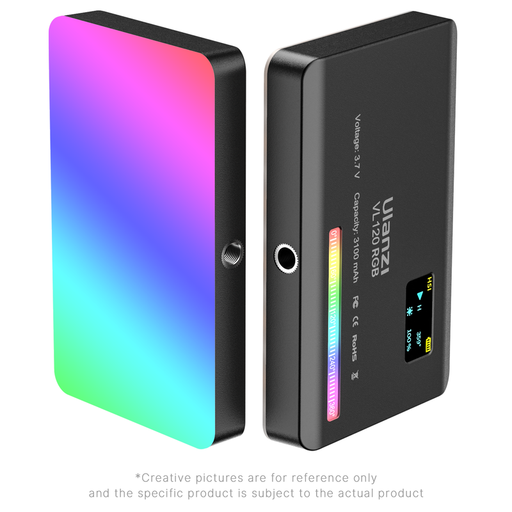
Ulanzi VL120RGB, black
This compact light is useful when you need to move the light around to highlight individual subjects. Check that the mount is suitable for the spot you have in mind on your layout.
View at Joybuy
 No image available
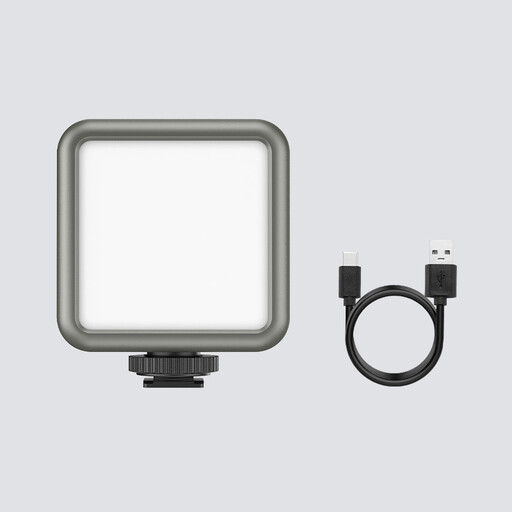
Ulanzi VL49 RGB, battery-powered light
The compact design is useful for adding light to small model details, but it won’t replace a large panel for a wide scene. Specifications include 2,000 mAh, 2,500–9,500 K and magnets.
View at Joybuy
 No image available
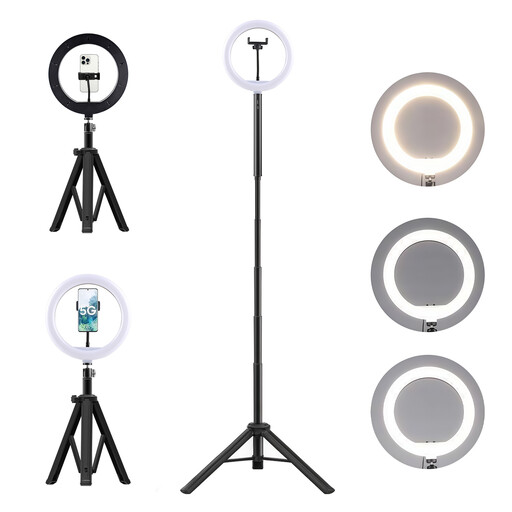
LED ring light with tripod
The ring light is an alternative design, not a panel. The product name lists a 10,000 mAh power supply and a floor-standing tripod; check that this version suits the space you have and the lighting angle you want.
View at Joybuy
Frequently asked questions
How should I position a panel next to a window?
Start by pointing it at the darker side of your subject. Gradually increase the brightness until the important details are visible, while keeping the direction of the window light as you want it. Check the position and brightness in a test photo.
Will the Kelvin setting make the colours consistent across the whole image?
No, not on its own. Match the colour temperature to your subject, then check the mix with a test photo and a suitable white balance. Nikon USA explains that mixed lighting can affect colour balance.
Will I need an extra battery or tripod?
It depends on the model and kit. The manual for the Godox LEDP260C specifies batteries that must be bought separately; NEEWER’s listed contents vary between the single panel and tripod kit. Also check that the mount will fit where you plan to take your photos.
What does CE marking mean when buying in Germany?
The relevant EU product safety rules apply to electrical lights. CE marking is required when the regulations applicable to that specific product call for it. Check the information provided for the product in question. CE marking alone isn’t an independent performance or quality test.
Who should I contact if my panel is faulty?
If there’s a fault, contact the seller first about your statutory rights. A voluntary manufacturer’s guarantee is separate; the rights you have in a particular case depend on the purchase and the fault.


