Model railway enthusiasts who photograph details
If you photograph weathered surfaces, carriage sides or underframes, position a light to the side and adjust its angle to bring out texture.


For individual weathered walls, vehicles or sections of track, a movable, dimmable continuous light with an adjustable beam direction is a good place to start. For larger sections of a layout, wider lighting that can be diffused when needed is more important. Side lighting can bring out texture, but it can also create harsh shadows and leave other details in the dark. Before buying, check the exact model variant and the EU requirements that apply to the specific product.
If you photograph weathered surfaces, carriage sides or underframes, position a light to the side and adjust its angle to bring out texture.
For landscape shots that include track and background, adjustable general lighting is important so you can illuminate more than a single detail.
If you take photos in different parts of your layout, flexible positioning and a light with an adjustable white tone are practical features to look for.
First, decide whether you mainly want to bring out individual textures or illuminate a larger section of your layout. The light angle, white tone and mounting options determine how easily you can adapt the lighting to your subject.
A good fit if: you want to light a small subject or dark area from the side.
Keep in mind: A small light won’t necessarily illuminate a larger section of a layout evenly; the angle and diffusion affect shadows and reflections.
A good fit if: you want to capture the landscape, track and background together, or match the white tone to existing lighting.
Keep in mind: The panel and its mount need space. Wider, softer light can reduce the shadows that help fine textures stand out.
A good fit if: you want to add coloured accents or create a particular mood alongside white lighting.
Keep in mind: If you need paint and material colours to look consistent between shots, coloured effects are no substitute for neutral white light.
| What you need | What to check when buying | Who it matters to |
|---|---|---|
| Texture and shadows | Check whether you can position and dim the light independently of the camera, and whether you can use a diffuser. | If I want to emphasise fine textures from the side, I need control over the light angle and shadows. Around 36% of consumers put visible surface texture first. |
| Consistent, true-to-life colours | Compare the white-light settings for the exact model variant, and keep the light sources and white balance as consistent as possible between comparable shots. | If I want paint, ballast and foliage to look similar across several images, adjustable white light matters more than colour effects. Around 29% of consumers prioritise consistent colours. |
| Wider composition | Check the illuminated area, available space, power supply and light output, including the stated measurement distance. | If I photograph the landscape, track and background together, I need general lighting that covers a wider area. Around 21% of consumers put broad coverage first. |
| Flexible positioning | Check compatible mounting options, battery life at the brightness you need, and whether a mains adaptor and batteries are included. | If I take photos in different parts of my layout, a light that’s quick to reposition matters more than maximum coverage. Around 14% of consumers prioritise flexible positioning. |
Side lighting can bring out texture, but it can also create harsh shadows that obscure other details in the image.
Start with the light positioned to the side, then adjust the angle and diffusion until both the texture and other important details are clear.
Light output for different lights may be stated at different distances and in different setups, so the figures aren’t always directly comparable.
Only compare figures measured on the same basis, and check how much of your photography area the light needs to cover.
Being able to use batteries doesn’t automatically mean they’re included; a mounting point doesn’t prove that a mount is supplied either.
Check the contents and mounting options for the exact model variant.
Batteries for optional battery-powered operation of the Rollei panel mentioned here are not included.
The LUMIS LED Panel Bi-Color is a larger panel for wider shots; the compact LUMIS lights have a different design.
The RM75 is a compact light for flexible positioning when lighting details or adding accents.
The VL49 RGB and VL119 light wand offer different options for compact or precisely positioned lighting.
The RGB660 PRO II is a larger panel for a setup with a key light and, if needed, a fill light.
The compact LED6R is an option for focused close-up or effect lighting.
Joybuy lights for model railway photography – from compact fill lights to bi-colour and RGB lights for detail and accent shots.
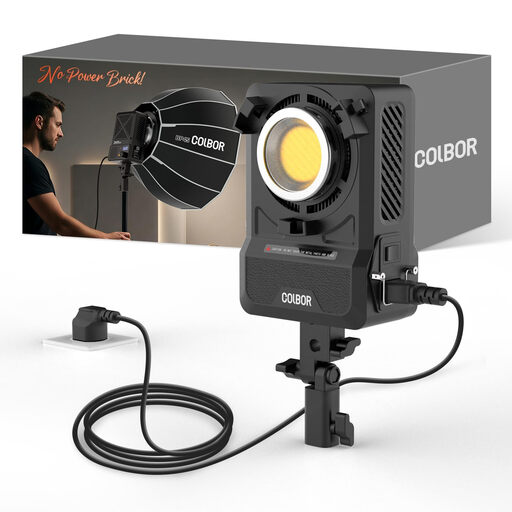 No image available
For setups that need a bi-colour continuous light with a Bowens mount.
200 W; colour temperature 2700K–7000K; Bowens mount; built-in power supply according to the product name.
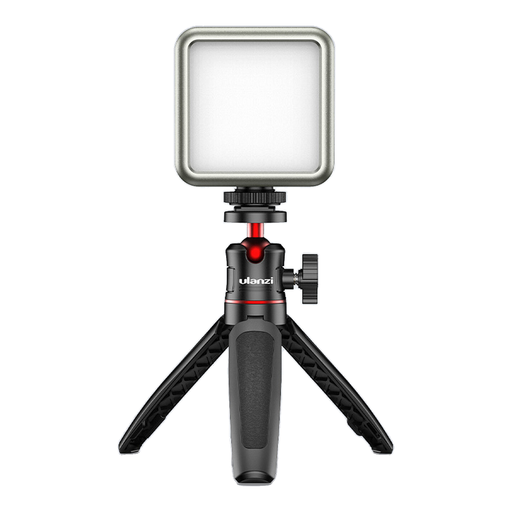 No image available
For close-ups where you want a compact, dimmable light with an adjustable colour tone.
2000 mAh battery; colour temperature 2500K–9500K; rear magnets according to the product name.
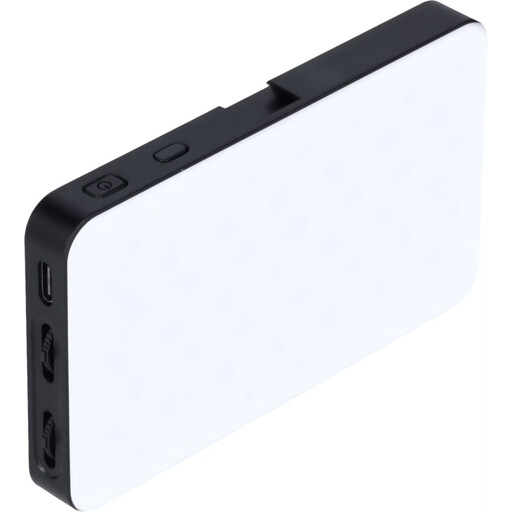 No image available
For a compact photo or video setup where you want to choose between RGB and bi-colour modes.
8 W; 360 colours; bi-colour; app control according to the product name.
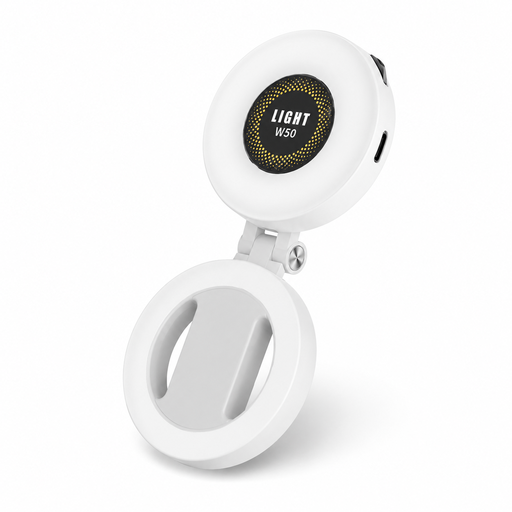 No image available
For photo and video shoots where you need a portable fill light with magnetic mounting.
360° LED lighting according to the product name; CRI95+ is stated in the product title.
 No image available
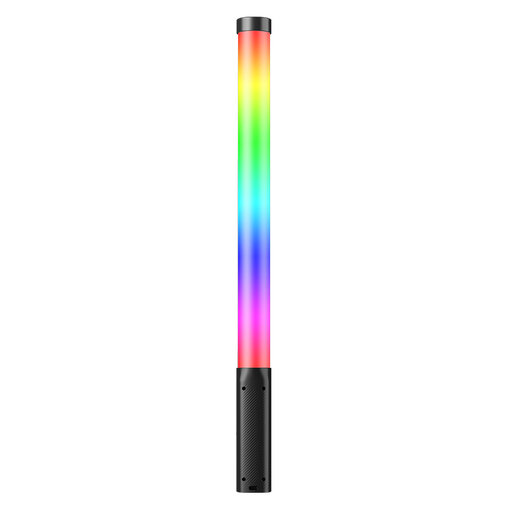
For focused accents when you want RGB colour and a wand-style light as well as white light.
10 W; 360 lux at 0.5 m; 3300 mAh battery; 2500K–9000K; 360° RGB according to the product name.
No. If you want side shadows to bring out texture, it can help to position the light separately from the camera. If the contrast is too harsh, adjust the light angle or diffusion and assess the result on your subject.
Keep the light sources and white balance as consistent as possible. If you’re also using the layout’s lighting, check whether you can adjust the video light’s white tone to match. A documented model railway setup by Wolkingen matches the camera’s white balance to the known colour temperature of the lighting.
Before buying, check whether compatible batteries, a mount and a power supply are included; batteries for optional battery-powered operation aren’t included with the Rollei panel reviewed here. When you buy consumer goods in the EU, you’re generally entitled to at least a two-year legal guarantee from the seller. Your Europe, the European Union’s information portal, explains how this differs from an additional commercial guarantee.
The relevant EU product requirements apply to each specific electrical product. Your Europe explains that CE marking is only required when the applicable harmonisation rules call for it; it isn’t an independent quality test. The German Environment Agency says that waste electrical equipment must not be put in household rubbish. Batteries should be disposed of separately if they can be removed without damaging the product.