
Lieferung heute & morgen

Qualitätsgarantie

Willkommens-Angebote freischalten: KOSTENLOSE Lieferung | Bis zu 80 % RABATT | Kostenlose 30-Tage-JoyPlus-Testphase
App herunterladen
A carefully chosen plant pot is more than just a container for a plant. It's a design statement in its own right, capable of significantly shaping the aesthetic of a room. A modern ceramic plant pot, in particular, blends natural elements with contemporary elegance. However, finding the perfect model that excels in both function and style can be a challenge.
This guide is here to help. As a Joybuy Product Recommendation Officer, I have compiled information to provide an objective basis for your decision. The goal is to help you find a planter that provides optimal care for your houseplants and integrates seamlessly into your interior design.
Before making a decision, a few practical considerations are helpful. The following criteria will assist you in selecting a product that meets both the needs of your plants and your aesthetic standards.
Although often used interchangeably, there are subtle differences between ceramic and stoneware. Stoneware is a type of ceramic fired at higher temperatures, making it exceptionally robust, waterproof, and durable. A stoneware cachepot is therefore a solid choice for indoor use. Look for a high-quality glaze that enhances the design and simplifies cleaning. Both materials provide a stable base for your plants and a pleasant, premium feel.
A crucial feature for plant health is the presence of a drainage hole. A plant pot with a hole prevents waterlogging, which can lead to root rot—one of the most common reasons houseplants fail. If you use a cachepot without a hole, ensure the inner nursery pot has drainage and that excess water is removed regularly. Size is also relevant: A large plant pot offers more room for the root growth of larger plants, while smaller pots are ideal for seedlings or succulents. The new planter for houseplants should be about 2-4 cm larger in diameter than the current root ball.
Designing a modern planter often means combining clean lines with special accents. A ceramic cachepot with gold elements or a white and gold ceramic pot can serve as a deliberate focal point without overwhelming the space. Such pots function as a decorative pot in the living room, on a dresser in the hallway, or as an elegant detail in the study. The choice of colour and finish—whether matte, glossy, or with a speckled texture—should harmonise with and complement your existing interior style.
Based on the criteria above, we have curated a selection of planters that stand out for their combination of design and functionality.

What makes it special: This large planter from Interiors by Premier combines a warm terracotta base with irregular gold speckles. According to the manufacturer, each piece is handcrafted, giving it a unique character. The speckled surface creates a dynamic texture that reflects light in interesting ways.
Advantages:
Who it's for: Ideal for those looking for a statement piece for their living or dining room. It pairs well with interiors featuring warm wood tones, but also serves as a striking contrast in minimalist settings.
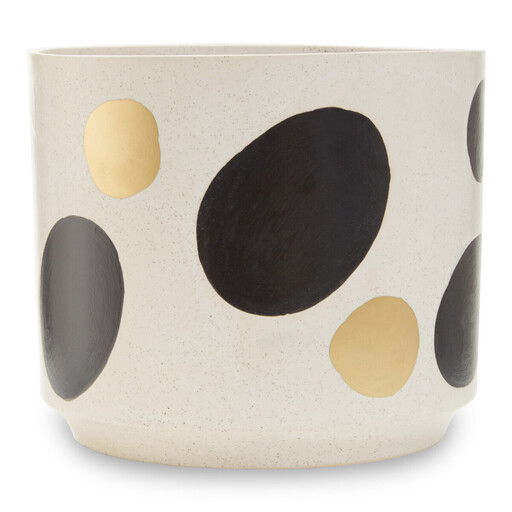
What makes it special: This model features a bright, welcoming aesthetic. The white base colour is complemented by black and gold speckles, creating a look that is both modern and timeless. The white and gold ceramic pot is versatile and brings brightness to any room.
Advantages:
Who it's for: An excellent choice for fans of Scandinavian or modern interior styles. The pot is elegant without being overpowering and pairs perfectly with green plants like a Monstera or a Fiddle-Leaf Fig.
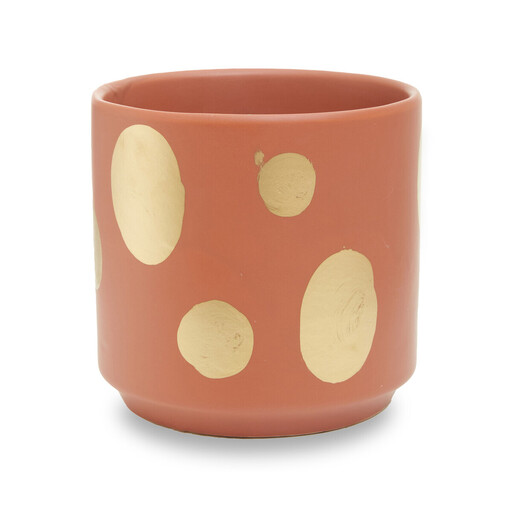
What makes it special: This smaller version offers the same appealing design as the first model but is designed for more compact spaces. The combination of terracotta and gold speckles makes this small pot a decorative highlight as well.
Advantages:
Who it's for: Suitable for anyone wanting to stylishly showcase smaller plants or create accents on side tables and shelves. It also serves as a great companion to the larger models in the same series to create a cohesive look.
The selection of planters is vast, and the choice is highly personal. If the models presented here don't fully meet your expectations, or if you're looking for other designs, sizes, or materials, there are more options to explore.
Explore our entire collection of luxury decorative planters and find the perfect piece for your home.
A planter is the pot in which the plant is directly potted with soil. It ideally has one or more holes at the bottom (drainage holes) so excess water can drain away. A cachepot is a purely decorative container without a hole, into which the planter is placed. It catches the draining water and protects furniture surfaces.
A common rule of thumb is that the new pot should be about 2 to 4 centimetres larger in diameter than the previous pot or the plant's root ball. A pot that is too large can cause the soil to stay wet for too long, increasing the risk of root rot. A pot that is too small will restrict root growth.
Yes, absolutely. The combination of the natural material of ceramic and the elegant sheen of gold pairs very well with modern interior styles. It creates an elegant contrast to minimalist furniture, complements an Art Deco style, or adds a warm, luxurious accent to an otherwise simple room. A ceramic cachepot with gold is a versatile decorative element.