
Lieferung heute & morgen

Qualitätsgarantie
App herunterladen
Kategorien
A modern ceramic vase is more than just a vessel for flowers. It acts as a standalone design object, shaping a room's aesthetic through its form, material, and texture. In particular, sculptural vases create deliberate focal points and enhance a contemporary interior style. Selecting the right model depends on an analysis of material properties, design language, and functional aspects. This article serves as a guide to help you identify the perfect decorative ceramic vase for your needs.
The decision to purchase a modern flower vase should be based on objective criteria. The following technical and design parameters are relevant for your selection.
Ceramic is an umbrella term for various inorganic, non-metallic materials. For modern decorative vases, dolomite, a specific type of ceramic, is often used. This material is notable for its relatively low weight while maintaining high structural integrity. It allows for the creation of complex, architectural forms, which are highly sought after in sculptural designs. The surface can be either matte or glazed, which affects light reflection and the tactile experience.
The texture of a vase contributes significantly to its visual impact. A ribbed vase, for example, creates a dynamic surface through the interplay of light and shadow, establishing a strong presence in the room even without flowers. Smooth surfaces, in contrast, appear calmer and more minimalist. The choice of texture should correspond with the existing surfaces in the room (e.g., wood grain, textiles) to create a cohesive aesthetic.
The dimensions of a vase determine where it can be placed. A large vase with a height of over 25 cm is suitable as a standalone piece on the floor, a sideboard, or a console table. Smaller models are ideal for side tables or shelving systems. The shape—whether cylindrical, bulbous, or a tiered sculptural vase—influences not only the aesthetic but also the type of flowers that can be arranged within it. Tall, narrow vases support long-stemmed flowers, while bulbous shapes are well-suited for lush bouquets.
Black and white are central elements of modern design. A black vase provides a bold, graphic counterpoint, especially in bright or colourful environments. It absorbs light and draws focus to its silhouette. A white vase, on the other hand, has a lighter feel and integrates seamlessly into minimalist concepts. It reflects light and can make a room appear brighter and more open. Both colour options provide a neutral base that accentuates the colours of flowers and foliage.
Based on the aforementioned criteria of design, material, and functionality, we present a few select models here. This selection focuses on the Fabia Vase series, which stands out for its characteristic tiered design.
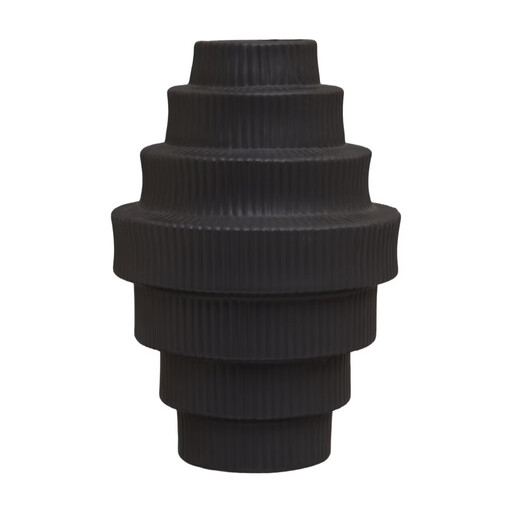
Why We Recommend This Product This model is distinguished by an architectural silhouette created by alternating, ribbed tiers. The black colour and matte finish emphasize its sculptural form, making the vase a standalone decorative object. With a height of 26 cm and a capacity of 2700 ml, it is designed for medium to large arrangements or as a solitary piece.
Advantages
Who It's For For those seeking a striking decorative object for a contemporary interior. The vase works equally well for displaying flowers or as a standalone sculptural element.
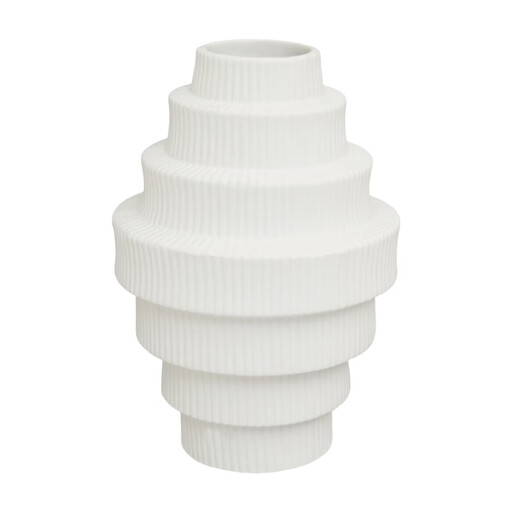
Why We Recommend This Product The white version of the Fabia vase offers the same structured, tiered form as the black model but creates a different spatial effect. The light colour reflects light, making the complex shape appear more subtle yet still present. It is an excellent option for minimalist or Scandinavian-inspired interiors.
Advantages
Who It's For For lovers of bright, textured design who are looking for an object that highlights texture and form without being colour-dominant.
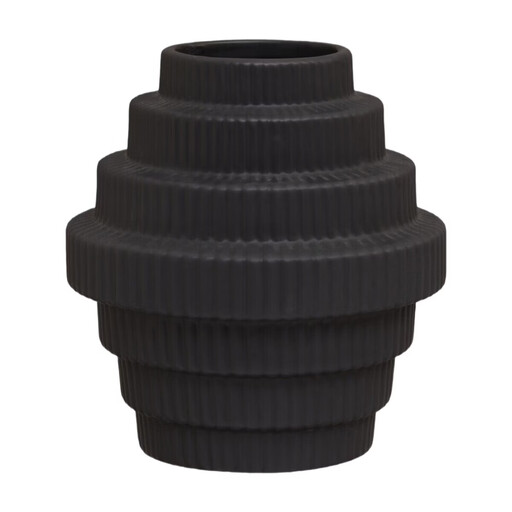
Why We Recommend This Product This smaller version retains the series' distinctive design but is significantly more compact with a height of 16 cm. It is perfectly suited for placement on shelves, side tables, or as part of a larger decorative ensemble. Despite its smaller size, the sculptural effect is maintained by the ribbed tiers.
Advantages
Who It's For For individuals who want to create targeted accents in smaller spaces or are looking for a complement to existing larger decorative elements.
If the vertical, sculptural form of the Fabia series doesn't meet your needs for a specific arrangement, shallower vessels offer an alternative. For floral arrangements or floating blossoms, for example, models from our Flower Bowl category are suitable.
1. What defines a modern ceramic vase? A modern designer vase is characterized by a clean design language, a focus on material and texture, and often a minimalist colour palette. Instead of playful ornamentation, the focus is on geometric or abstract-organic, sculptural forms. It often functions as a standalone art object, even without flowers.
2. How do you clean a matte, ribbed ceramic vase? According to the manufacturer's instructions for the featured products, wiping with a soft, damp cloth is sufficient. For structured or ribbed surfaces, a soft brush can help remove dust from the crevices. Abrasive cleaning agents should be avoided to prevent damage to the matte surface.
3. Does a black vase fit into any interior? A black vase is a strong statement piece. In minimalist, bright, or monochromatic interiors, it creates a deliberate counterpoint and defines visual anchor points. In very dark or small rooms, it can appear overpowering unless used specifically to create a dramatic, deep atmosphere. Its impact heavily depends on the surrounding colour and lighting scheme.