
Lieferung heute & morgen

Qualitätsgarantie

Willkommens-Angebote freischalten: KOSTENLOSE Lieferung | Bis zu 80 % RABATT | Kostenlose 30-Tage-JoyPlus-Testphase
App herunterladen
Choosing the right chair is a decision that impacts your comfort and aesthetics for years to come. However, the market for modern chairs is filled with alluring designs that often overpromise and underdeliver. Many buyers only realise after a few months that their new chair is uncomfortable, shows material weaknesses, or is unsuitable for its intended purpose. This guide will show you what to look for to avoid common purchasing pitfalls and make an informed decision.
Before exploring specific models, it's crucial to understand the typical problems that lead to dissatisfaction.
To avoid the pitfalls mentioned above, you should examine three core areas before making a purchase. These objective criteria will help you distinguish quality from mediocrity.
The material determines not only the look but also the durability and maintenance requirements.
Especially for a home office desk chair, individual adjustment options are crucial for comfort and health.
Every chair should have a specified maximum load capacity in kilograms. This value, tested by the manufacturer, is a key indicator of the construction's robustness. A solid office chair should have a load capacity of at least 120 kg. For dining or lounge chairs, this figure also provides insight into the stability of the frame and its joints.
Here are some recommendations tailored to specific use cases and requirements.
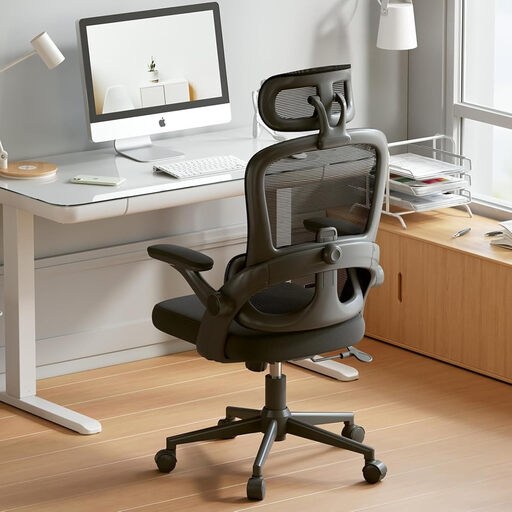
Why it's a great fit: Ideal for individuals who spend many hours at their desk daily. The comprehensive adjustment options and breathable mesh fabric are designed for long-lasting comfort and healthy posture.
This model sidesteps the "false ergonomic claims" trap with specifically named, adjustable components like the 3D armrests and the separately adjustable lumbar support with a 6 cm range.
Comprehensive adjustability for precise ergonomic alignment; high load capacity of up to 136 kg.
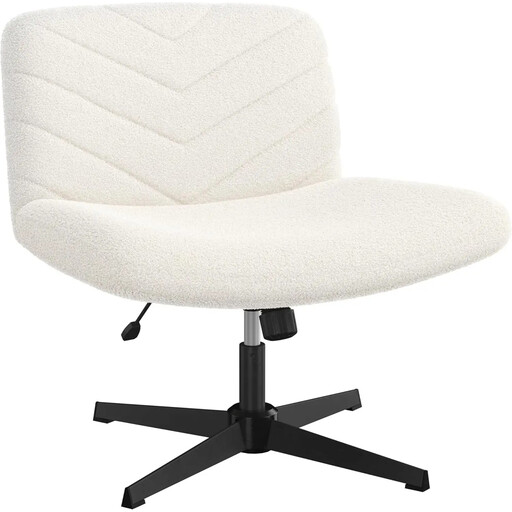
Why it's a great fit: Perfect as a stylish **accent chair for a bedroom** or creative workspace. The ivory bouclé fabric and armless design make it a statement piece, while the wide seat allows for flexible postures like cross-legged sitting.
This model avoids the "design over function" trap by serving a clear purpose. It's not an 8-hour office chair, but a comfortable design chair. The stable, X-shaped metal frame with a 3 mm wall thickness prevents material defects.
The combination of a wide seat for varied postures and a stable, floor-friendly frame without castors.
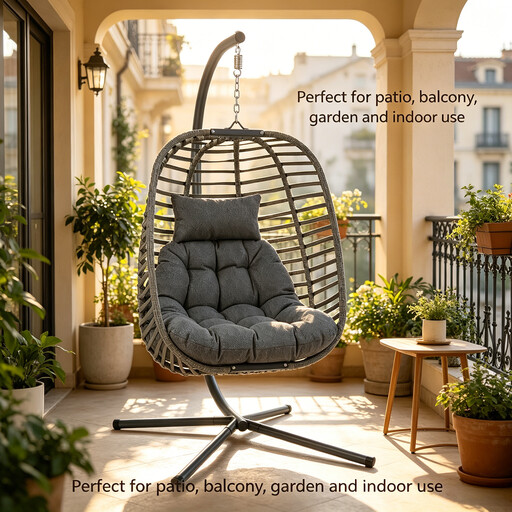
Why it's a great fit: This **hanging chair with stand** creates a private oasis on a balcony or patio. It is specifically designed for outdoor use and offers a high level of comfort with thick cushions, rivalling an indoor **lounge chair**.
The model avoids the material flaws trap by using explicitly designated outdoor materials: the frame is made of steel, the basket of PE rattan, and the covers of Olefin fabric. These are designed for weather resistance.
Weather-resistant construction and a foldable structure for easy off-season storage.
We have compiled a complete, up-to-date list of products that fully meet these strict selection criteria and applicable safety regulations.
Proper care depends on the material. Mesh and plastic surfaces can be easily cleaned with a damp cloth and mild soap solution. For fabric upholstery like bouclé, regular vacuuming with a soft brush attachment is recommended. Stains should be treated immediately with a slightly damp cloth and a suitable upholstery cleaner. Metal frames should be kept dry and wiped with a soft cloth to protect the finish.
A true ergonomic chair can be adjusted to the user's body. Essential features include seat height adjustment, a backrest that supports the natural S-curve of the spine (ideally with adjustable lumbar support), and adequate seat depth. For intensive home office use, height- and width-adjustable armrests and a synchronous or tilt mechanism to encourage movement are also highly recommended.
The lifespan heavily depends on material quality, construction, and frequency of use. A budget chair with low-quality components may show significant wear and tear after just 1-2 years. A high-quality chair with a robust metal or solid wood frame and durable upholstery can last 5 to 10 years or more with proper care. Investing in quality pays off through a longer lifespan and better comfort.