
Lieferung heute & morgen

Qualitätsgarantie

Willkommens-Angebote freischalten: KOSTENLOSE Lieferung | Bis zu 80 % RABATT | Kostenlose 30-Tage-JoyPlus-Testphase
App herunterladen
A carefully chosen modern decorative vase can completely define the atmosphere of a room. It's more than just a container for flowers; it's a standalone design object. However, the market is flooded with products whose appearance promises more than their quality can deliver. Before you make a decision, it helps to know the most common pitfalls to avoid disappointment.
Common Problems When Choosing a Decorative Vase:
To make an informed decision, you should examine three key parameters: material, dimensions, and finish.
The choice of material affects not only the look but also the vase's stability and functionality.
The vase's proportions must suit its intended location. A large flower vase over 40 cm tall looks best on the floor or a low sideboard. For a dining table, models between 20 and 30 cm in height are usually more suitable, as they don't obstruct eye contact.
The opening of the vase is just as important. A narrow opening supports single stems or a few flowers, while a wide opening is needed for lush bouquets or bushy arrangements like artificial tulips.
With two-tone vases, especially the black-and-gold combination, the type of finish is a key quality indicator. Electroplated or powder-coated surfaces are generally more durable and scratch-resistant than simple paint jobs. Check that the colour transitions are cleanly executed and the surface appears uniform.
Here are some recommendations tailored to specific needs and style preferences.
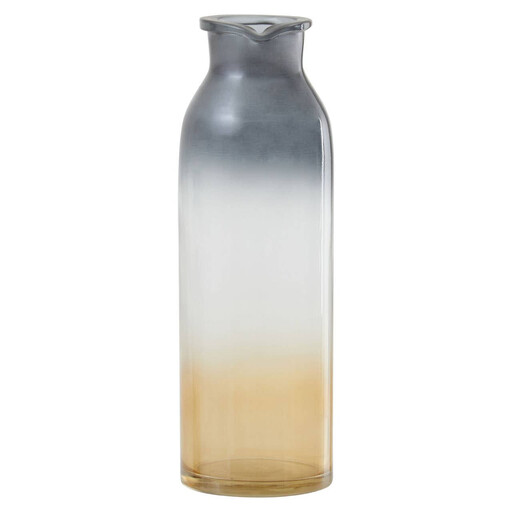
Why it's a match: This model perfectly captures the current black-and-gold aesthetic trend. The flowing colour transition makes it a modern eye-catcher that integrates well into contemporary living concepts.
The material is clearly declared as 100% glass, providing transparency about its composition. The ombré effect is a deliberate design feature, not a simple, opaque paint job.
The horizontal gradient of gold and black creates an elegant and balanced look. Its medium size (H24.5 cm) is versatile enough for tables and shelves.
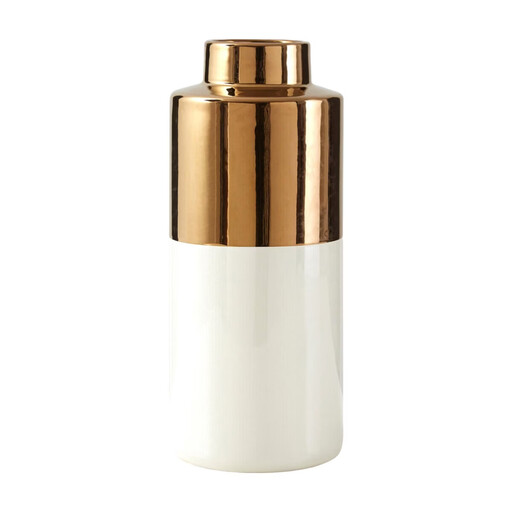
Why it's a match: For anyone who appreciates a touch of boutique-style luxury. The combination of reflective gold and crisp white on smooth porcelain looks elegant and high-end without being overstated.
This piece uses genuine porcelain, a dense and durable material. This avoids the disappointment of a simple "ceramic-look" and ensures a premium feel and appearance.
The bulbous shape with a short, round neck gives the vase a sculptural quality. At 34 cm high, it has an impressive presence for sideboards or console tables.
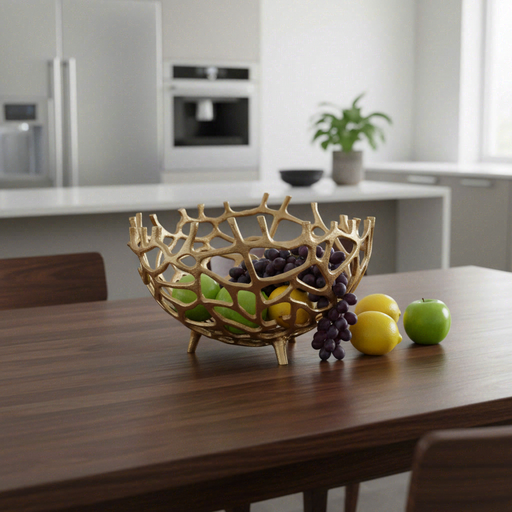
Why it's a match: For those seeking an extraordinary object instead of a classic vase. This gold decorative bowl in a coral design is a work of art in itself and a guaranteed conversation starter.
The product is crafted from hand-cast aluminium. This robust material ensures that the delicate, openwork structure is stable and won't easily break, unlike cheaper plastic alternatives.
The intricate design with its textured surface adds a touch of glamour to any table. The bowl works as a standalone decorative object or for holding other decorative items.
We have compiled a complete, up-to-date list of products that meet these strict selection criteria and quality standards.
How do I clean a decorative vase with a gold or black finish? To care for metallic or coloured surfaces, it is recommended to use a soft, dry cloth. If necessary, the cloth can be slightly dampened. Be sure to avoid abrasive cleaners, hard brushes, or aggressive chemical agents, as these can damage the finish.
What size vase is suitable for a dining table? For harmonious modern table decor, a vase height of 20 to 30 cm is often a good choice. This ensures the vase is a beautiful accent without blocking the view of people across the table. The diameter should be in reasonable proportion to the table size to avoid a cluttered look.
Can I use artificial flowers in any vase? Yes, artificial tulips and other faux flowers are extremely flexible. Since they don't require water, they can be placed in vases of any material, including those not declared as 100% waterproof. This opens up additional decorative possibilities, for example, with porous ceramic vases or purely decorative objects.