
Lieferung heute & morgen

Qualitätsgarantie

Willkommens-Angebote freischalten: KOSTENLOSE Lieferung | Bis zu 80 % RABATT | Kostenlose 30-Tage-JoyPlus-Testphase
App herunterladen
Buying furniture online offers a huge selection and convenient delivery, but it also comes with risks. Product photos can be deceiving, and promises of functionality sometimes prove to be short-lived. To help you make an informed decision, we'll highlight the most common pitfalls and show you which objective criteria are essential for your selection.
Before you click "Buy," you should be aware of these potential problems, which often only become apparent after delivery.
To avoid these pitfalls, focus on verifiable technical specifications rather than marketing promises.
The longevity of a piece of furniture depends directly on its material. Look for precise details:
For functional furniture, the quality of the moving parts is decisive.
Measure not only the footprint but also the "usage space." Plan for at least 50–60 cm in front of cabinet doors. For a desk chair, you need enough space to roll back. For furniture with storage, like beds with drawers, there must be enough room to pull the drawers out completely.
Here are some product suggestions tailored to specific needs that take the above criteria into account.
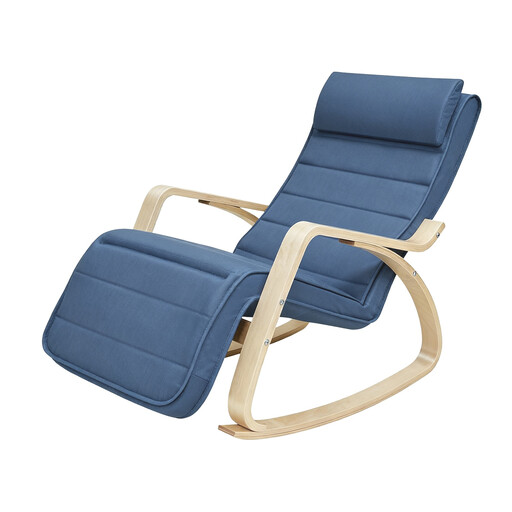
Why This Fits Their Persona: Ideal for those looking to add a design accent to their living room or bedroom. The clean Scandinavian design combines aesthetics with comfort, making the chair an eye-catcher that not only looks good but also invites relaxation. A modern take on the rocking chair.
The construction of birch wood combined with a metal frame ensures high stability and a load capacity of up to 150 kg. This directly addresses the pitfall of unstable furniture.
The 5-position adjustable footrest allows for individual seating comfort. The cotton cover is removable and washable, which simplifies maintenance.
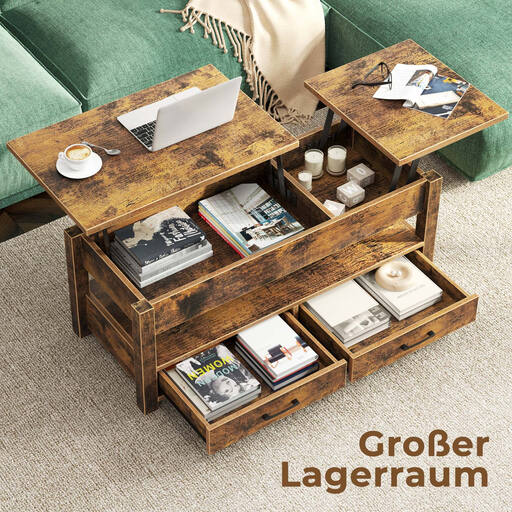
Why This Fits Their Persona: Perfect for small apartments or multifunctional living areas. This table serves as a coffee table, workspace, and dining table all in one, while also offering clever hidden storage. An ideal solution for anyone seeking space-saving furniture with maximum utility.
It uses a high-quality gas-lift support mechanism that ensures the tabletop lifts and lowers smoothly and quietly. This avoids the pitfall of quickly wearing out or jamming lift mechanisms.
The split lift-top allows for simultaneous use by multiple people. Extensive storage is provided by 2 hidden compartments, 2 drawers, and an open shelf.
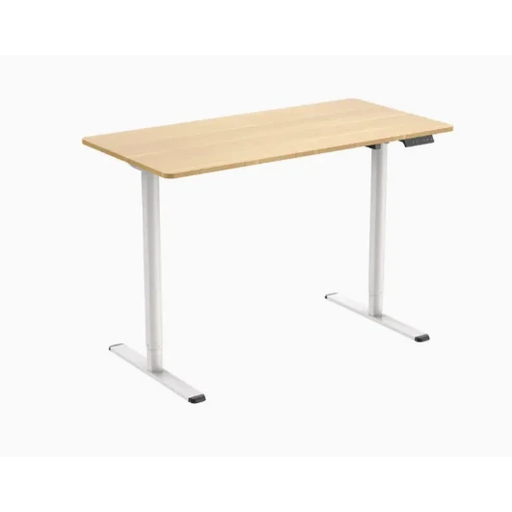
Why This Fits Their Persona: Essential for a modern home office setup. This desk allows for an easy switch between sitting and standing, which promotes workplace ergonomics. Ideal for long workdays and preventing posture-related issues.
The sturdy frame is designed for a load of up to 60 kg, and the electric lift mechanism ensures smooth movement. This prevents the instability that can occur with cheaper manual or low-quality electric models.
The electric height adjustment from 73 cm to 118 cm with four memory presets allows for quick and personalized settings. The generous tabletop (120 x 60 cm) offers plenty of space.
We have compiled a complete, up-to-date list of products that fully meet these strict selection criteria and German safety regulations.
1. How do I judge the stability of furniture I buy online? Look for specific details in the product description. Key indicators are the maximum load capacity (in kg), the material thickness (e.g., of the tabletop or shelves in mm), and the description of the frame (e.g., "metal frame," "solid wood base"). Customer reviews that explicitly mention stability can also be helpful.
2. What is "engineered wood" and is it a good choice? Engineered wood, such as MDF (Medium-Density Fiberboard) or particleboard, is made from compressed wood fibers or chips. It is a cost-effective and dimensionally stable alternative to solid wood. For good quality, look for the E1 standard, which guarantees low formaldehyde emissions. For heavily used furniture like dining tables or chairs, solid wood is often the more durable choice, while engineered wood is very suitable for shelves or cabinet bodies.
3. How do I properly care for furniture with special surfaces (e.g., high-gloss, veneer)? Always read the manufacturer's care instructions. As a general rule: use a soft, slightly damp cloth and avoid harsh cleaning agents or abrasive sponges, as they can scratch the surface. For wood veneers or lacquered surfaces, spills should be wiped up immediately to prevent them from penetrating the material.