
Lieferung heute & morgen

Qualitätsgarantie

Willkommens-Angebote freischalten: KOSTENLOSE Lieferung | Bis zu 80 % RABATT | Kostenlose 30-Tage-JoyPlus-Testphase
App herunterladen
A clean, well-organised kitchen is the foundation for culinary joy and a hygienic home. However, the market for kitchen appliances is flooded with promises that often fall short. Many products turn out to be impractical, difficult to clean, or made from low-quality materials. The result is cluttered cupboards and frustration instead of the convenience you were hoping for.
Before making a purchase, it's crucial to recognise common pitfalls. Pay special attention to these three points:
easy kitchen cleaning impossible.To make an informed decision, you should focus on objective criteria that guarantee durability, safety, and functionality.
For any surface that comes into contact with food, the choice of material is critical for ensuring you can cook hygienically.
food-safe cleaner is often all that's needed for their upkeep.Efficient kitchen appliances not only save time during food prep but also during the subsequent cleanup.
portable cooktop with a continuous glass-ceramic surface is a prime example.kitchen steam cleaner, offer self-cleaning functions that ensure consistent hygiene with minimal effort.A clean kitchen also means effectively managing waste and odours. Modern solutions help to reduce kitchen waste and prevent unpleasant smells from developing in the first place. Systems with activated charcoal filters or high-temperature drying neutralise odours before they can spread, contributing to a fresher home environment.
Instead of offering a one-size-fits-all recommendation, we have identified products tailored to specific needs and household types.
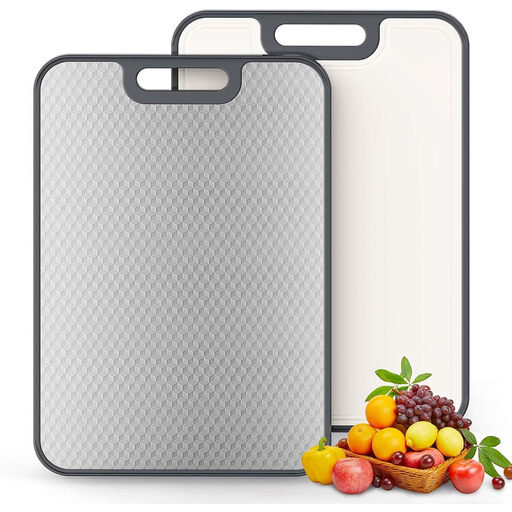
Why This Fits Their Persona: Ideal for those who want to strictly avoid cross-contamination. The separation of meat (stainless steel side) and vegetables (plastic side) supports hygienic food preparation practices.
It bypasses the inferior materials trap by using food-grade stainless steel and wheat straw PP. Its dishwasher-safe design also avoids the complicated cleaning pitfall.
Dual-sided design to minimise cross-contamination. The stainless steel side is odour- and stain-resistant, while the textured PP side is gentle on knife blades.
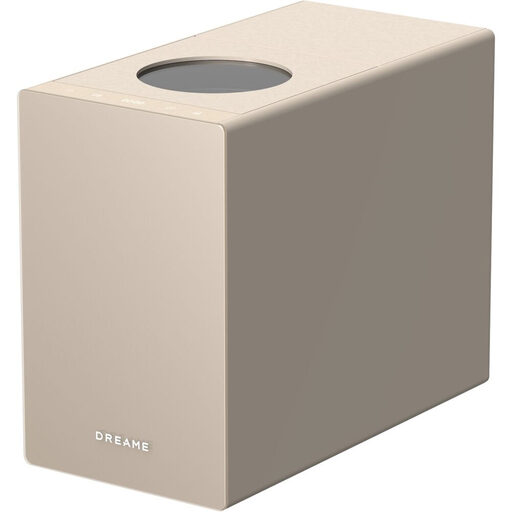
Why This Fits Their Persona: Perfect for households looking to minimise kitchen waste and odours. The device transforms food scraps into a dry, low-odour substance, significantly reducing waste volume.
This is a highly specialised device that excels at one task, thus avoiding the 'jack-of-all-trades' trap. The automatic high-temperature cleaning function solves the problem of laborious cleanup.
Reduces waste volume and odours through drying and grinding. The activated charcoal filter neutralises odours during operation, and the system runs quietly.
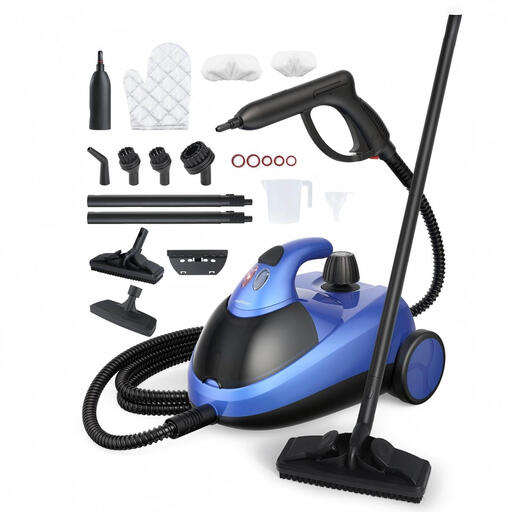
Why This Fits Their Persona: Ideal for anyone who wants to remove stubborn dirt and grease in the kitchen without using chemicals. Suitable for floors, grout, extractor hoods, and worktops.
As a specialised kitchen steam cleaner for this and other areas, it focuses on one core function: powerful cleaning. It solves the problem of stubborn grime without resorting to an arsenal of potentially harsh cleaning agents.
The high steam pressure of 4 bar and a temperature of 145°C effectively dissolve grease and grime. The large 1500 ml water tank allows for longer cleaning sessions without refilling.
We have compiled a complete, up-to-date list of products that fully meet these strict selection criteria and rigorous safety standards.
The frequency of use depends on how intensively you cook. For basic hygiene, a weekly application on floors and worktops is recommended. After cooking particularly greasy foods, a targeted cleaning of the hob and extractor hood is advisable to prevent build-up.
Modern units are designed for quiet operation. Models like the ROUNY Food Waste Disposer operate at a noise level of ≤50 dB, which is comparable to a quiet conversation or a modern refrigerator. They typically do not disrupt the normal kitchen environment.
You can identify a hygienic cutting board by its material and construction. Non-porous materials like stainless steel or high-quality, dense plastic (PP) are advantageous as they don't absorb liquids or bacteria. Look for "food-safe" labelling and ensure the board is dishwasher-safe to allow for thermal disinfection. A dual-sided design offers an additional layer of safety.