Choosing the right lighting is crucial for a room's atmosphere. However, the market for modern lamps is filled with products whose appealing designs often mask functional shortcomings or poor quality. Many buyers invest in a light fixture only to find it's unsuitable for its intended purpose. This guide will help you identify common pitfalls and make an informed decision that balances both design and functionality.
Common Pitfalls When Buying Lamps
Before you make a purchase, you should be aware of three common problems that often only become apparent after installation:
- Inappropriate Lighting Ambiance: A lamp is often selected based on its appearance alone. The result is frequently a light colour (measured in Kelvin) that is either too cool and sterile or too dim and impractical for the space. A living room floor lamp that emits harsh, cold light will destroy any sense of cosiness.
- Missing or Impractical Features: A modern design isn't enough on its own. A light without a dimming function can be too bright in many situations. A bedside lamp without a USB charging port is a missed opportunity to make the best use of space. Such functional deficits significantly reduce its everyday usability.
- Unstable Construction and Inferior Materials: Stability is often a problem, especially with budget-friendly models. A wobbly LED arc floor lamp poses a safety hazard, while low-quality finishes can quickly show scratches or discolour, compromising the lamp's aesthetic appeal.
What Really Matters When Making Your Selection
To avoid a bad purchase, you should focus on objective criteria that go beyond pure design. These three parameters are crucial for the longevity and functionality of your new lamp.
1. Light Quality: Kelvin, Lumens, and Colour Rendering (CRI)
The quality of light determines how a room is perceived. Pay attention to the following values:
- Light Colour (Kelvin): This value indicates whether the light is warm or cool. For living rooms and bedrooms, Warm White (under 3,300 Kelvin) is suitable as it creates a cosy atmosphere. Neutral White (3,300 to 5,300 Kelvin) is ideal for workspaces or kitchens. Daylight White (over 5,300 Kelvin) promotes concentration but can feel uncomfortable in living areas. Lamps with a CCT (Correlated Color Temperature) function allow for flexible adjustment of the light colour.
- Brightness (Lumens): Lumens are the unit of measurement for luminous flux and indicate how bright a lamp shines. As a guideline for basic lighting in a living area, 100 to 150 lumens per square metre are recommended. A dimmable table lamp or floor lamp offers the flexibility to adjust the brightness as needed.
- Colour Rendering Index (CRI): A high CRI value (above 80, ideally above 90) ensures that colours in the room are rendered naturally and accurately.
2. Functionality and Smart Features
Modern lighting can do more than just illuminate. Check which features are relevant to you:
- Dimmability: A stepless dimming function offers maximum control over light intensity. Simpler models often provide three brightness levels.
- Smart Lighting: Integration into smart home systems like Amazon Alexa or Google Assistant allows for control via voice or app. Features like schedules, colour changes (RGB), or synchronisation with music significantly expand the possibilities.
- Additional Features: A bedside lamp with a USB port for charging devices or a light with an integrated shelf offers practical added value and helps maintain order.
3. Material, Style, and Lamp Type
The choice of material affects not only the appearance but also the durability.
- Styles: Whether it's an industrial-style lamp made of black metal, a modern wooden lamp with a Scandinavian design, or a minimalist black wall light – the style should complement your existing decor.
- Materials: Solid metal ensures stability, especially for a tall LED arc floor lamp. Wood creates a warm, natural look. Lampshades made of fabric or paper diffuse the light softly and without glare.
- Lamp Types: Consider what type of lighting you need. A floor lamp is suitable for zone lighting, a wall light for indirect light, and a table lamp for focused light at a workspace or on a bedside table.
Tailored Picks For You
Here are some recommendations tailored to specific user profiles and their requirements.
IDEAL FOR: Budget-Conscious Decorators
Why this model is a great fit: This 2-pack offers high practical value for an affordable price. Ideal for bedrooms or as side lamps in the living room where functionality is a priority.
How It Avoids the Pitfall
Bypasses the "missing functionality" trap by integrating two USB charging ports (USB-A and USB-C) and a 3-level touch dimming function directly on the metal base.
Key Advantage & Pro
Combines lighting and a charging station in one compact design. The fabric shade provides soft, glare-free light.
IDEAL FOR: Tech and Design Enthusiasts
Why this model is a great fit: For users who want full control and a modern, minimalist design. This lamp is a central component for dynamic and customisable interior design.
How It Avoids the Pitfall
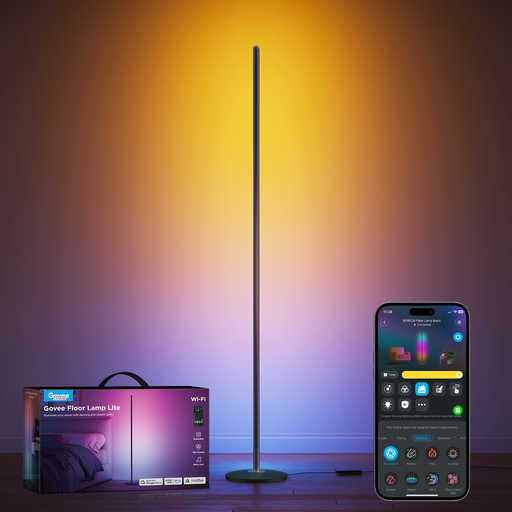
Solves the problem of "inappropriate lighting ambiance" with RGBIC technology, offering 16 million colours and 58 preset scene modes. The atmosphere can be perfectly tailored to any situation.
Key Advantage & Pro
Full integration into smart lighting systems (Alexa, Google Assistant) and app control, including a music synchronisation mode.
IDEAL FOR: Lovers of Natural Ambiance
Why this model is a great fit: Perfect for anyone looking to create a warm, inviting atmosphere with natural materials. The Japanese-inspired design blends harmoniously into Scandinavian or nature-inspired interiors.
How It Avoids the Pitfall
Addresses the "unstable construction" problem with a sturdy tripod frame made of bamboo, ensuring a secure footing. The paper shade also produces a very soft, diffused light.
Key Advantage & Pro
Combines natural materials (bamboo, paper) with a stable design. Creates an especially soft and warm light, ideal for a cosy reading nook.
Looking for more options?
We have compiled a complete, up-to-date list of products that fully meet these strict selection criteria and UK safety regulations.
Frequently Asked Questions (FAQ)
How many lumens do you need for a living room?
As a general rule of thumb for comfortable ambient brightness in a living room, 100 to 150 lumens per square metre is recommended. For a 20 m? living room, that would be between 2,000 and 3,000 lumens. This brightness should ideally be distributed across multiple light sources – a ceiling light for general illumination, supplemented by a living room floor lamp and a table lamp for accent lighting and reading nooks.
What is the difference between warm white and cool white light?
The difference lies in the colour temperature, measured in Kelvin (K).
- Warm White (under 3,300 K): Produces a yellowish, cosy light, similar to a traditional incandescent bulb. Ideal for living rooms and bedrooms.
- Neutral White (3,300 K – 5,300 K): A clean, white light that promotes concentration. Well-suited for kitchens, bathrooms, or workspaces.
- Cool White (over 5,300 K): Appears bluish and resembles daylight. It is often used in work environments or functional spaces like garages. Modern lamps with CCT (Color Changing Temperature) functionality offer the advantage of flexibly adjusting the colour temperature as needed.
How long does a modern LED lamp last?
The lifespan of permanently installed LEDs in modern lamps is a significant advantage. It typically ranges between 20,000 and 50,000 operating hours. With an average use of four hours per day, this corresponds to a lifespan of over 13 to 34 years. This makes LED lamps a long-term, economical, and low-maintenance lighting solution.