
Lieferung heute & morgen

Qualitätsgarantie

Willkommens-Angebote freischalten: KOSTENLOSE Lieferung | Bis zu 80 % RABATT | Kostenlose 30-Tage-JoyPlus-Testphase
App herunterladen
Choosing the right lighting is crucial for a room's atmosphere. A modern LED ceiling light can transform a space, but the market is flooded with options that don't always live up to their promises. Many buyers face problems that only become apparent after installation. To make an informed decision, it helps to know the most common pitfalls.
These primarily include:
dimmable LED lamp advertised as "dimmable" flickers when connected to the existing wall switch or can't be adjusted at all because the technology is incompatible.To avoid these mistakes, a basic understanding of the technical specifications is helpful. Instead of focusing solely on design, three key figures should be considered.
modern bedroom light should fall within this range.The ability to adjust light intensity significantly enhances home comfort. However, a dimmable LED lamp is not automatically compatible with every dimmer. It's crucial to check whether the light is designed for leading-edge or trailing-edge dimmers and whether the existing dimmer is suitable for LEDs.
Smart home lighting offers even more flexibility. Such lights can be controlled via an app or voice command (e.g., through Alexa or Google Home). Here, not only the brightness but often also the colour temperature can be seamlessly adjusted. This solves the problem of the "wrong" light colour from the outset, as the light can be adapted to any situation at any time.
The right light depends heavily on individual needs and interior design style. Whether it's a modern pendant light for the dining area or a simple black ceiling light for the hallway – here are some recommendations for different profiles.
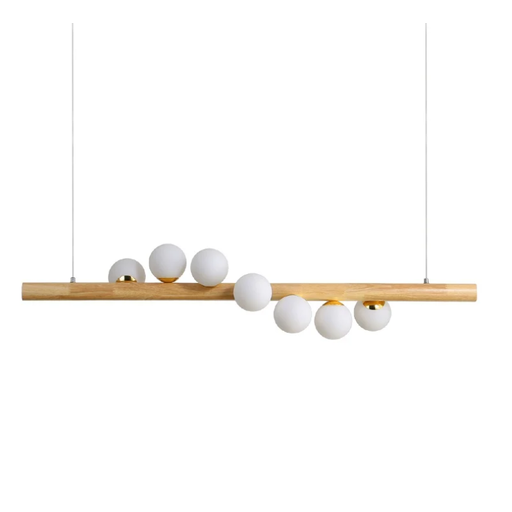
Why it's a great fit: For anyone looking for a statement piece. This `dining table pendant light` combines high-quality materials like wood, glass, and metal with a gold finish to create a sculptural object that becomes a focal point over a large dining table or kitchen island.
The seven-light-source design ensures broad and even illumination, bypassing the problem of insufficient light distribution and harsh shadows over large areas.
The combination of a minimalist linear form and spirally arranged glass globes creates a sophisticated aesthetic. The suspension cable is height-adjustable.
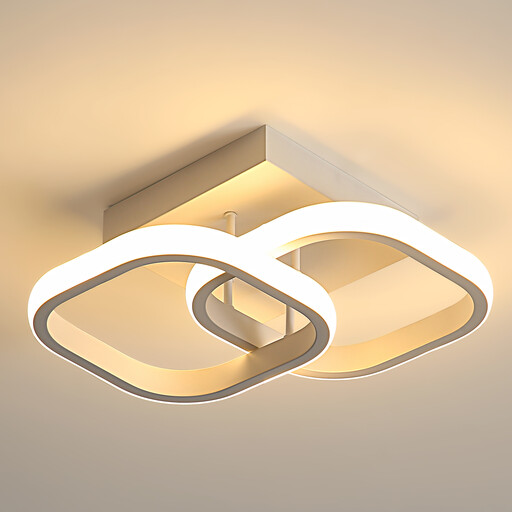
Why it's a great fit: Ideal for users seeking functional, straightforward, and modern lighting for everyday spaces like hallways, bedrooms, or home offices. The simple, square design blends seamlessly into many interior styles.
The light has a fixed colour temperature of 3500K (Warm White) and is not dimmable. This prevents issues with the wrong light colour or incompatible dimmers from the start.
The integrated LED technology eliminates the need for bulb changes and ensures low energy consumption. A low-maintenance and durable solution.
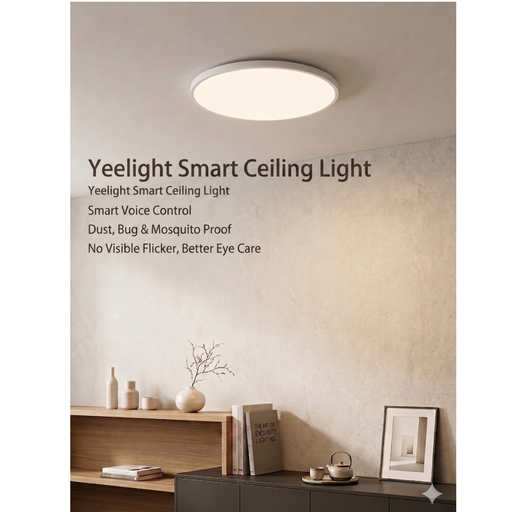
Why it's a great fit: Perfect for anyone who wants full control and integration into their `smart home lighting` system. This light offers maximum flexibility for any time of day and activity, from focused work to a relaxing evening.
The seamless adjustment of brightness and colour temperature via app or voice completely solves the problems of the wrong lighting mood and dimmer incompatibility. The user has full control.
Seamless compatibility with popular platforms like Alexa, Google Home, and SmartThings. The additional "Moonlight Mode" provides an extremely gentle light for the night.
We have compiled a complete, up-to-date list of products that fully meet these strict selection criteria and UK safety regulations.
A general rule of thumb for ambient lighting in living spaces is 100 to 150 lumens per square metre. For a 20 m? living room, that would be between 2,000 and 3,000 lumens. Keep in mind this is just a guideline. Personal preferences and how the room is used (e.g., for reading or crafts) may require a higher lumen value. Additional light sources like floor or table lamps should also be considered.
No, this is a common source of error. Older dimmers designed for halogen or incandescent bulbs are often not compatible with the low-load electronics of LEDs. This can lead to flickering, buzzing, or an inadequate dimming range. It is important to use a dimmer that is rated for LEDs. Check the product descriptions of both the light and the dimmer to ensure compatibility (e.g., leading-edge or trailing-edge dimmer).
The lifespan of integrated LEDs is specified in operating hours and typically ranges from 20,000 to 50,000 hours. With an average use of about three hours per day, this corresponds to a lifespan of over 18 years (at 20,000 hours). Unlike traditional bulbs, LEDs do not suddenly fail at the end of their life; instead, they slowly lose their brightness.