
Lieferung heute & morgen

Qualitätsgarantie

Willkommens-Angebote freischalten: KOSTENLOSE Lieferung | Bis zu 80 % RABATT | Kostenlose 30-Tage-JoyPlus-Testphase
App herunterladen
Modern LED lights should illuminate rooms effectively, take up little space and complement your interior design. Even so, some product claims can lead to disappointing purchases. An eye-catching shape, for example, says little about how the light is actually distributed. Terms such as “dimmable” or “warm white” are only useful when the technical requirements and intended location are suitable.
A black metal light or a pendant lamp with a decorative shade may look appealing when switched off. What matters, however, is whether the light reaches the area you want to illuminate. A light for the living room or dining room should be chosen not only for its appearance, but also for its beam direction, installation height and the size of the room.
When lighting a kitchen island, targeted positioning is important. In a hallway or bedroom, on the other hand, even, more diffuse illumination may be the better choice.
A dimmable LED light often requires a suitable dimmer. With permanently installed LED modules, you should also check whether the light works with the existing wall dimmer. If this information is missing, you may experience flickering, a limited adjustment range or operating noise.
When choosing an LED pendant light with an integrated module, buyers should therefore check the information on dimmer compatibility. An LED table lamp may instead have a touch switch or a fixed brightness setting.
Warm-white lighting is generally associated with a colour temperature of around 3,000 Kelvin. It can be suitable for living rooms and bedrooms. Neutral-white or daylight-like light colours often feel more practical in workspaces and kitchens. However, the description alone does not replace a specific Kelvin rating.
For a light with several colour temperatures, you should also check how they are switched: via a wall switch, remote control, touch control or an app.
Colour temperature is measured in Kelvin (K). Lower values appear warmer, while higher values appear cooler. A setting of around 3,000 K may be suitable for a bedroom or seating area. In a kitchen, clear, functional illumination is often more important than an especially warm light colour.
You should also check:
An LED ceiling light should suit the size of the room and the ceiling height. Before buying, measure the diameter, overall height and position of the connection. With a pendant light, cable length and adjustable suspension are important considerations. Above a dining table or kitchen island, the light should not obstruct your view or hang too low.
An LED table lamp for a small side table should have a compact footprint. With a battery-powered model, you should also check how it is charged and whether the cable can remain connected while the lamp is in use.
Metal housings may feel sturdy, but on their own they say nothing about electrical safety. Check the product details for:
Permanently connected ceiling and pendant lights should be installed in accordance with the applicable installation regulations. If you are unsure, consult a qualified electrician. An IP20 light is intended for dry indoor areas and is not suitable for damp rooms or outdoor use.
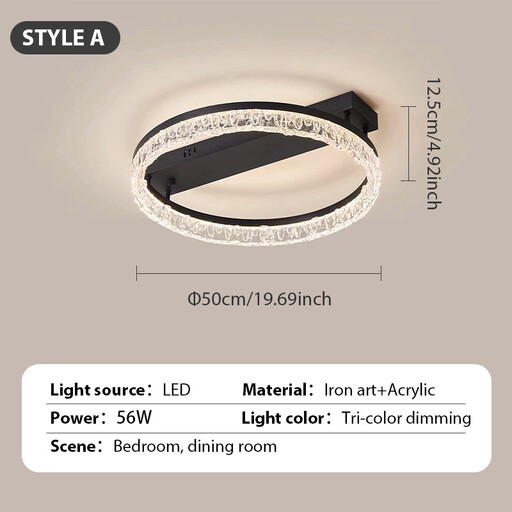
Why this product suits the profile: The round design is intended for bedrooms, living rooms and hallways. The three stated colour temperatures allow the light to be adapted to different uses.
The selectable colour temperatures reduce the risk of committing to an unsuitable light colour. Before buying, check the diameter, lumen rating and how the settings are changed.
Three colour temperatures according to the product description; stated areas of use include bedrooms, living rooms and hallways.
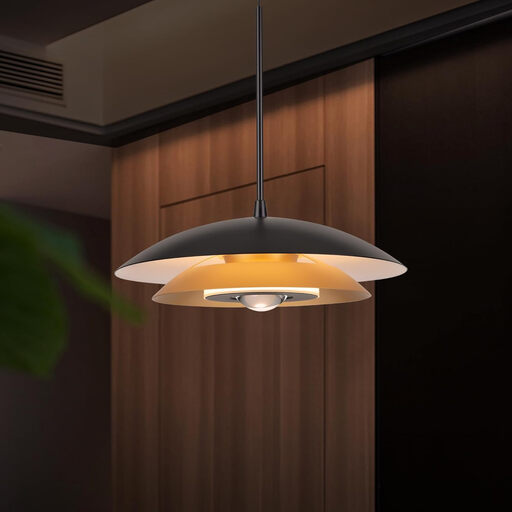
Why this product suits the profile: The two-layer metal construction in matt black and gold is intended for design-led dining areas, kitchen islands and bedrooms. The integrated LED module is rated at 12 W and 3,000 K.
The specific colour temperature of 3,000 K is clearly stated. The dimming function should be used with a compatible dimmer; according to the product information, installation should be carried out by a qualified electrician.
Integrated 12 W LED module; adjustable suspension and stated dimming capability.
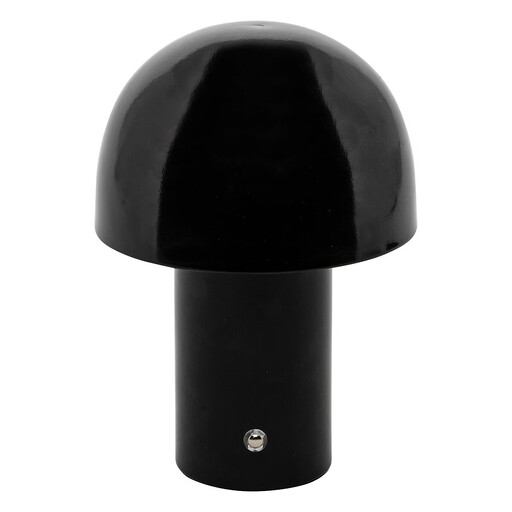
Why this product suits the profile: The compact USB table lamp is suitable for side tables, dining tables and small rooms. Battery operation allows flexible positioning in dry indoor areas.
The product details specify battery operation, USB charging, a touch switch, IP20 and the fact that it is not dimmable. This makes it easier to assess whether it is suitable before buying.
Dimensions of approximately 14 × 21.2 cm; battery and USB cable; touch control.
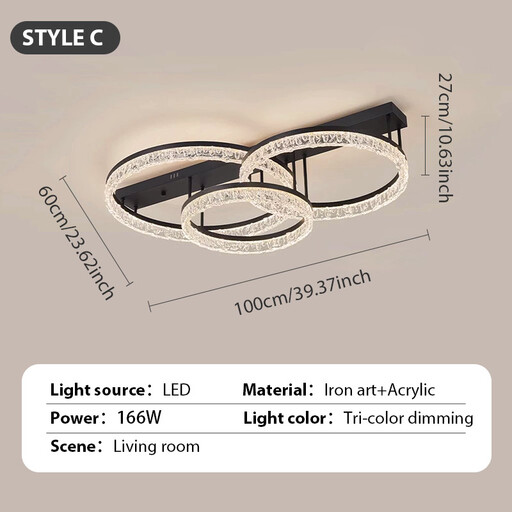
Why this product suits the profile: This round ceiling light is aimed at buyers looking for a space-saving solution for central room lighting. The stated choice of three colour temperatures can be practical for changing times of day.
The choice of different light colours helps avoid the risk of being tied to an unsuitable fixed colour temperature. Before ordering, compare the technical dimensions and installation method with the existing ceiling connection.
Three stated colour temperatures; round metal design for bedrooms, living rooms and hallways.
LED technology often uses less electrical power than older light sources for comparable brightness. However, wattage, daily operating time and electricity price determine the running costs. A simple calculation is:
Wattage ÷ 1,000 × operating hours × electricity price per kilowatt-hour = electricity costs.
With permanently integrated LED modules, check whether the module can be replaced. If it cannot, the entire light will generally need to be replaced in the event of a fault. For battery-powered table lamps, buyers should also check the charging connection, charging time and the battery life stated by the supplier.
We have put together a complete, regularly updated list of products that fully meet these strict selection criteria and the safety regulations applicable in the EU.
Warm-white lighting of around 2,700 to 3,000 Kelvin is often chosen for a bedroom. The right option depends on how you use the room, its colours and the brightness you want. A light with several colour temperatures offers greater flexibility.
Service life depends on the LED module, heat dissipation, operating hours and build quality. Manufacturer specifications should be treated as technical guidelines. With permanently installed modules, check before buying whether replacement is possible.
Check whether the light is genuinely dimmable and which type of dimmer it requires. Not every LED light works with every existing wall dimmer. If you are unsure, consult the product data sheet, connection information and, where necessary, a qualified electrician.