
Lieferung heute & morgen

Qualitätsgarantie

Willkommens-Angebote freischalten: KOSTENLOSE Lieferung | Bis zu 80 % RABATT | Kostenlose 30-Tage-JoyPlus-Testphase
App herunterladen
Choosing the right wall light can completely transform the atmosphere of a room. A modern LED wall light should not only provide illumination but also serve as a stylish design element. However, the market is flooded with products whose descriptions promise more than they deliver. Many buyers invest in what they believe is a high-quality light, only to be disappointed by poor quality or an unsuitable lighting ambiance shortly after. This guide will help you avoid the typical pitfalls and make an informed decision.
As a Joybuy Product Recommendation Officer, I continuously analyse market information to provide you with objective, practical advice that protects you from bad purchases.
Before you decide on a model, you should be aware of the three most common issues that lead to dissatisfaction.
To avoid these mistakes, focus on three verifiable criteria. These will help you objectively assess the quality and suitability of an indoor LED wall light.
The light colour is a key factor in determining the mood of a room. Instead of relying on vague terms like "cosy," pay attention to the Kelvin value.
The brightness of a light is measured in lumens (lm), not in watts (W). Watts only indicate energy consumption. For ambient lighting in a living room, 300-500 lm per light is often sufficient. However, if the wall lamp is intended to illuminate a hallway or serve as a reading light, higher lumen values are required.
Also, pay attention to the light distribution. An indoor up-and-down lighter, for example, creates interesting cones of light on the wall and provides indirect illumination, while a light with a diffuser shade distributes light more evenly throughout the room.
A durable minimalist wall light is made from solid materials.
Here are some recommendations tailored to different needs and interior styles.
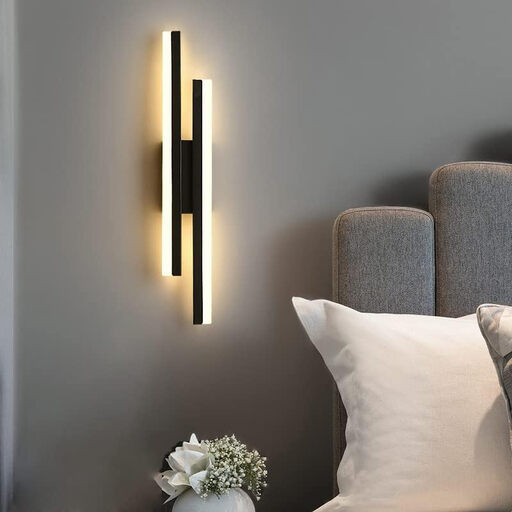
Why This Fits Their Persona: Ideal for those seeking a clean, unobtrusive design without a large investment. Perfect for hallways, stairwells, or as accent lighting in the living room.
At 3000K, it delivers a true warm white, avoiding the "hospital lighting" trap. The stated lifespan of up to 30,000 hours mitigates the risk of the integrated bulb by ensuring long-term use.
The iron body with a baked-enamel finish is more durable than simple plastic. The acrylic shade provides good, glare-free light distribution.
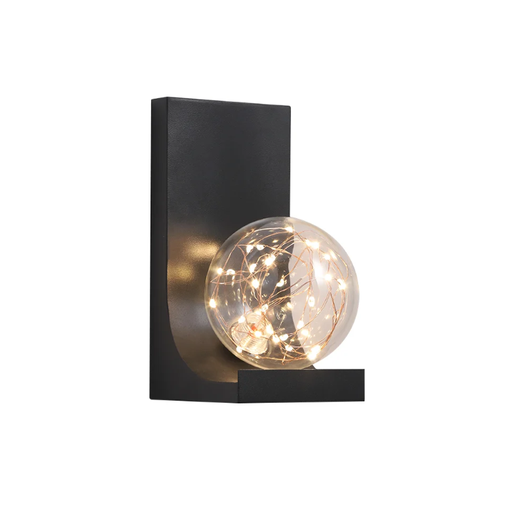
Why This Fits Their Persona: For users who value high-quality materials and a clean, modern design. The combination of metal and glass has a premium feel that complements contemporary interior styles.
The use of real metal and glass bypasses the cheap materials trap. The "Warm White" description is accurately delivered by the integrated LED technology, ensuring a reliable lighting mood.
The flush mount design creates a very clean look, ideal for narrow hallways. The light source is already integrated, so there are no additional costs.
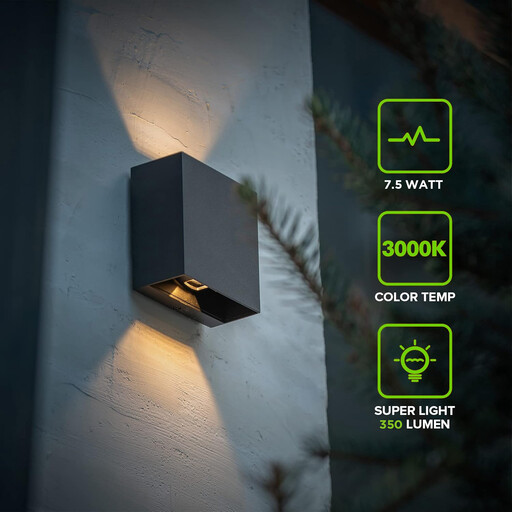
Why This Fits Their Persona: Perfect for users who want to control the lighting effect themselves. As a classic up-down lighter, it's excellent for creating architectural accents on interior and exterior walls.
The adjustable beam angle (0-106 degrees) gives you full control over the light effect and prevents unsuitable illumination. The robust, powder-coated aluminium housing guards against quality defects.
Its water resistance allows for use both indoors and in sheltered outdoor areas. The long 50,000-hour lifespan of the integrated LED ensures maintenance-free use for many years.
We have compiled a comprehensive, up-to-date list of products that meet these strict selection criteria and comply with applicable safety regulations.
A common recommendation for mounting wall lights in living rooms and hallways is about 1.60 to 1.70 metres above the floor. This places the light roughly at eye level and prevents you from looking directly into the bulb. For up-and-down lighters, the height can vary depending on the desired light effect on the wall.
Whether an LED wall light is dimmable depends on the installed LED driver and the light source. This information is usually explicitly stated in the product details. If a light is marked as "dimmable," you will also need a compatible external dimmer switch. Lights without this specification are generally not dimmable.
The IP (Ingress Protection) rating indicates how well a light is protected against the ingress of foreign objects (first digit) and water (second digit). For most dry indoor areas like living rooms or hallways, no special IP rating is required (often IP20). However, special regulations apply in the bathroom. Near a shower or bathtub, a higher protection class such as IP44 (protection against splashing water) or higher is required by law.