
Lieferung heute & morgen

Qualitätsgarantie

Willkommens-Angebote freischalten: KOSTENLOSE Lieferung | Bis zu 80 % RABATT | Kostenlose 30-Tage-JoyPlus-Testphase
App herunterladen
Choosing the right lighting can completely transform a room. But the market for modern lamps & lighting is overwhelming and full of promises that aren't always kept. Making the wrong choice isn't just frustrating; it can also be expensive. Before you make a decision, it's crucial to understand the most common pitfalls, which often only become apparent after your purchase.
As your Joybuy Product Recommendation Officer, I'm here to help you define objective criteria for your selection. This guide focuses on three typical problems:
To avoid these issues, you should focus on verifiable technical specifications and material properties rather than marketing claims.
These two values are crucial for a light's functionality.
A dimmable floor lamp or a smart LED ceiling light with adjustable colour temperature offers the greatest flexibility to adapt the lighting to different situations.
Modern lights offer more than just an on/off switch. Before buying, check which control options are relevant to you:
The longevity of a lamp depends directly on the materials used.
Here are some product suggestions tailored to specific user profiles that take the aforementioned pitfalls into account.
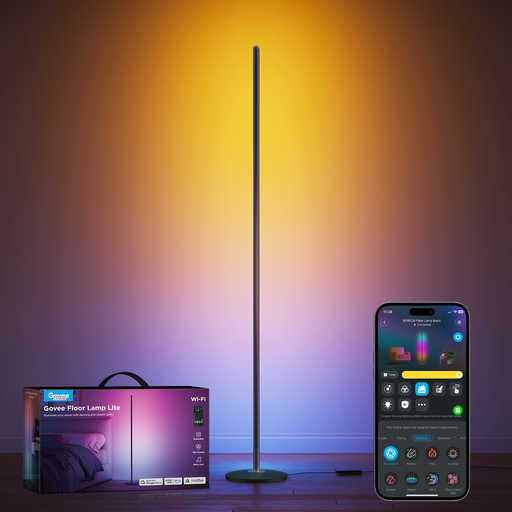
Why it's a great fit: Ideal for users who want to control their gaming light or mood lighting via voice or app. The lamp integrates seamlessly into existing smart home ecosystems and offers extensive customisation options for a dynamic living room atmosphere.
The product description explicitly confirms compatibility with Alexa and Google Assistant. With 16 million colours and 58 scene modes, it solves the problem of unsuitable ambiance by providing maximum flexibility.
The RGBIC technology allows multiple colours to be displayed on the light strip simultaneously. The integrated Music Sync mode dynamically adjusts the lighting to match ambient sounds.

Why it's a great fit: This night light with motion sensor is a practical solution for hallways, stairwells, and as a children's room lamp. It automatically provides light when needed, increasing safety at night without having to stay on permanently.
The combination of a motion and dusk-to-dawn sensor ensures light is only on when needed. The adjustable brightness and warm white light (2700K) prevent harsh, unpleasant glare.
Five adjustable brightness levels offer full control. The very low power consumption of 0.5 watts makes continuous operation cost-effective. The housing is made of durable PC and ABS materials.
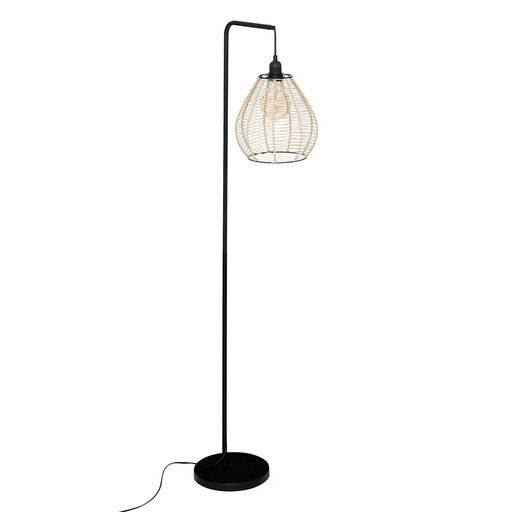
Why it's a great fit: For anyone looking for a stylish design object that works without technical complexity. The combination of metal and woven paper creates a warm, natural aesthetic that fits well into Scandinavian or minimalist interior styles.
This model deliberately bypasses the smart home pitfall. The material combination of steel and paper feels more premium than simple plastic models. By allowing a free choice of E27 bulb, the user retains full control over brightness and colour temperature.
The timeless arc lamp design serves as a functional decorative element. The cement base ensures a secure footing and underscores the lamp's high-quality character.
We have compiled a complete, up-to-date list of products that fully meet these strict selection criteria and rigorous safety standards.
1. How many lumens do I need for my living room? For general ambient lighting in a living room, a brightness of about 100 to 150 lumens per square metre is recommended. For a 20 m? room, that would be 2,000 to 3,000 lumens, which can be distributed across multiple light sources (e.g., a ceiling light and a floor lamp). For reading or work areas, you should plan for additional, focused light sources with higher brightness.
2. What is the difference between RGB and RGBIC for LED strips? Standard RGB LED strips can only display one single colour across the entire strip at a time. RGBIC (Independent Control) is a more advanced technology where individual segments of the strip can be controlled independently. This allows for dynamic effects like rainbow gradients or flowing colour transitions, which is especially appealing for sophisticated gaming light setups or decorative mood lighting.
3. Are LED lights really more energy-efficient? Yes. Compared to traditional incandescent or halogen bulbs, LEDs consume up to 85% less energy for the same brightness (lumens). They also have a significantly longer lifespan, often ranging from 15,000 to 25,000 operating hours. This not only reduces electricity costs but also minimises maintenance and waste due to less frequent replacement.