
Lieferung heute & morgen

Qualitätsgarantie

Willkommens-Angebote freischalten: KOSTENLOSE Lieferung | Bis zu 80 % RABATT | Kostenlose 30-Tage-JoyPlus-Testphase
App herunterladen
A carefully chosen modern planter can define the aesthetic of a room, balcony, or patio. However, finding the perfect model is often more challenging than it seems. An attractive exterior can hide costly defects that quickly diminish your enjoyment of the product. Many buyers only notice over time that their new planter is cracking, unstable, or even harming their plants.
This guide highlights the most common pitfalls to watch out for and shows you which objective criteria to consider to make an informed decision.
The selection is vast, but not every product marketed as "modern" delivers on its promise. Pay close attention to these three weak points to avoid a bad purchase.
To avoid these pitfalls, you should base your selection on three crucial parameters: material, stability, and functionality.
The material determines not only the look but also the durability and intended location of the planter.
For a tall planter or models with legs, stability is crucial.
For direct planting, a hole in the bottom of the container is essential. It prevents waterlogging and ensures healthy root aeration. If you use a sealed pot as a decorative outer pot, ensure the inner pot has drainage holes and that you can regularly remove any excess water.
Here are some recommendations tailored to different needs and living situations, all of which meet the criteria mentioned above.
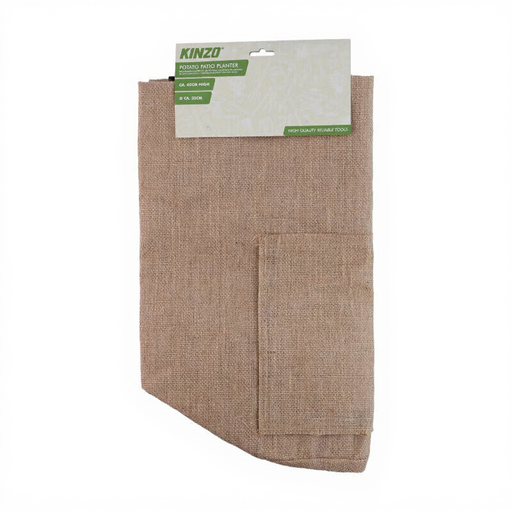
Why This Fits Their Persona: Ideal for anyone who wants to grow their own vegetables without a garden. This grow bag enables successful potato cultivation on a balcony, patio, or in a small yard.
The design is focused on functionality, bypassing the pitfall of poor drainage. The PE material ensures excellent aeration and water runoff, actively preventing root rot.
Extremely lightweight (330g according to the manufacturer) and portable. The generous dimensions (35x45 cm) provide ample space for a good harvest.
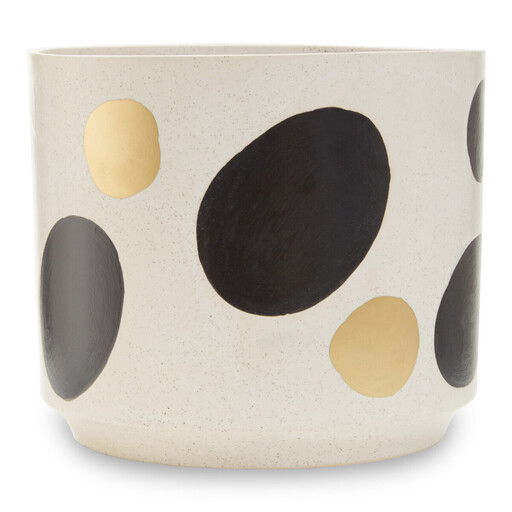
Why This Fits Their Persona: Perfect for anyone looking to add a decorative accent to their living space. This ceramic flower pot is a standalone design object.
Made from durable stoneware, it avoids the trap of cheap materials. The crucial feature is the drainage hole, which elevates it from a purely decorative pot to a functional planter.
The speckled surface with gold accents creates a unique look. The material is low-maintenance and robust.
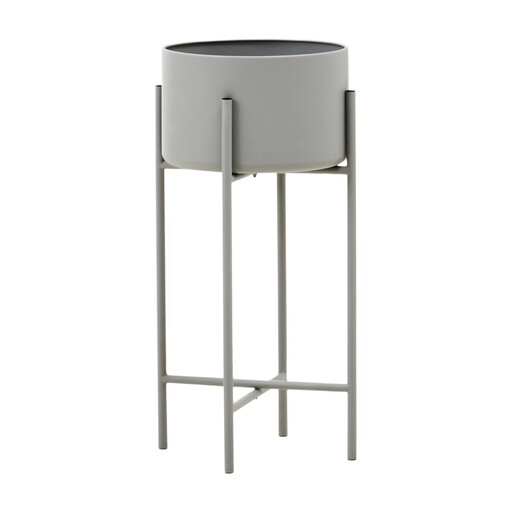
Why This Fits Their Persona: This tall planter with a stand embodies minimalist elegance. It elevates the plant, integrating it into the room as a sculptural element.
The 100% iron construction with a cross-base stand ensures high stability, avoiding the wobbly-leg pitfall common in similar designs.
The slim, tall design (55 cm) draws focus to the plant. The robust iron construction promises long-term use indoors or in a sheltered outdoor area.
We have compiled a complete, up-to-date list of products that fully meet these strict selection criteria and applicable standards.
Look for explicit manufacturer claims like "frost-proof" or "frost-resistant." Materials such as high-quality fibreglass, polyethylene (PE), and specially treated metals are generally suitable for winter use. Untreated terracotta or simple ceramics are usually not frost-proof and should be moved to a sheltered location in winter.
If you are planting directly into the container, a drainage hole is essential to prevent root rot from waterlogging. If you use a pot without a hole as a decorative outer pot, ensure the inner pot has holes. Regularly check if water has collected at the bottom of the outer pot and empty it as needed.
The choice depends on your interior design style and practical needs. A ceramic flower pot or one made of stoneware conveys a sense of high quality and fits many styles. A planter with a stand made of metal has a modern, industrial look. Lightweight materials like fibreglass are practical for large plants that need to be moved occasionally.