
Lieferung heute & morgen

Qualitätsgarantie
App herunterladen
Kategorien
A modern decorative vase is more than just a container for flowers. It is a standalone design object that significantly influences a room's aesthetic. Selecting the right model is based on an analysis of material, form, and function. Whether as a statement sculpture vase in the living room or as subtle table decor—the right vase acts as a visual anchor and accentuates your personal interior style. This article analyses the key criteria for selection and presents specific models based on their technical specifications.
The decision for a vase should be based on objective parameters. Material properties, form, and dimensions are the central factors here.
The choice of material determines not only the look but also the functionality and durability of a vase.
The size and shape of a vase define its use case and visual impact.
The following products have been selected based on their specific design features and material properties.
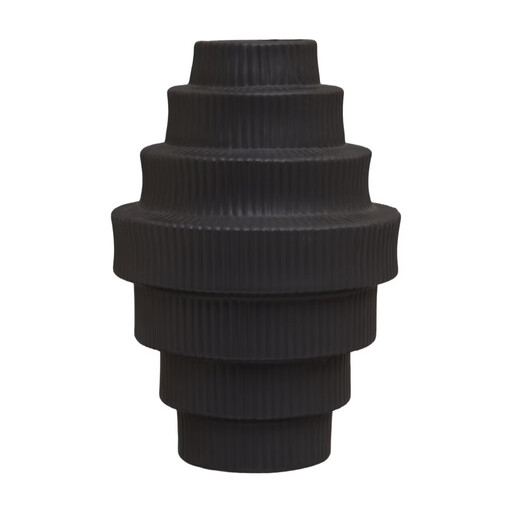
Why We Recommend This Product This model is distinguished by its architectural form. The tiered silhouette, with alternating wider and narrower segments combined with a continuous grooved texture, gives the vase a distinct sculptural character. Crafted from black-coloured dolomite, it becomes an object with a strong visual presence.
Advantages:
Who It's For: For individuals looking for a statement piece for a modern or minimalist interior. The design also works as a standalone decorative object without flowers.
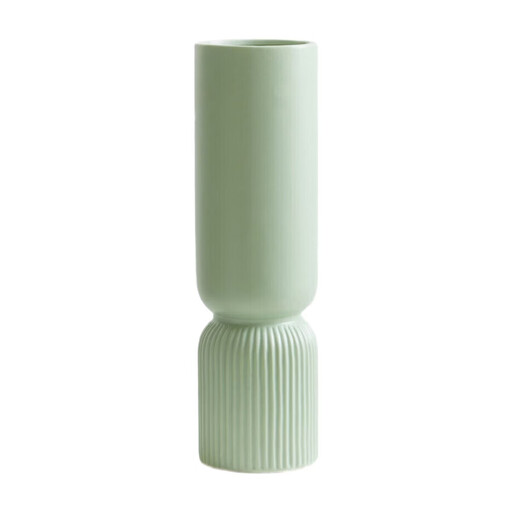
Why We Recommend This Product This designer vase combines two different surface textures in a single object. The upper part is smooth and cylindrical, while the wider base features a fine, vertical grooved texture. This contrast between smooth and textured lends the vase a subtle sophistication. The sage green colour is a modern, understated hue.
Advantages:
Who It's For: For users who prefer an elegant yet modern flower vase with an interesting tactile quality. Ideal for placement on the floor or on low side tables.
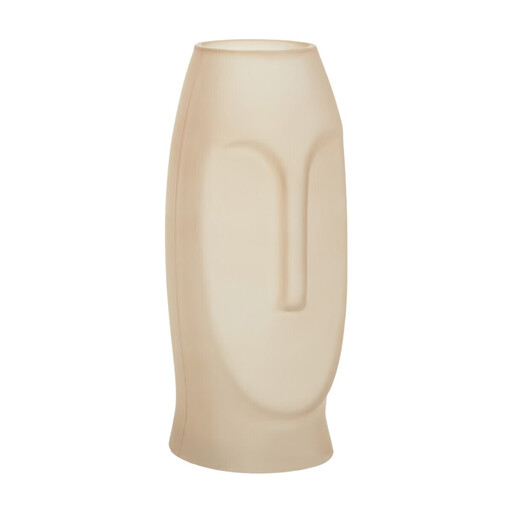
Why We Recommend This Product This model falls into the category of unconventional vases as it blurs the line between a utilitarian object and a work of art. The upper part of the glass vase is modelled in the shape of a stylised face. The gold finish gives the object a luxurious character. Its unique form makes the vase a conversation piece.
Advantages:
Who It's For: For design-oriented individuals seeking an unconventional and artistic decorative element. Due to its compact size of 23 cm in height, it is ideal for shelves, bedside tables, or as part of a curated arrangement.
The models presented here represent a specific selection of modern designs. For a more comprehensive overview of different materials, shapes, and sizes that suit various interior styles, you can explore our entire range of flower vases.
1. How do you clean a ceramic vase with a textured surface? A soft, damp cloth is recommended for cleaning textured ceramic vases. For more stubborn deposits in the grooves, a soft brush (e.g., a toothbrush) can be used gently. Abrasive cleaning agents should be avoided to prevent damaging the surface.
2. Which vase is suitable for which flowers? As a rule of thumb: Tall, slender vases provide good support for long-stemmed flowers like lilies, gladioli, or single roses. Bulbous vases with a wide opening are ideal for voluminous bouquets such as hydrangeas or peonies. Small bud vases are intended for single, delicate blossoms or short stems.
3. What defines a sculpture vase? A sculpture vase is characterised by a form and design so distinct that it functions as a standalone art or decorative object, even without flowers. The focus is on the aesthetic form, texture, and material presence, which transcends its mere function as a container.