
Lieferung heute & morgen

Qualitätsgarantie

Willkommens-Angebote freischalten: KOSTENLOSE Lieferung | Bis zu 80 % RABATT | Kostenlose 30-Tage-JoyPlus-Testphase
App herunterladen
A modern wall light is more than just a source of illumination. It's a central design element that creates atmosphere and sets a tone. Yet, the sheer number of options can quickly become overwhelming. Online descriptions often overpromise and underdeliver, leading to disappointment and unnecessary expense. Before you make a decision, it's crucial to understand the common pitfalls that can hide behind a stylish facade.
This guide will help you cut through the noise and find a modern wall light that not only looks stunning but is also functional and built to last.
Many buyers focus on design while overlooking technical flaws that only become apparent after installation. Pay close attention to these three points:
To avoid these mistakes, you should focus on objective criteria. These three parameters are crucial for the quality and functionality of your new designer wall lamp.
The effect of the light is a major factor in a room's atmosphere. Look for the following specifications:
The longevity of a modern wall lamp depends directly on its materials.
The design of the fixture determines how light is distributed in the room.
Here are some models tailored to specific needs and profiles that successfully navigate the pitfalls mentioned.
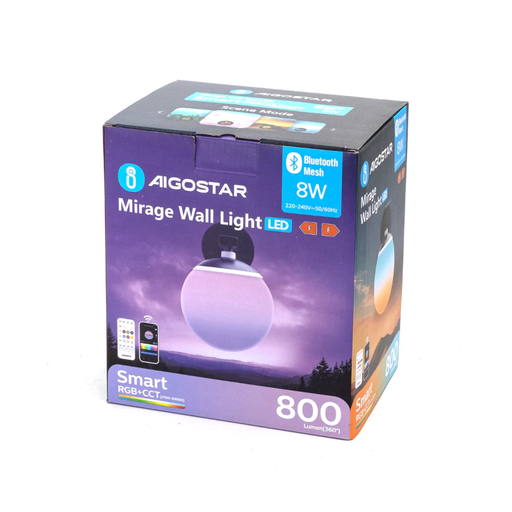
Why This Fits Their Persona: Ideal for users who want full control and smart integration. The light connects via Bluetooth Mesh and is controlled by an app, allowing for adjustment of light colour (RGB) and brightness without any additional hardware.
Completely avoids the "dimmable" trap, as all control functions (dimming, colour change) are integrated directly into the light and managed via the app. No external dimmer is required.
Bluetooth Mesh Technology: Allows for the networking of over 200 devices. Up-and-Down Light Effects: Provides both functional and atmospheric lighting.
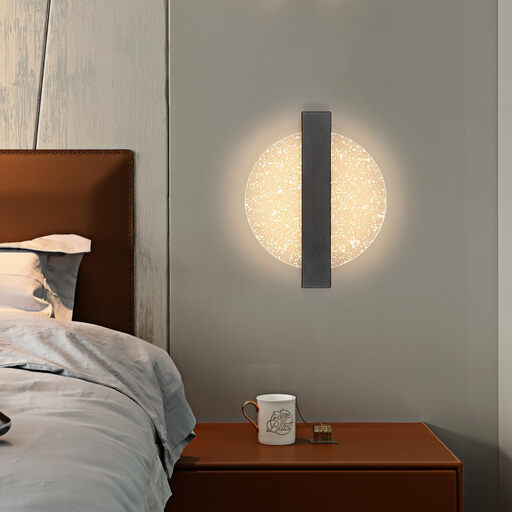
Why This Fits Their Persona: Perfect for lovers of minimalist interior design. The clean, round shape and black finish blend seamlessly into modern interiors without being obtrusive.
Prevents the material trap by relying on a solid finish that ensures a durable and premium look. The acrylic glass diffuses the light softly and evenly.
Warm White Light (3000 K): Creates a cosy and inviting atmosphere. Energy-Efficient LED: The integrated 12W LED technology is economical and maintenance-free.
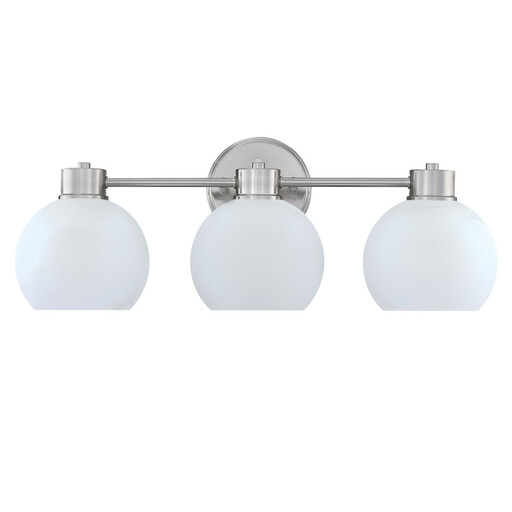
Why This Fits Their Persona: For those who appreciate timeless aesthetics combined with high-quality materials. The combination of brushed nickel and hand-blown frosted glass has a sophisticated look that complements many interior styles.
Avoids the installation trap with a generously sized backplate (14 cm diameter) that reliably covers standard junction boxes, ensuring a clean installation.
Flexible Mounting: Can be installed with the bulbs facing up or down. Replaceable Bulbs: Uses three standard E27 sockets, offering flexibility in choosing bulbs (brightness, colour).
We have compiled a complete, up-to-date list of products that fully meet these strict selection criteria and safety standards.
An LED wall light with an integrated module is a complete unit. The light source cannot be replaced. The advantage often lies in a more compact design and a long manufacturer-specified lifespan (e.g., 25,000 hours). Lights with a standard socket (e.g., E27, E14, GU10) offer more flexibility. You can replace the bulb at any time to adjust brightness, light colour, or even add smart features.
A general recommendation is to mount it at eye level, approximately 1.60m to 1.70m (5.25 to 5.6 feet) from the floor. This prevents you from looking directly into the bulb. For a reading light next to a bed or sofa, the height should be chosen so that the light cone optimally illuminates the reading area without causing glare. With an up-and-down wall light used for indirect room lighting, the height can be varied to create different light effects on the wall.
No, an up-and-down wall light is typically connected to a standard 230V wall outlet, just like any other indoor wall light. The special upward and downward light distribution is achieved through the fixture's design and the positioning of the internal light sources, not through special wiring.