
Lieferung heute & morgen

Qualitätsgarantie

Willkommens-Angebote freischalten: KOSTENLOSE Lieferung | Bis zu 80 % RABATT | Kostenlose 30-Tage-JoyPlus-Testphase
App herunterladen
A modern wall light is more than just a source of illumination. It's a design statement that fundamentally shapes a room's atmosphere. However, the search for the right model can quickly become overwhelming. Hidden between stylish product photos and technical specifications are pitfalls that can turn a supposed bargain into a costly mistake.
As your Joybuy Product Recommendation Officer, I'm here to help you separate the wheat from the chaff. We'll shine a light on the most common flaws and show you which criteria truly matter when making your selection, ensuring your new lighting is both functional and durable.
The choice of a light fixture shouldn't be based on looks alone. Certain defects often only reveal themselves after installation.
To avoid the problems mentioned above, you should check three crucial technical features before buying.
Light quality determines the entire atmosphere of a room. Two values are central here:
The material influences not only the appearance but also the durability and safety of a wall light.
Modern wall lights use either permanently installed LED modules or a classic socket (e.g., E27, E14, GU10).
Here are some models that represent a considered choice for specific use cases, based on objective features.
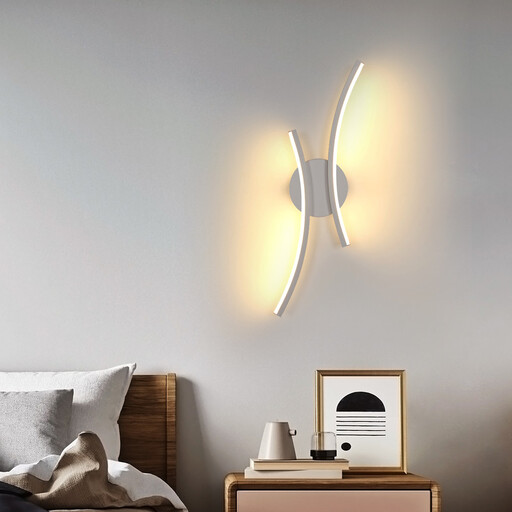
Why it's a great fit: The curved, geometric design is eye-catching without being intrusive. Ideal for modern hallways or as an accent light in a living room where a sculptural form is desired.
The fixture uses flicker-free LED chips with a high Colour Rendering Index and eye-care technology, avoiding the poor-light-quality pitfall. The aluminium housing ensures durability.
Its slim profile, at only 5 cm deep, is space-saving. The upward and downward illumination (up and down light) creates an atmospheric, indirect lighting effect.
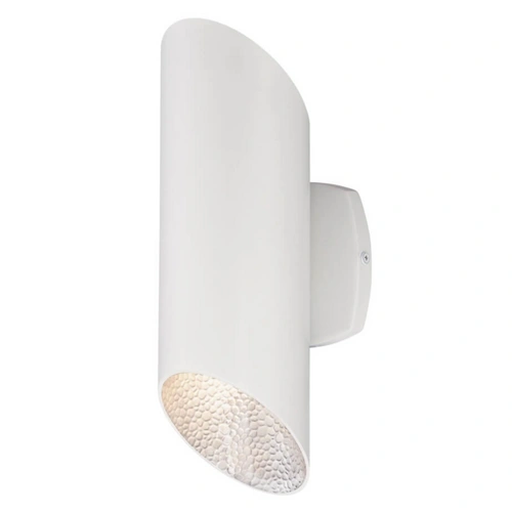
Why it's a great fit: This light was specifically designed as an outdoor wall light. It is suitable for illuminating entrance areas, patios, or for accentuating a building's facade with a modern cone of light.
With an IP44 protection rating, it is verifiably protected against splashing water, avoiding the pitfall of using an unsuitable indoor light outdoors. The aluminium housing is weather-resistant.
The light is dimmable with compatible LED dimmers, allowing for flexible brightness adjustment outdoors. The integrated LEDs are energy-efficient.
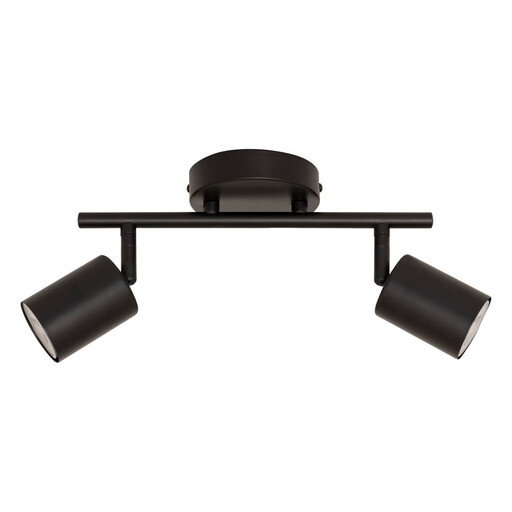
Why it's a great fit: As a modern wall spotlight with an adjustable head, this fixture is ideal for creating targeted accents—whether as a reading light next to the bed or to highlight a picture in the living room.
Because the bulb is replaceable, you have full control over light quality and dimmability. You can choose a high-quality LED bulb that meets your standards for CRI and flicker-free performance.
The adjustable spots offer maximum flexibility in directing the light. The robust steel housing in matte black complements many modern interior design styles.
We have compiled a complete, real-time updated list of products that meet these strict selection criteria and comply with German safety standards.
A common recommendation is to mount it at eye level, which typically corresponds to a height of 1.60 m to 1.70 m from the floor. For fixtures with an up-and-down effect, a slightly higher or lower position can be appealing to best showcase the cones of light on the wall. On staircases, lights should be placed to illuminate the steps evenly and without glare.
Direct light shines specifically onto a surface, like an adjustable wall spotlight used as a reading light. Indirect light is cast onto the wall or ceiling and reflected back into the room. This creates soft, diffuse, and glare-free ambient lighting. Many modern wall lights, especially models with up and down light, combine both types of light for an effect that is both functional and atmospheric.
Check the product descriptions for both the light fixture and the dimmer. For LED lights, a distinction is made between leading-edge and trailing-edge dimmers. The technical specifications of the light usually state which type of dimmer is required. For fixtures with replaceable bulbs, the bulb itself must be marked as "dimmable" and be compatible with the dimmer. When in doubt, consulting a qualified electrician is advisable.