
Lieferung heute & morgen

Qualitätsgarantie

Willkommens-Angebote freischalten: KOSTENLOSE Lieferung | Bis zu 80 % RABATT | Kostenlose 30-Tage-JoyPlus-Testphase
App herunterladen
A modular helmet with a sun visor combines the safety of a full-face helmet with the convenience of an open-face model. However, the market is crowded, and not every helmet lives up to its promises. Before making a purchase, it's crucial to understand the common pitfalls that can lead to a regrettable decision.
Two widespread issues are outdated safety certifications and poorly designed comfort features. Many riders invest in a helmet only to find that the sun visor vibrates at high speeds or that the ventilation is inadequate. Another common frustration is the term "Bluetooth-ready," which often means nothing more than a simple cutout with no thought given to cable management, making it difficult to install a communication system.
This guide focuses on the critical technical specifications that define a functional and safe modular motorcycle helmet, helping you make an informed choice.
To avoid a bad purchase, you should carefully examine three technical aspects. These criteria are crucial for your safety and riding comfort, both for daily use and on long tours.
The European testing standard for motorcycle helmets was significantly tightened with the introduction of ECE 22.06. Unlike the older 22.05 standard, the new testing procedure includes:
A helmet certified with ECE 22.06 offers a demonstrably higher level of protection. When buying, always look for the corresponding certification mark inside the helmet or in the product description.
An integrated sun visor is convenient, but its quality is crucial. Look for the following features:
A helmet must fit perfectly to provide its full protective effect and remain comfortable on long rides.
Based on the criteria above, we have identified several models that are well-suited for different rider profiles.
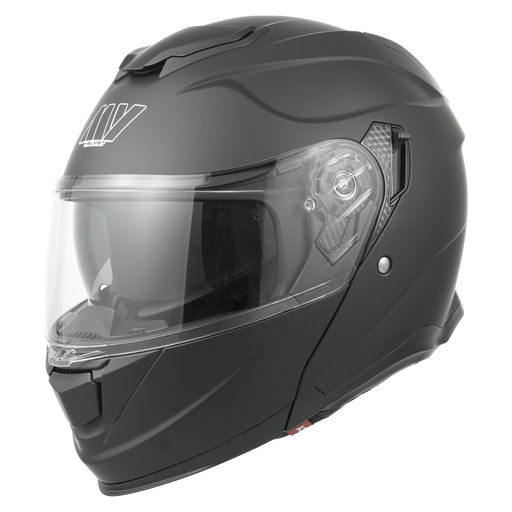
Why This Fits Their Persona: Ideal for the daily commute. This helmet combines the flexibility of a modular design with essential safety and comfort features, all without breaking the bank. The matte black motorcycle helmet finish is also a timeless look.
It meets the current ECE 22.06 standard, preventing the purchase of a model with outdated safety certification. The integrated dual-visor system is functional and designed for daily use.
Offers a high level of certified safety and practical features like the sun visor and Bluetooth preparation at a very accessible price point.
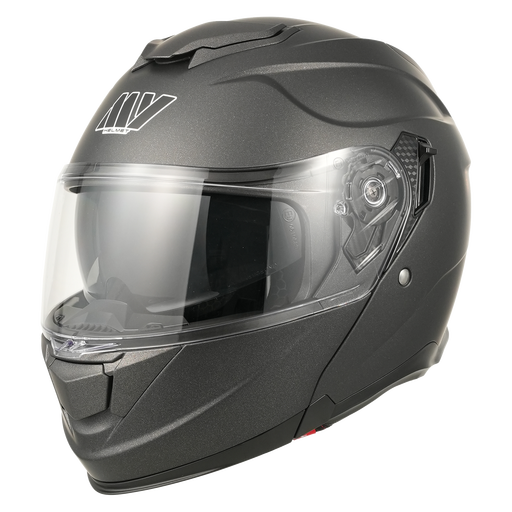
Why This Fits Their Persona: This motorcycle touring helmet is designed for long distances. The comfortable, breathable liner and the easy-to-use flip-up mechanism are advantageous during breaks. The sun visor adapts quickly to changing light conditions.
The robust mechanics of the chin bar and sun visor are built for frequent use. The interior lining is designed for long-lasting comfort, preventing pressure points on extended rides.
The combination of flexibility, long-distance comfort, and the current ECE 22.06 safety standard makes it a reliable companion for touring.
Why This Fits Their Persona: For riders who value connectivity. The well-thought-out Bluetooth-ready motorcycle helmet design allows for seamless integration of a communication system like the ID221 Moto A2 Pro for navigation, music, and calls.
Instead of a useless recess, this helmet provides dedicated speaker pockets and cable channels. This prevents the frustration of a complicated installation and ensures a clean setup without sacrificing comfort.
Combines modern ECE 22.06 safety with optimal preparation for tech upgrades. The ABS outer shell provides a solid foundation of protection.
We have compiled a complete, up-to-date list of products that fully meet these strict selection criteria and safety regulations.
1. How do I find the right size for a modular helmet? Measure your head circumference with a tape measure about 2 cm (or 0.8 inches) above your eyebrows and ears. The helmet should fit snugly without causing pressure. When you have the helmet on and shake your head, it should not wobble. The cheek pads should be flush and press your cheeks in slightly. Keep in mind that the padding will settle a bit over time.
2. Is an ECE 22.06 modular helmet as safe as a full-face helmet? Yes, a modular helmet that meets the ECE 22.06 standard must pass the same stringent impact absorption tests as a full-face helmet. The testing also includes the chin bar and its locking mechanism to ensure it remains closed in the event of an impact, providing the same protective effect as a fixed chin piece.
3. Can I install a Bluetooth system in any modular helmet? In theory, yes, but comfort and functionality depend heavily on the helmet's preparation. Models designated as a Bluetooth-ready motorcycle helmet feature specially shaped recesses for speakers directly in front of the ears and often include small channels for routing cables. This prevents pressure points and ensures better sound quality, as the speakers are optimally positioned. In helmets without this preparation, installation can be difficult and may compromise wearing comfort.