
Lieferung heute & morgen

Qualitätsgarantie

Willkommens-Angebote freischalten: KOSTENLOSE Lieferung | Bis zu 80 % RABATT | Kostenlose 30-Tage-JoyPlus-Testphase
App herunterladen
A well-organized meal on the go can be the difference between a productive day and a hungry afternoon. A lunch box with compartments is the essential tool for this. However, the market is flooded with products whose promises often don't hold up in practice. A leaky lid in your laptop bag or a box that warps in the dishwasher are common frustrations. This guide reveals the details that truly matter and how you can avoid making a bad purchase.
Before we get to the solutions, it's important to understand the typical problems that often only appear after a few weeks of use.
To avoid the problems mentioned above, you should check three core aspects before buying. These define the durability and functionality of your future lunch box with dividers.
The heart of any leak-proof lunch box is the combination of its seal and locking mechanism. Look for a seal that is firmly integrated into the lid instead of a loose silicone ring. This design prevents food residue from getting trapped underneath and causing mold to form. The locking clips should be robust and snap shut with a distinct click. Four-sided clip-locks distribute pressure evenly and ensure a more reliable hold.
Each material has specific advantages and disadvantages that make it suitable for different user profiles.
The compartments are the main reason for the purchase. There are two basic types:
Based on the criteria above, we have identified some products that are well-suited for specific user groups.
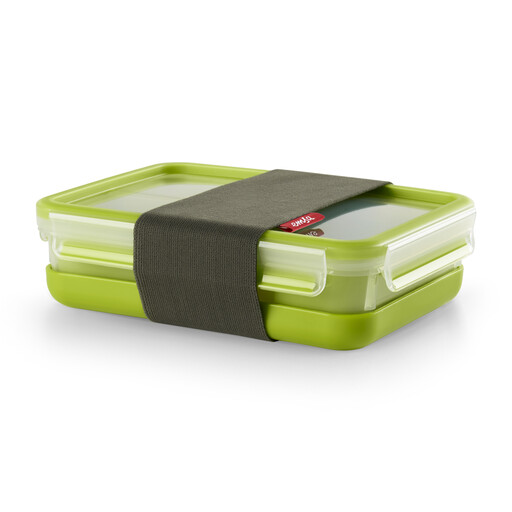
Why This Fits Their Persona: Ideal for users who pack varied meals daily. The three separate inserts and the additional plate allow you to keep wet and dry components like yogurt and granola or salad and dressing separate until it's time to eat.
The freshness seal developed by Emsa is fused to the lid and closes without any gaps, which bypasses the "leak-proof" trap. The plastic is rated for a temperature range of -40°C to +110°C, resisting material fatigue in the dishwasher and microwave.
High modularity thanks to inserts and a plate. Being made in Germany is an indicator of quality standards. The seal is certified leak-proof.
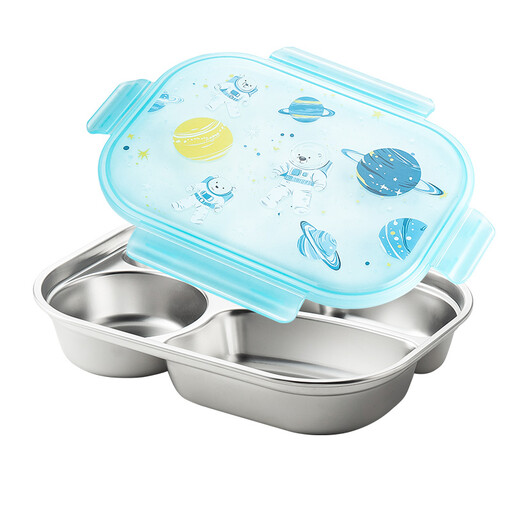
Why This Fits Their Persona: Perfect for professionals and commuters looking for an extremely durable, hygienic, and odor-neutral solution. Ideal for meals eaten cold or at room temperature, such as salads, sandwiches, and snacks.
Stainless steel is immune to material fatigue from heat or detergents and does not warp. It doesn't absorb odors or stains. The robust side clips ensure a permanently secure closure.
Made from 316 stainless steel, which offers higher corrosion resistance than the common 304 standard. The fixed compartments prevent food from shifting.
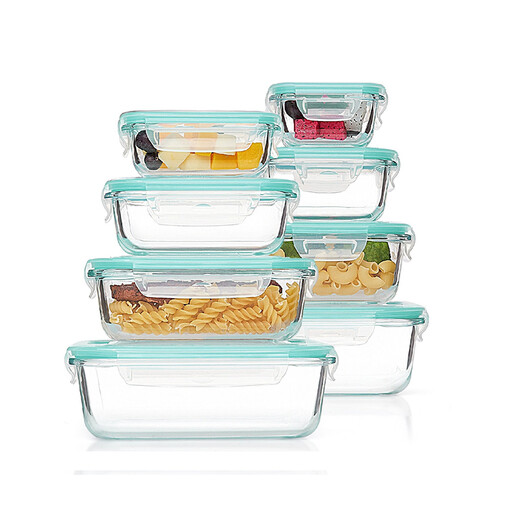
Why This Fits Their Persona: This set is the foundation for comprehensive meal prepping. Users can cook meals for several days, portion them into various sizes, freeze them, and reheat them directly in the microwave or oven (without the lid) when needed.
Borosilicate glass is extremely resistant to thermal shock and does not warp. It is the ultimate solution against material fatigue. The PP lids with silicone seals provide a reliable closure for storage and transport.
The 8-piece set offers sizes from 150 ml to 1040 ml for maximum flexibility. Glass is the most hygienic option as it is non-porous and does not absorb bacteria, odors, or stains.
We have compiled a complete, up-to-date list of products that fully meet these strict selection criteria.
No, metal should never be placed in a microwave under any circumstances. This can cause sparks and damage the appliance. Stainless steel boxes are excellent for transporting and storing cold or hot food, but not for reheating directly in the microwave.
For hygienic cleaning, the seal should be removed from the lid regularly, if possible. Clean both the seal and the groove in the lid with warm water and mild dish soap. It is important that both parts are completely dry before you reinsert the seal. This prevents the growth of mold and bacteria.
The term "leak-proof" usually refers to the main container being sealed against leaking to the outside. It does not always guarantee that liquids like salad dressing or sauces won't leak between the internal compartments. If this is a requirement, look for models where each compartment has its own seal in the lid, or use modular inserts with their own lids.