
Lieferung heute & morgen

Qualitätsgarantie

Willkommens-Angebote freischalten: KOSTENLOSE Lieferung | Bis zu 80 % RABATT | Kostenlose 30-Tage-JoyPlus-Testphase
App herunterladen
Dry skin, rough lengths or frizz can quickly lead to poor choices when shopping. Many products promise “intense moisture”, even though their true suitability only becomes clear from how they are used, their ingredients, pack size and the relevant skin or hair type. Moisture masks for face and hair also serve different purposes: a face mask usually stays on the skin for only a few minutes, while a hair mask is applied specifically to the lengths and ends.
Hyaluronic acid, glycerin, panthenol and plant oils are common ingredients in a moisturising face mask. Their position in the INCI list provides an indication of the formula, but does not replace an individual skin compatibility test. For sensitive skin, fragrances, essential oils and certain preservatives may be relevant.
The same applies to hair care: a rich formula is not suitable for every hair type. Fine hair can feel weighed down by large amounts of oils, silicones or butters. For dry, thick or chemically treated hair, a richer hair mask for dry hair may be better suited to its care needs.
A classic sheet mask is often used for 10 to 20 minutes according to the product instructions. A hydrogel mask can remain on the skin for considerably longer. However, this does not mean that every mask should be worn overnight. The instructions on the packaging and product page are what matter.
For hair masks, three to ten minutes may already be sufficient, depending on the product. A longer processing time does not automatically increase the conditioning effect and only makes sense if expressly recommended by the manufacturer.
A 10-pack of face masks or a 3-pack of hair masks can seem practical when calculated by the unit price. Before buying, however, you should check the shelf life, storage conditions and how often you are likely to use the products. Individual portions protect the formula after opening, while larger jars should be closed hygienically and the product removed with dry hands.
For dry or dehydrated skin, humectants such as glycerin and hyaluronic acid are typical ingredients. A hyaluronic mask may contain different forms of hyaluronic acid, which can appear in the INCI list as Sodium Hyaluronate or Hydrolyzed Hyaluronic Acid, for example. Ceramides, panthenol and skin-conditioning lipids can also be useful for supporting the skin barrier. However, a ceramide mask is not automatically free from fragrances or other potentially relevant ingredients.
For dry or damaged hair, shoppers should distinguish between a rinse-off mask and a leave-in hair mask. Rinse-off products are applied to the lengths and ends after shampooing. Leave-in products remain in the hair and should be used sparingly so that the hair does not feel unnecessarily heavy.
With a sheet mask, the material, cut-outs and shape affect how it feels and fits during use. Cellulose or fibre masks can sit differently against the contours of the face. A hydrogel mask usually adheres more closely, but it should still not be used on damaged or irritated skin.
It is also important to check the processing time, fragrance information and warnings. If you have sensitive skin, a patch test on a small area is recommended. If you experience burning, redness or swelling, wash off the product and stop using it. Cosmetic masks are not medical products and do not replace dermatological advice.
A hair mask should generally be applied to wet, gently squeezed-out hair. Depending on the product, the scalp should be avoided unless the manufacturer recommends otherwise. The amount used is particularly important for fine hair: a small quantity on the lengths and ends is often sufficient.
Those looking for Japanese hair care will find formulas containing squalane, plant oils, amino acid-based conditioning ingredients or silicones, for example. An argan oil hair mask may be suitable for dry and frizzy lengths, while lightweight water treatments can be more practical for fine hair.
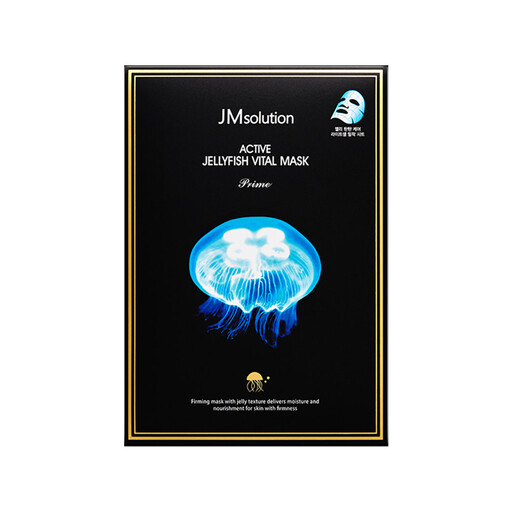
Why this product suits the profile: Ten individually packaged sheet masks make it easy to apply a measured amount without having a large supply of opened products.
The stated processing time of 10–20 minutes helps prevent unnecessarily long applications. The ingredient list includes glycerin and several forms of hyaluronic acid.
10 individual masks, made in South Korea, clear application steps and labelled safety information.
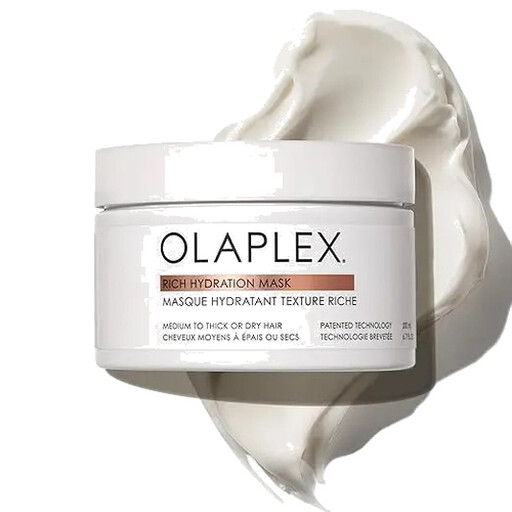
Why this product suits the profile: The formula contains avocado oil, shea butter, glycerin and Bis-Aminopropyl Diglycol Dimaleate, among other ingredients, to care for dry to thick hair types.
The product information specifies a processing time of 3–5 minutes and recommends using it once a week instead of conditioner.
200 ml content, clearly defined application and detailed INCI list with conditioning oils and ingredients.
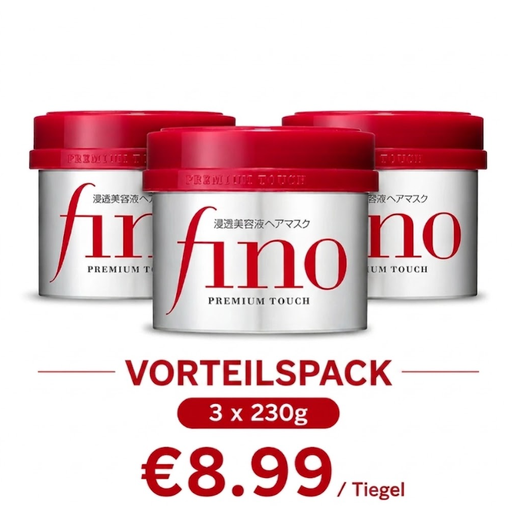
Why this product suits the profile: The 3-pack, containing 690 g in total, is aimed at people who regularly use a Japanese hair mask for dry or damaged lengths.
The quantity is clearly stated, making it easier to match the supply to your actual hair length and frequency of use.
Three jars containing 230 g each, use after shampooing, with a focus on the lengths and ends.
We have compiled a complete, regularly updated list of products that fully meet these strict selection criteria and the safety regulations applicable in the EU.
This depends on the formula and the condition of your skin. Many sheet masks are used once or twice a week. The instructions provided by the respective manufacturer remain the most important guide. If you have sensitive skin, test a small amount or use the product for a short time initially.
Depending on the product, typical processing times are around three to ten minutes. A leave-in hair mask, on the other hand, is not rinsed out. If you use a hair mask for damaged hair, follow the stated time and rinse the product out thoroughly if it is a rinse-off formula.
A multipack can be worthwhile if you use the masks regularly and finish the individual sachets within the stated shelf life. For occasional use, a smaller pack or single mask is often easier to plan. The key factors are the contents, price per application, storage and your personal skin compatibility.