
Lieferung heute & morgen

Qualitätsgarantie

Willkommens-Angebote freischalten: KOSTENLOSE Lieferung | Bis zu 80 % RABATT | Kostenlose 30-Tage-JoyPlus-Testphase
App herunterladen
A moisturiser can help care for dry, tight or dehydrated skin as part of your daily routine. There’s plenty of choice, from lightweight face creams and ceramide creams to rich body lotions. But all that variety can make choosing the right product tricky: a cream for your face isn’t automatically suitable for your body, and a heavily promoted formula won’t necessarily suit sensitive skin.
Terms such as ‘intense hydration’, ‘barrier protection’ and ‘glow’ often describe the desired effect, but not the actual formulation. The full INCI list on the packaging is what matters. It shows whether ingredients such as glycerin, hyaluronic acid, panthenol, ceramides or plant oils are included.
Claims such as ‘for sensitive skin’ should also be considered in context. Sensitive skin may react to fragrances, essential oils, certain preservatives or a range of plant extracts. A fragrance-free moisturiser can help you avoid one common trigger, but it can’t guarantee that a product will suit you personally.
Dry skin often benefits from a cream with nourishing lipids and a protective consistency. If you have combination skin or skin prone to blemishes, a lightweight gel-cream may feel more comfortable. A texture that’s too rich won’t necessarily cause blemishes, but it may feel sticky or heavy.
For your face, lightweight to medium-weight formulas are often a good choice. For your shins, hands, elbows or knees, a richer moisturiser may be more suitable. A body lotion is usually thinner and easy to spread over larger areas after a shower.
A 30 ml pot is handy for trying out a product or taking it with you, but it won’t go far if you use it daily all over your body. Face creams typically come in sizes of 50 to 100 ml. For a body lotion, 400 to 500 ml may work out better value, especially if you use it every day.
Check the packaging, too: pump bottles make it quick and easy to dispense the product, while pots need to be opened with your fingers each time. For baby products, an adult should apply the cream and keep it out of children’s reach.
Humectants such as glycerin, Sodium PCA and hyaluronic acid bind water in the upper layers of the skin. A moisturiser with hyaluronic acid may therefore be worth considering if your skin looks dehydrated. However, it doesn’t replace choosing a suitable skincare routine, and it isn’t proof of a medical effect.
Ceramides, cholesterol and certain lipids are often used in formulas designed to care for the skin barrier. A ceramide cream may be a good choice if your dry skin feels tight after cleansing. Panthenol, allantoin and beta-glucan are often used in soothing skincare.
Cosmetic products sold in Germany must provide information including the ingredients, the responsible person and directions for use. Check the current packaging before you buy, as formulas can change. Products from abroad may have different names and product information from those shown in German listings.
Test a new cream on a small area of skin first. Stop using it if you experience redness, itching, swelling or a burning sensation. Don’t apply it to broken or severely irritated skin. If symptoms persist, seek medical advice.
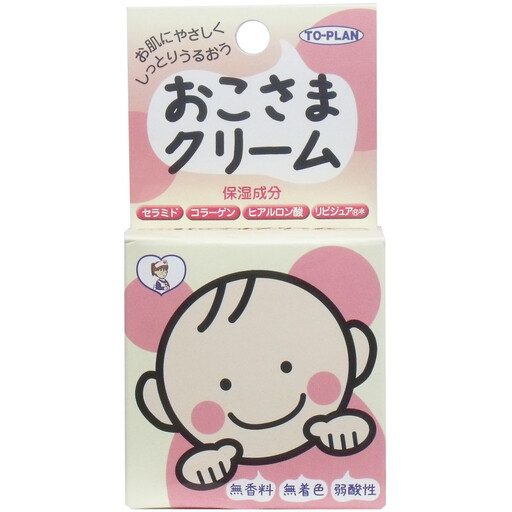
Why this product suits this profile: The compact 30 g size is handy for trying it out, taking it on trips, or using on your face and smaller dry patches on your body.
The product description specifies a mildly acidic formula free from fragrance and colourants, with three types of ceramide and hyaluronic acid.
30 g; designed for the face and body; contains Ceramide NP, AP and EOP according to the product information.
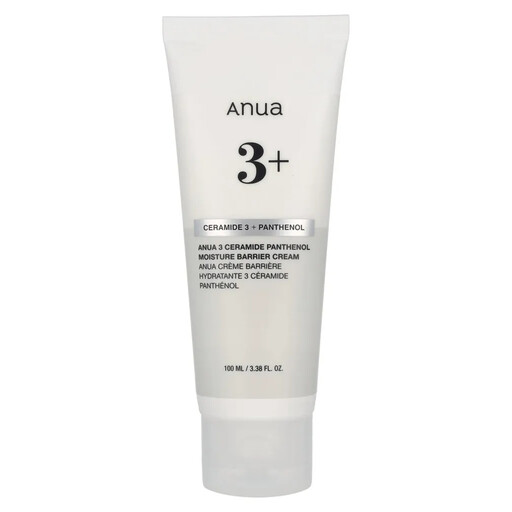
Why this product suits this profile: This Korean skincare product is aimed at anyone looking for a face cream with ceramides and panthenol that won’t leave a sticky feel.
The choice is based on specific named ingredients rather than vague claims. Check the INCI list against the packaging before buying.
100 ml; three types of ceramide listed; panthenol, hyaluronic acid and Centella asiatica extract in the product list.
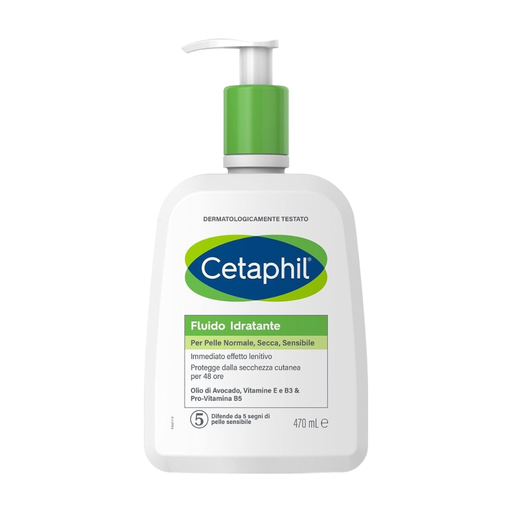
Why this product suits this profile: The large pump bottle is designed for regular full-body use after showering or bathing.
Rather than a small face cream, this is a product specifically described as a body lotion or fluid. Its fragrance-free, lanolin-free formula is suited to a simple skincare routine.
470 ml; pump bottle; glycerin, shea butter and panthenol according to the product information.
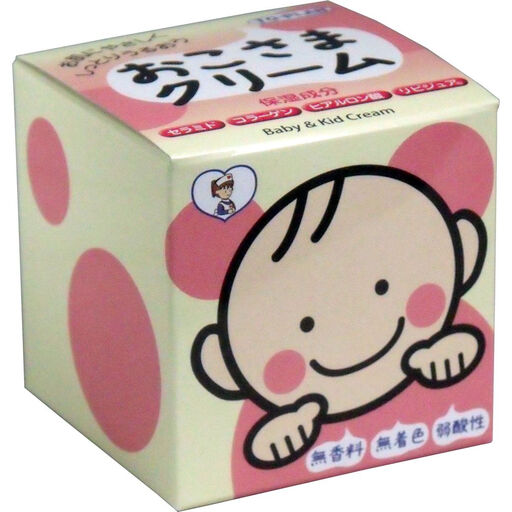
Why this product suits this profile: The 110 g size is designed for use on both the face and body, making it a versatile option for family households.
The product description specifies a formula free from fragrance and colourants. For young children, follow the directions for use and ensure an adult supervises application.
110 g; for face and body; contains three ceramides, glycerin and Sodium Hyaluronate according to the product list.
We’ve put together a complete, regularly updated list of products that meet these strict selection criteria and fully comply with the safety regulations in force in the EU.
It depends on your skin type, the product and your routine. Many face creams are applied to cleansed skin in the morning and evening. Body lotion is particularly handy after a shower or bath. If you have dry skin, applying it to specific areas more often may help.
Check the best-before date or the period-after-opening symbol, which may display ‘12M’, for example. Close the product after each use and store it somewhere cool and dry, away from direct sunlight. If its smell, colour or consistency changes, stop using the cream.
Choose a face cream for sensitive skin that suits your individual needs. A fragrance-free formula with a manageable INCI list can make it easier to find the right product. Test new products on a small area first and stop using them if you have a reaction. For recurring or severe skin problems, skincare products are no substitute for advice from a dermatologist.